Understanding Bitcoin ATM Limits: A Complete Guide for Secure and Efficient Transactions
Understanding Bitcoin ATM Limits: A Complete Guide for Secure and Efficient Transactions
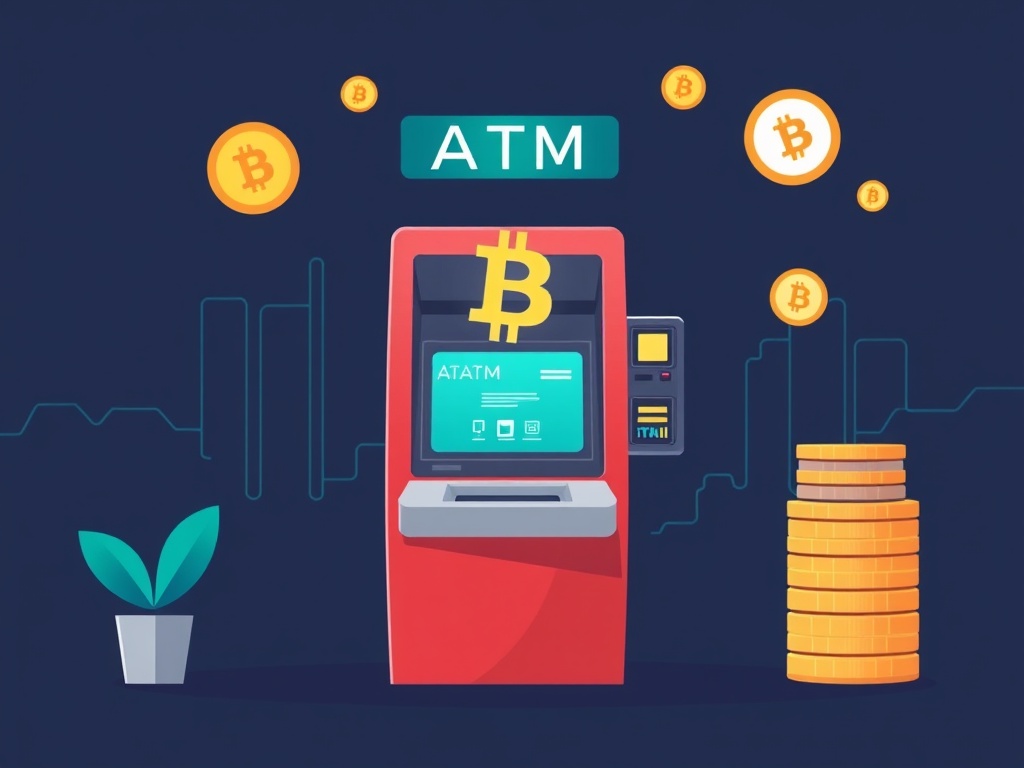
Bitcoin ATMs have revolutionized the way individuals buy and sell cryptocurrency, offering a convenient bridge between digital assets and fiat currency. However, one of the most frequently asked questions by users revolves around bitcoin ATM limits. These limits can vary significantly depending on several factors, including location, operator policies, and regulatory requirements. In this comprehensive guide, we will explore everything you need to know about bitcoin ATM limits, how they work, and how to navigate them effectively.
Whether you're a first-time user or a seasoned investor, understanding these constraints is crucial for planning your transactions and avoiding unexpected hurdles. From daily withdrawal caps to identity verification thresholds, bitcoin ATM limits play a pivotal role in shaping your crypto experience. Let’s dive deep into the intricacies of these limits and empower you to make informed decisions.
What Are Bitcoin ATM Limits and Why Do They Exist?
Bitcoin ATM limits refer to the maximum amount of cryptocurrency or fiat currency that can be bought or sold within a specific time frame at a given ATM. These limits are not arbitrary; they are implemented for several important reasons:
- Regulatory Compliance: Governments and financial authorities impose these limits to prevent money laundering, fraud, and other illicit activities. By capping transaction amounts, regulators can monitor and track suspicious behavior more effectively.
- Security Measures: Bitcoin ATMs are physical machines that can be vulnerable to theft or tampering. Limits help reduce the risk of large-scale losses in the event of a security breach.
- Operational Constraints: ATMs have technical and financial constraints, such as cash availability and processing capacity. Limits ensure smooth operation and prevent system overloads.
- User Protection: For new users, large transactions can be intimidating. Limits provide a safer entry point, allowing individuals to familiarize themselves with the process before committing larger sums.
It’s important to note that bitcoin ATM limits are not uniform across all machines. They can differ based on the operator, country, and even the specific ATM model. For instance, a Bitcoin ATM in a high-traffic urban area may have higher limits compared to one in a rural location. Additionally, operators may adjust limits based on local regulations or their own risk assessment policies.
Types of Bitcoin ATM Limits
Bitcoin ATMs typically impose two primary types of limits: transaction limits and daily limits. Understanding the distinction between these can help you plan your transactions accordingly.
Transaction Limits: These are the maximum amounts you can buy or sell in a single transaction. For example, you might be allowed to purchase up to $10,000 worth of Bitcoin in one go, but no more. These limits are often lower for new users and increase as you complete more transactions or verify your identity.
Daily Limits: These refer to the cumulative amount you can transact within a 24-hour period. For instance, even if your per-transaction limit is $10,000, your daily limit might be $20,000. Once you reach this threshold, you’ll need to wait until the next day to make additional transactions.
Some ATMs also impose weekly or monthly limits, particularly for users who have completed identity verification. These extended limits are designed to accommodate high-volume traders while still adhering to regulatory standards.
How Bitcoin ATM Limits Vary by Location and Operator
The variability of bitcoin ATM limits is one of the most challenging aspects for users to navigate. Unlike traditional banks, which often have standardized policies, Bitcoin ATMs are operated by independent companies that set their own rules. This section explores the key factors that influence these limits.
Regional Regulations and Legal Frameworks
One of the most significant factors affecting bitcoin ATM limits is the regulatory environment of the country or state where the ATM is located. Different jurisdictions have varying requirements for cryptocurrency transactions, which directly impact the limits imposed by ATM operators.
For example:
- United States: In the U.S., Bitcoin ATMs are subject to the Bank Secrecy Act (BSA) and must comply with Anti-Money Laundering (AML) regulations. Operators are required to implement Know Your Customer (KYC) procedures for transactions above certain thresholds, typically $900 or more. As a result, bitcoin ATM limits in the U.S. often start low for unverified users and increase significantly after identity verification.
- European Union: Under the Fifth Anti-Money Laundering Directive (5AMLD), cryptocurrency service providers, including Bitcoin ATMs, must conduct enhanced due diligence for transactions exceeding €1,000. This means that bitcoin ATM limits in the EU are often lower for unverified users, with higher limits available after completing KYC processes.
- Canada: Canadian Bitcoin ATMs are regulated by the Financial Transactions and Reports Analysis Centre of Canada (FINTRAC). Operators must report transactions over CAD 10,000 and conduct KYC for amounts above CAD 3,000. Consequently, bitcoin ATM limits in Canada are tiered based on verification levels.
- Other Regions: In countries with less stringent regulations, such as some parts of Southeast Asia or Latin America, bitcoin ATM limits may be higher for unverified users. However, this also comes with increased risks, as regulatory oversight is often minimal.
It’s essential to research the specific regulations in your region before using a Bitcoin ATM to ensure you understand the applicable bitcoin ATM limits.
Operator-Specific Policies
Beyond regional regulations, the policies of individual Bitcoin ATM operators play a crucial role in determining bitcoin ATM limits. Some operators are more lenient, while others impose stricter controls to mitigate risk. Here are some common operator-specific factors that influence limits:
- Brand and Network: Established operators like CoinFlip, Bitcoin Depot, and Coinme have standardized policies across their networks. For example, CoinFlip ATMs often have a daily limit of $25,000 for verified users, while Bitcoin Depot may allow up to $50,000 per day after completing KYC.
- ATM Model and Location: High-end Bitcoin ATMs, such as those from Genesis Coin or General Bytes, often support higher transaction limits due to their advanced hardware and software capabilities. Additionally, ATMs located in secure, high-traffic areas (e.g., shopping malls or financial districts) may have higher limits compared to those in less secure locations.
- Risk Assessment: Operators may adjust bitcoin ATM limits based on perceived risk. For instance, an ATM in a high-crime area might have lower limits to reduce the risk of theft or fraud. Similarly, operators may lower limits for new users until they establish a transaction history.
- Partnerships and Integrations: Some Bitcoin ATMs are integrated with cryptocurrency exchanges or payment processors, which can influence their limits. For example, an ATM partnered with a major exchange might offer higher limits due to the exchange’s liquidity and compliance infrastructure.
To find the best bitcoin ATM limits for your needs, it’s advisable to compare operators in your area and check their official websites or customer support for detailed information.
How to Increase Your Bitcoin ATM Limits
If you frequently use Bitcoin ATMs and find the default limits restrictive, there are several strategies you can employ to increase your bitcoin ATM limits. These methods typically involve completing identity verification, building a transaction history, or upgrading your account status. Below, we outline the most effective ways to expand your limits.
Complete Identity Verification (KYC)
The most straightforward way to increase your bitcoin ATM limits is to complete the Know Your Customer (KYC) process. Most operators require users to provide personal identification, such as a government-issued ID, proof of address, and sometimes a selfie or biometric scan. Once verified, your limits can increase significantly.
For example:
- Basic Verification: Providing a phone number and email address may increase your daily limit from $900 to $5,000.
- Full KYC: Submitting a government ID, proof of address, and undergoing a facial recognition scan can raise your daily limit to $25,000 or more, depending on the operator.
- Enhanced Due Diligence: For very high limits (e.g., $50,000+ per day), operators may require additional documentation, such as a bank statement or a letter of source of funds.
It’s important to note that KYC requirements vary by operator and region. Some ATMs may not offer verification at all, while others may have strict policies. Always check the operator’s guidelines before attempting to increase your limits.
Build a Transaction History
Even without completing full KYC, you can gradually increase your bitcoin ATM limits by building a positive transaction history. Operators often monitor user behavior and may automatically raise limits for users who consistently transact within the existing constraints.
Here’s how you can build your transaction history:
- Start Small: Begin with small transactions to establish trust with the operator. For example, make a few purchases of $100 or less to demonstrate responsible behavior.
- Use the Same ATM: Operators may prioritize users who consistently use their machines. By returning to the same ATM, you signal reliability and may be rewarded with higher limits over time.
- Complete Multiple Transactions: Some operators increase limits after a certain number of successful transactions. For instance, your limit might double after completing 5 transactions within a month.
- Monitor Your Account: Keep track of your transaction history and limits. If you notice an increase, it may be due to your activity rather than a policy change.
While this method is less immediate than KYC, it can be a viable option for users who prefer to avoid sharing personal information.
Upgrade to a Premium Account
Some Bitcoin ATM operators offer premium accounts or loyalty programs that come with higher bitcoin ATM limits and additional benefits. These programs are typically designed for frequent users or high-net-worth individuals who require larger transaction capacities.
Examples of premium account features include:
- Higher Daily and Monthly Limits: Premium accounts may offer daily limits of $50,000 or more, compared to $10,000 for standard accounts.
- Lower Fees: Operators may reduce transaction fees for premium users, making it more cost-effective to transact large amounts.
- Priority Customer Support: Premium users often receive dedicated support, including faster resolution of issues and personalized assistance.
- Access to Advanced Features: Some operators provide additional services, such as the ability to schedule recurring transactions or access exclusive ATMs with higher limits.
To qualify for a premium account, you may need to meet certain criteria, such as a minimum transaction volume or a one-time fee. Check with your operator to see if they offer such programs and what the requirements are.
Common Challenges with Bitcoin ATM Limits and How to Overcome Them
While bitcoin ATM limits are designed to protect users and comply with regulations, they can also pose challenges, particularly for users who need to transact large amounts or prefer anonymity. Below, we address some of the most common issues and provide practical solutions.
Challenge 1: Low Limits for Unverified Users
One of the biggest frustrations for new Bitcoin ATM users is the low limits imposed on unverified accounts. For example, you might only be allowed to purchase $300 worth of Bitcoin per day without completing KYC. This can be particularly inconvenient if you need to buy a larger amount quickly.
Solutions:
- Complete KYC: As discussed earlier, completing identity verification is the most reliable way to increase your limits. While it requires sharing personal information, it’s often a one-time process that unlocks much higher transaction capacities.
- Use Multiple ATMs: If you’re unable to complete KYC or prefer not to, consider using multiple Bitcoin ATMs in your area. By spreading your transactions across different machines, you can bypass individual limits. However, be mindful of operator policies, as some may flag frequent transactions from the same user.
- Plan Ahead: If you know you’ll need to transact a large amount, plan your purchases over several days or weeks to stay within the limits. For example, if your daily limit is $300, you can buy $2,100 worth of Bitcoin in a week.
Challenge 2: Geographic Restrictions
Another common issue is geographic restrictions, where bitcoin ATM limits are lower in certain areas due to regulatory or operational constraints. For instance, an ATM in a rural location might have a daily limit of $1,000, while one in a major city could allow up to $25,000.
Solutions:
- Travel to High-Limit ATMs: If you need to transact a large amount, consider traveling to a nearby city or area with higher bitcoin ATM limits. Use online directories like CoinATMRadar to find ATMs with the limits you need.
- Use Online Exchanges: While Bitcoin ATMs offer convenience, online exchanges often have higher limits and lower fees for large transactions. If you’re comfortable with the process, transferring funds from an exchange to your wallet via an ATM might be a viable alternative.
- Contact the Operator: In some cases, operators may make exceptions for users who need higher limits due to special circumstances (e.g., business needs). Reach out to the operator’s customer support to inquire about temporary limit increases.
Challenge 3: Unexpected Limit Reductions
Occasionally, users may experience sudden reductions in their bitcoin ATM limits without explanation. This can happen due to changes in operator policies, regulatory updates, or suspicious activity flags on your account.
Solutions:
- Check for Updates: Operators may announce limit changes on their websites or through email notifications. Regularly check for updates to stay informed about any adjustments to your limits.
- Contact Support: If your limits are reduced without notice, contact the operator’s customer support for clarification. They may be able to reinstate your previous limits or provide guidance on how to regain access to higher limits.
- Monitor Your Account: Keep an eye on your transaction history and limits. If you notice a sudden change, investigate the cause immediately to avoid disruptions in your ability to transact.
Best Practices for Using Bitcoin ATMs Within Their Limits
Navigating bitcoin ATM limits can be challenging, but with the right strategies, you can maximize your transaction efficiency while staying compliant with regulations. Below are some best practices to help you use Bitcoin ATMs effectively within their constraints.
Plan Your Transactions in Advance
One of the most effective ways to work around bitcoin ATM limits is to plan your transactions in advance. This involves calculating the total amount you need to transact and breaking it down into manageable chunks that fit within the ATM’s limits.
For example:
- If you need to purchase $5,000 worth of Bitcoin and your daily limit is $1,000, plan to make the transaction over 5 days.
- If you’re selling Bitcoin and your daily limit is $2,000, calculate how much you need to sell and spread it over multiple days if necessary.
- Use a spreadsheet or calendar to track your transactions and ensure you stay within the limits.
Planning ahead also allows you to take advantage of favorable market conditions. If the price of Bitcoin drops, you can execute your planned purchases over several days to average out your cost.
Use Multiple ATMs Strategically
If you need to transact larger amounts than a single ATM’s limits allow, consider using multiple Bitcoin ATMs in your area. This strategy can help you bypass individual limits while keeping your transactions within regulatory guidelines.
Here’s how to use multiple ATMs effectively:
- Choose ATMs with Compatible Limits: Select ATMs with limits that complement each other. For example, if one ATM has a daily limit of $1,000 and another has a limit of $2,000, you can combine them to transact $3,000 in a day.
- Space Out Transactions: Avoid making multiple transactions in quick succession from different ATMs as this may trigger fraud
 James RichardsonSenior Crypto Market Analyst
Understanding Bitcoin ATM Limits: Balancing Accessibility and Compliance in Digital Asset Transactions
As a Senior Crypto Market Analyst with over a decade of experience in digital asset markets, I’ve observed that Bitcoin ATM limits serve as a critical interface between user accessibility and regulatory compliance. These limits, typically ranging from $1,000 to $25,000 per transaction depending on jurisdiction and operator, are not arbitrary—they reflect a deliberate balance between fostering financial inclusion and mitigating risks such as money laundering and fraud. From a market perspective, these caps directly influence liquidity and adoption rates, particularly in regions where traditional banking infrastructure is weak. However, they also introduce friction for high-net-worth individuals or institutional players seeking to deploy capital quickly. The challenge for operators lies in calibrating these thresholds to align with both local AML (Anti-Money Laundering) regulations and the evolving demands of a global user base.
Practically speaking, Bitcoin ATM limits are not static; they are dynamic tools that adapt to regulatory shifts, technological advancements, and market conditions. For instance, operators in jurisdictions with stringent KYC (Know Your Customer) requirements may enforce lower limits to reduce compliance overhead, while those in more permissive markets might offer higher caps to attract institutional flows. My analysis suggests that the most successful operators are those who leverage real-time identity verification systems and tiered verification models to dynamically adjust limits based on user behavior and risk profiles. This approach not only enhances security but also positions Bitcoin ATMs as a viable alternative to traditional on-ramps for digital assets. Ultimately, the future of Bitcoin ATM limits will hinge on the industry’s ability to harmonize innovation with regulatory rigor, ensuring that accessibility does not come at the expense of systemic integrity.