Understanding Encrypted Cloud Storage: Secure Your Data in the Digital Age
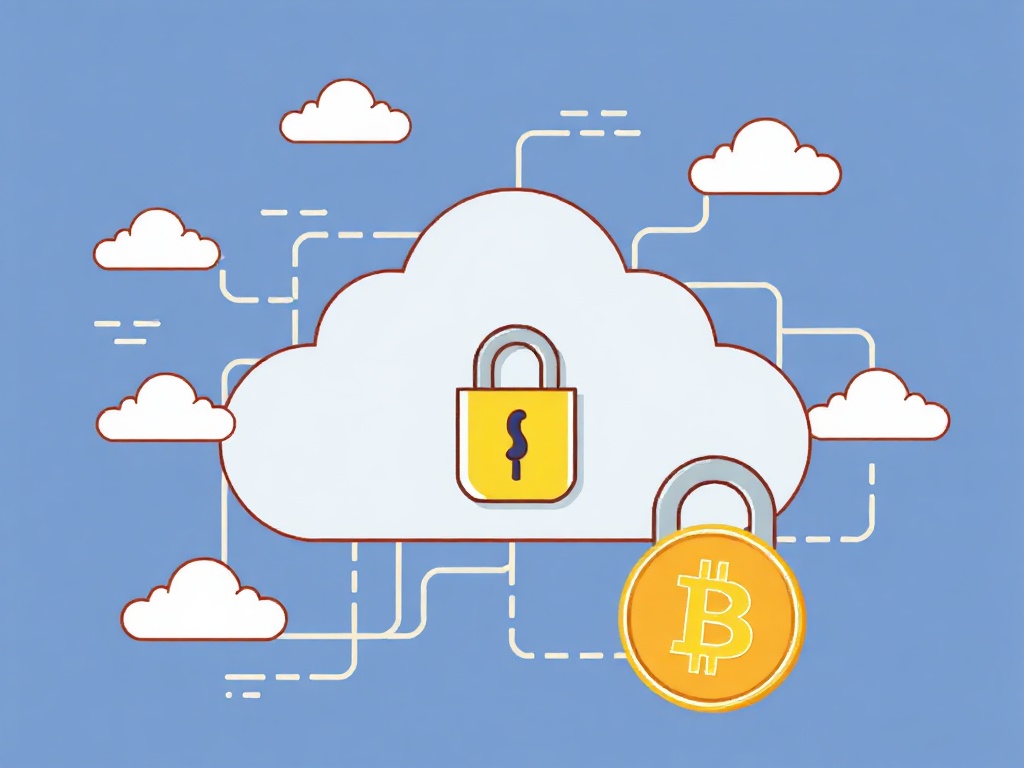
Understanding Encrypted Cloud Storage: Secure Your Data in the Digital Age
In an era where data breaches and cyber threats are becoming increasingly common, encrypted cloud storage has emerged as a critical solution for individuals and businesses alike. Whether you're storing sensitive financial documents, personal photos, or confidential business files, ensuring that your data remains secure and private is paramount. Encrypted cloud storage not only protects your information from unauthorized access but also provides peace of mind knowing that your data is safeguarded against potential cyberattacks.
This comprehensive guide explores the ins and outs of encrypted cloud storage, including how it works, its benefits, top providers, and best practices for implementation. By the end of this article, you'll have a clear understanding of why encrypted cloud storage is an essential tool for modern data security.
The Importance of Data Security in the Digital Age
Data security has become one of the most pressing concerns for individuals and organizations in today's interconnected world. With cybercriminals constantly devising new ways to exploit vulnerabilities, the need for robust security measures has never been greater. Traditional cloud storage services, while convenient, often lack the necessary encryption protocols to fully protect sensitive information.
This is where encrypted cloud storage comes into play. Unlike conventional cloud storage solutions, encrypted cloud storage employs advanced encryption algorithms to scramble your data, making it unreadable to anyone without the proper decryption key. This ensures that even if your data is intercepted or accessed by unauthorized parties, it remains secure and unusable.
Common Threats to Data Security
- Data Breaches: Unauthorized access to sensitive information, often resulting in identity theft or financial loss.
- Man-in-the-Middle Attacks: Cybercriminals intercept data transmissions between your device and the cloud server.
- Insider Threats: Employees or third-party vendors with access to your data may misuse or leak it.
- Malware and Ransomware: Malicious software that encrypts your data and demands payment for its release.
- Phishing Attacks: Deceptive emails or messages designed to trick users into revealing login credentials.
By utilizing encrypted cloud storage, you can mitigate these risks and ensure that your data remains protected at all times.
Why Traditional Cloud Storage Falls Short
Many popular cloud storage providers offer basic encryption, but it's often not enough to fully secure your data. Here are some limitations of traditional cloud storage:
- Server-Side Encryption Only: Data is encrypted while stored on the provider's servers but may be decrypted during transmission or when accessed by the provider.
- Lack of End-to-End Encryption: Your data may be decrypted before reaching the cloud server, leaving it vulnerable during transit.
- Limited Control Over Encryption Keys: Some providers retain control over encryption keys, meaning they can access your data if compelled by legal authorities.
- Vulnerability to Insider Threats: Employees of the cloud provider may have access to your unencrypted data.
Encrypted cloud storage addresses these issues by providing end-to-end encryption, ensuring that your data remains secure from the moment it leaves your device until it reaches the cloud server and beyond.
How Encrypted Cloud Storage Works
Encrypted cloud storage leverages advanced encryption techniques to protect your data. Understanding how it works can help you make informed decisions when choosing a provider and implementing security measures. Below, we break down the process into simple, digestible steps.
The Encryption Process
Encryption is the process of converting plaintext data into ciphertext, which is unreadable without the correct decryption key. Encrypted cloud storage typically uses two main types of encryption: symmetric and asymmetric.
Symmetric Encryption
In symmetric encryption, the same key is used for both encryption and decryption. This method is fast and efficient, making it ideal for encrypting large amounts of data. However, the challenge lies in securely sharing the encryption key with authorized users.
- Algorithm Examples: AES (Advanced Encryption Standard), Blowfish, and ChaCha20.
- Use Case: Encrypting files before uploading them to the cloud.
Asymmetric Encryption
Asymmetric encryption, also known as public-key cryptography, uses a pair of keys: a public key for encryption and a private key for decryption. This method is more secure for key exchange and digital signatures but is computationally intensive.
- Algorithm Examples: RSA, ECC (Elliptic Curve Cryptography), and PGP (Pretty Good Privacy).
- Use Case: Securely sharing encryption keys or authenticating users.
End-to-End Encryption: The Gold Standard
End-to-end encryption (E2EE) is a security measure where data is encrypted on the user's device and remains encrypted until it reaches the intended recipient. In the context of encrypted cloud storage, E2EE ensures that your data is never decrypted on the cloud server, providing an additional layer of security.
Here’s how E2EE works in encrypted cloud storage:
- Data Encryption: Your files are encrypted on your device using a unique encryption key.
- Secure Transmission: The encrypted data is transmitted to the cloud server over a secure connection (e.g., HTTPS).
- Storage: The encrypted data is stored on the cloud server in its ciphertext form.
- Access and Decryption: When you or an authorized user requests access to the data, it is decrypted only on your device using the corresponding decryption key.
This process ensures that even if the cloud server is compromised, the encrypted data remains secure and inaccessible to unauthorized parties.
Zero-Knowledge Architecture: Privacy by Design
Zero-knowledge architecture is a security model where the cloud storage provider has no knowledge of your encryption keys or the content of your data. This means that the provider cannot access your files, even if compelled by legal authorities. Encrypted cloud storage providers that implement zero-knowledge architecture prioritize user privacy and data security above all else.
Key features of zero-knowledge architecture include:
- Client-Side Encryption: Data is encrypted on your device before being uploaded to the cloud.
- No Access to Encryption Keys: The provider does not store or have access to your encryption keys.
- Secure Key Management: Encryption keys are stored securely on your device or in a hardware security module (HSM).
By adopting a zero-knowledge approach, encrypted cloud storage providers ensure that your data remains private and secure, even from their own employees.
Benefits of Using Encrypted Cloud Storage
Encrypted cloud storage offers a multitude of benefits that go beyond basic data security. From enhanced privacy to regulatory compliance, the advantages of using encrypted cloud storage are substantial. Below, we explore the key benefits in detail.
Enhanced Data Privacy and Security
The primary benefit of encrypted cloud storage is the enhanced privacy and security it provides. By encrypting your data before it leaves your device, you ensure that it remains unreadable to anyone without the proper decryption key. This protects your sensitive information from cybercriminals, hackers, and even the cloud provider itself.
Key security benefits include:
- Protection Against Data Breaches: Even if a hacker gains access to the cloud server, they cannot read your encrypted data without the decryption key.
- Secure File Sharing: Encrypted cloud storage allows you to share files securely with others, ensuring that only authorized recipients can access the data.
- Defense Against Insider Threats: Since the cloud provider cannot access your encrypted data, the risk of insider threats is significantly reduced.
Compliance with Data Protection Regulations
Many industries are subject to strict data protection regulations, such as the General Data Protection Regulation (GDPR) in the European Union, the Health Insurance Portability and Accountability Act (HIPAA) in the United States, and the Personal Information Protection and Electronic Documents Act (PIPEDA) in Canada. Encrypted cloud storage helps organizations comply with these regulations by ensuring that sensitive data is adequately protected.
Benefits of compliance include:
- Legal Protection: Avoid hefty fines and legal penalties associated with data breaches.
- Customer Trust: Demonstrating a commitment to data security builds trust with customers and stakeholders.
- Operational Continuity: Compliance with regulations ensures that your business operations remain uninterrupted.
Protection Against Ransomware and Malware
Ransomware and malware attacks are on the rise, with cybercriminals targeting individuals and businesses alike. These attacks often encrypt your data and demand payment for its release. Encrypted cloud storage can help mitigate the impact of such attacks by ensuring that your backups are secure and inaccessible to attackers.
How encrypted cloud storage protects against ransomware:
- Secure Backups: Encrypted backups ensure that even if your primary data is compromised, your backups remain secure.
- Immutable Storage: Some encrypted cloud storage providers offer immutable storage, which prevents data from being altered or deleted by ransomware.
- Versioning and Recovery: Many providers offer versioning features, allowing you to restore previous versions of your files in case of an attack.
Cost-Effective and Scalable Solution
Compared to traditional on-premises storage solutions, encrypted cloud storage is a cost-effective and scalable option for individuals and businesses. With cloud storage, you only pay for the storage space you need, and you can easily scale up or down as your requirements change.
Advantages of cost-effectiveness and scalability:
- No Upfront Costs: Eliminate the need for expensive hardware and infrastructure.
- Pay-as-You-Go Model: Pay only for the storage you use, reducing operational costs.
- Easy Scalability: Quickly adjust your storage capacity to accommodate growing data needs.
Cross-Platform Accessibility and Collaboration
Encrypted cloud storage provides seamless access to your data from any device with an internet connection. This makes it an ideal solution for remote work, collaboration, and file sharing.
Benefits of cross-platform accessibility:
- Device Agnostic: Access your data from desktops, laptops, tablets, and smartphones.
- Real-Time Collaboration: Share and collaborate on files with colleagues or clients in real time.
- Version Control: Track changes and restore previous versions of files to avoid conflicts.
Top Encrypted Cloud Storage Providers in 2024
With the growing demand for secure cloud storage solutions, numerous providers have emerged, each offering unique features and encryption protocols. Below, we review some of the top encrypted cloud storage providers in 2024, highlighting their key features, pros, and cons.
1. Proton Drive
Proton Drive is a privacy-focused cloud storage solution developed by the creators of ProtonMail, a popular encrypted email service. It offers end-to-end encryption, zero-knowledge architecture, and a user-friendly interface.
Key Features:
- End-to-end encryption for all files and folders.
- Zero-knowledge architecture ensures that Proton cannot access your data.
- Secure file sharing with password protection and expiration dates.
- Cross-platform compatibility (Windows, macOS, Linux, Android, iOS).
- Integrated with ProtonMail for seamless email and file management.
Pros:
- Strong focus on privacy and security.
- User-friendly interface with intuitive navigation.
- Affordable pricing plans for individuals and businesses.
Cons:
- Limited free storage (1 GB).
- No native desktop app for Linux (web-based only).
2. Tresorit
Tresorit is a highly secure cloud storage provider designed for businesses and professionals. It offers advanced encryption, secure collaboration tools, and compliance with industry standards.
Key Features:
- End-to-end encryption with AES-256 and RSA-4096 encryption.
- Zero-knowledge architecture ensures that Tresorit cannot access your data.
- Secure file sharing with granular access controls.
- Two-factor authentication (2FA) for enhanced security.
- Compliance with GDPR, HIPAA, and other regulatory standards.
Pros:
- Industry-leading encryption and security features.
- Excellent for businesses and teams requiring secure collaboration.
- User-friendly interface with robust file management tools.
Cons:
- Higher pricing compared to other providers.
- Limited free storage (10 GB).
3. Sync.com
Sync.com is a Canadian-based cloud storage provider known for its strong encryption, privacy features, and user-friendly interface. It offers both personal and business plans with a focus on security and compliance.
Key Features:
- End-to-end encryption with AES-256 encryption.
- Zero-knowledge architecture ensures that Sync.com cannot access your data.
- Secure file sharing with password protection and expiration dates.
- Two-factor authentication (2FA) and advanced sharing controls.
- Compliance with GDPR, PIPEDA, and other regulatory standards.
Pros:
- Strong focus on privacy and security.
- Affordable pricing plans with generous storage options.
- Excellent customer support and user experience.
Cons:
- No native Linux client (web-based only).
- Slower upload speeds compared to some competitors.
4. pCloud
pCloud is a versatile cloud storage provider that offers both encrypted and unencrypted storage options. It is known for its lifetime subscription plans, making it a cost-effective choice for long-term users.
Key Features:
- Optional client-side encryption with pCloud Crypto (additional cost).
- End-to-end encryption for files stored in the Crypto folder.
- Secure file sharing with password protection and expiration dates.
- Cross-platform compatibility (Windows, macOS, Linux, Android, iOS).
- Lifetime subscription plans available.
Pros:
- Affordable pricing with lifetime subscription options.
- User-friendly interface with robust file management tools.
- Strong focus on user experience and accessibility.
Cons:
- Client-side encryption is an add-on feature (additional cost).
- No zero-knowledge architecture by default (only for Crypto folder).
5. MEGA
MEGA is a New Zealand-based cloud storage provider founded by Kim Dotcom. It offers end-to-end encryption, zero-knowledge architecture, and a generous free storage plan.
Key Features:
- End-to-end encryption with AES-128 encryption.
- Zero-knowledge architecture ensures that MEGA cannot access your data.
- Secure file sharing with password protection and expiration dates.
- Cross-platform compatibility (Windows, macOS, Linux, Android, iOS).
- Generous free storage (20 GB).
Pros:

As a crypto investment advisor with over a decade of experience, I’ve seen firsthand how encrypted cloud storage has evolved from a niche security tool to a critical component of digital asset management. In an era where data breaches and regulatory scrutiny are escalating, encrypted cloud storage isn’t just an option—it’s a necessity for investors who prioritize both security and accessibility. The rise of decentralized finance (DeFi) and the increasing adoption of blockchain-based assets have amplified the need for robust storage solutions. Encrypted cloud storage provides a safeguard against unauthorized access, ensuring that private keys, transaction histories, and sensitive financial data remain protected from cyber threats. For institutional and retail investors alike, this technology offers peace of mind without sacrificing the convenience of cloud-based access.
From an investment perspective, encrypted cloud storage is more than a security measure; it’s a strategic asset. Companies like Meganubes are pioneering solutions that integrate encryption with user-friendly interfaces, making it easier for investors to manage their digital portfolios securely. However, not all encrypted cloud storage providers are created equal. Investors should prioritize platforms with end-to-end encryption, zero-knowledge architectures, and compliance with industry standards like SOC 2 or ISO 27001. Additionally, diversification remains key—avoid relying solely on a single provider. By combining encrypted cloud storage with hardware wallets and multi-signature solutions, investors can create a layered defense against potential risks. In the long run, those who adopt these practices will not only protect their assets but also position themselves for greater opportunities in the evolving crypto landscape.