Understanding the Anonymous Bitcoin ATM: Privacy, Security, and Usage Guide
Understanding the Anonymous Bitcoin ATM: Privacy, Security, and Usage Guide
The rise of cryptocurrencies has transformed the way we think about financial transactions, and anonymous Bitcoin ATMs have emerged as a pivotal tool for those seeking privacy in their digital dealings. Unlike traditional ATMs, these machines allow users to buy or sell Bitcoin without the need for extensive identity verification, making them an attractive option for privacy-conscious individuals. In this comprehensive guide, we will explore what an anonymous Bitcoin ATM is, how it works, its benefits and risks, and how to use one safely and effectively.
The Basics of Anonymous Bitcoin ATMs
What Is an Anonymous Bitcoin ATM?
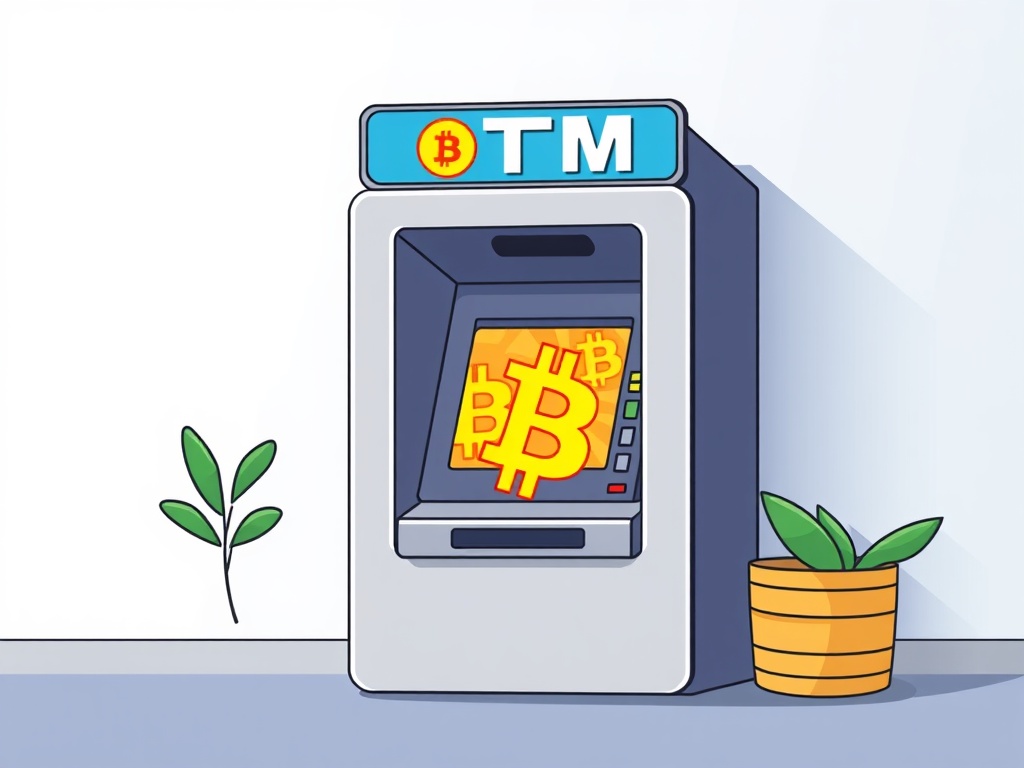
An anonymous Bitcoin ATM is a specialized kiosk that enables users to purchase or sell Bitcoin without requiring extensive personal information. Unlike conventional Bitcoin ATMs that may ask for government-issued IDs, phone numbers, or even facial recognition, these machines prioritize user anonymity. They typically operate on a cash-in, crypto-out or crypto-in, cash-out basis, allowing users to exchange physical cash for Bitcoin or vice versa with minimal oversight.
How Does It Differ From Traditional Bitcoin ATMs?
Traditional Bitcoin ATMs often fall under regulatory frameworks that mandate Know Your Customer (KYC) and Anti-Money Laundering (AML) compliance. This means users must provide identification, undergo verification, and sometimes link their transactions to bank accounts. In contrast, an anonymous Bitcoin ATM bypasses these requirements, offering a more discreet way to engage with cryptocurrency. However, this lack of regulation also introduces certain risks, which we will discuss later.
Where Are Anonymous Bitcoin ATMs Located?
These machines are commonly found in high-traffic areas such as:
- Shopping malls and retail centers
- Gas stations and convenience stores
- Airports and transit hubs
- Universities and college campuses
- Independent crypto-friendly businesses
Some operators also deploy mobile or pop-up anonymous Bitcoin ATMs at events or in areas with limited access to traditional banking infrastructure.
The Benefits of Using an Anonymous Bitcoin ATM
Enhanced Privacy and Anonymity
One of the most compelling reasons to use an anonymous Bitcoin ATM is the preservation of privacy. For individuals concerned about financial surveillance, data breaches, or third-party tracking, these machines offer a way to transact without leaving a digital footprint. Since no personal information is required, transactions remain pseudonymous, aligning with the core principles of Bitcoin’s decentralized ethos.
Speed and Convenience
Unlike online exchanges that may require days for verification or bank transfers, an anonymous Bitcoin ATM provides instant transactions. Users can walk up, insert cash, and receive Bitcoin in their wallet within minutes. This speed is particularly advantageous for those needing quick access to cryptocurrency without the hassle of traditional financial systems.
Accessibility for the Unbanked
In regions where banking services are limited or inaccessible, anonymous Bitcoin ATMs serve as a lifeline. They allow individuals without bank accounts to participate in the digital economy, receive remittances, or store value in a decentralized asset. This inclusivity is a significant advantage over traditional financial institutions that often exclude marginalized populations.
Reduced Risk of Account Freezes or Seizures
Centralized exchanges are subject to regulatory actions, account freezes, or asset seizures. By using an anonymous Bitcoin ATM, users avoid these risks entirely. Since transactions are peer-to-peer and not tied to a bank or exchange account, funds are less vulnerable to external interference.
Potential Risks and Challenges
Regulatory Scrutiny and Legal Gray Areas
While anonymity is a major draw, it also places users in a legal gray area. Some jurisdictions have cracked down on unregulated anonymous Bitcoin ATMs, citing concerns over money laundering, tax evasion, or illicit activities. Users should be aware of local laws and regulations to avoid potential legal repercussions.
Higher Fees and Less Favorable Exchange Rates
Convenience comes at a cost. Anonymous Bitcoin ATMs often charge higher fees than traditional exchanges or regulated ATMs. Additionally, the exchange rates may be less favorable due to the lack of competition and regulatory oversight. Users should compare rates across different machines to ensure they are getting a fair deal.
Security Risks and Scams
Because these machines operate with minimal oversight, they can be targets for fraudsters. Common scams include:
- Fake QR Code Scams: Malicious actors may replace the legitimate QR code with their own, diverting funds to their wallet.
- Skimmer Devices: Thieves may install skimmers to steal cash or card information from unsuspecting users.
- Phishing Attacks: Fraudsters may pose as machine operators to trick users into revealing wallet credentials.
To mitigate these risks, users should always verify the legitimacy of the machine, double-check wallet addresses, and avoid sharing sensitive information.
Limited Customer Support and Dispute Resolution
Unlike regulated exchanges that offer customer support and dispute resolution mechanisms, anonymous Bitcoin ATMs typically provide no recourse in case of errors or disputes. If a transaction fails or funds are sent to the wrong address, users may have little to no way to recover their assets. This lack of accountability underscores the importance of caution when using these machines.
How to Use an Anonymous Bitcoin ATM Safely
Step-by-Step Guide to Buying Bitcoin
Using an anonymous Bitcoin ATM to purchase Bitcoin is a straightforward process. Follow these steps to ensure a smooth transaction:
- Locate a Machine: Use online directories or apps like CoinATMRadar to find nearby anonymous Bitcoin ATMs.
- Verify the Machine: Check for signs of tampering, such as loose parts or unusual attachments. Ensure the machine is from a reputable operator.
- Select "Buy Bitcoin": Follow the on-screen prompts to initiate the purchase.
- Enter Your Wallet Address: Use a secure Bitcoin wallet (preferably a hardware wallet) to receive the funds. Double-check the address to avoid errors.
- Insert Cash: Insert the required amount of cash into the machine. Some ATMs may dispense a receipt with transaction details.
- Confirm the Transaction: Review the details on the screen and confirm the purchase. The Bitcoin will be sent to your wallet within minutes.
Step-by-Step Guide to Selling Bitcoin
Selling Bitcoin via an anonymous Bitcoin ATM follows a similar process but in reverse. Here’s how to do it safely:
- Locate a Machine: Ensure the ATM supports Bitcoin sales (not all do).
- Select "Sell Bitcoin": Follow the prompts to initiate the sale.
- Send Bitcoin to the Provided Address: The machine will generate a unique wallet address for you to send the Bitcoin. Use a secure wallet to transfer the funds.
- Wait for Confirmation: The machine will verify the transaction on the blockchain. This may take a few minutes.
- Collect Cash: Once confirmed, the machine will dispense the equivalent amount in cash. Always count the cash before leaving the machine.
Best Practices for Security and Privacy
To maximize safety when using an anonymous Bitcoin ATM, consider the following tips:
- Use a Dedicated Wallet: Create a new wallet specifically for ATM transactions to minimize exposure.
- Enable Two-Factor Authentication (2FA): If your wallet supports it, enable 2FA to add an extra layer of security.
- Avoid Public Wi-Fi: Conduct transactions on a secure, private network to prevent hacking attempts.
- Monitor Transaction Fees: Compare fees across different machines to avoid overpaying.
- Keep Receipts and Records: Save transaction receipts for tax purposes or dispute resolution (if applicable).
Legal and Ethical Considerations
Understanding the Legal Landscape
The legality of anonymous Bitcoin ATMs varies widely by country and jurisdiction. In some regions, such as the United States, operators must comply with FinCEN regulations, which may require KYC/AML procedures. In others, like certain parts of Europe or Asia, the regulatory environment is less clear. Users should research local laws to ensure compliance and avoid legal issues.
Ethical Use of Anonymous Bitcoin ATMs
While anonymity is a key feature, it’s important to use anonymous Bitcoin ATMs ethically. Engaging in illicit activities, such as money laundering or purchasing illegal goods, is not only unethical but also illegal. Users should prioritize transparency and legality in their transactions to support the broader adoption of cryptocurrency.
Tax Implications
Even anonymous transactions may have tax implications. Many jurisdictions require individuals to report cryptocurrency transactions for tax purposes. Users should consult a tax professional to understand their obligations and avoid potential penalties.
Alternatives to Anonymous Bitcoin ATMs
Peer-to-Peer (P2P) Exchanges
Platforms like LocalBitcoins, Paxful, and Bisq allow users to buy and sell Bitcoin directly with one another, often without extensive KYC requirements. These exchanges offer a balance between privacy and security, though they may still require some form of identity verification for larger transactions.
Decentralized Exchanges (DEXs)
DEXs like Uniswap or Bisq enable users to trade cryptocurrencies without a central authority. While they offer enhanced privacy, they require users to already possess cryptocurrency and may involve more complex processes for beginners.
Privacy-Focused Wallets and Mixers
For those seeking additional privacy, tools like CoinJoin or privacy-focused wallets (e.g., Wasabi Wallet) can help obfuscate transaction trails. However, these methods are more advanced and may not be suitable for all users.
Future of Anonymous Bitcoin ATMs
Technological Advancements
The technology behind anonymous Bitcoin ATMs is evolving. Future machines may incorporate biometric verification, blockchain analytics, or even AI-driven fraud detection to enhance security while maintaining user privacy. Additionally, advancements in hardware wallets and mobile apps could streamline the transaction process further.
Regulatory Trends
As governments worldwide grapple with cryptocurrency regulation, the future of anonymous Bitcoin ATMs remains uncertain. Some countries may impose stricter rules, while others may embrace decentralized finance (DeFi) and privacy tools. Users should stay informed about regulatory changes to adapt their strategies accordingly.
Growing Adoption and Accessibility
As cryptocurrency adoption grows, so too will the demand for privacy-enhancing tools like anonymous Bitcoin ATMs. We may see an increase in the number of machines, improved user interfaces, and greater integration with other financial services. This trend could make cryptocurrency more accessible to a broader audience while preserving individual privacy.
Conclusion: Weighing the Pros and Cons
Anonymous Bitcoin ATMs offer a unique blend of privacy, convenience, and accessibility, making them an appealing option for many cryptocurrency users. However, they also come with risks, including higher fees, regulatory uncertainty, and security vulnerabilities. By understanding how these machines work, staying informed about legal requirements, and following best practices for security, users can leverage anonymous Bitcoin ATMs effectively while minimizing potential downsides.
As the cryptocurrency landscape continues to evolve, these machines will likely play an increasingly important role in the financial ecosystem. Whether you’re a privacy advocate, an unbanked individual, or someone seeking a quick and discreet way to transact, an anonymous Bitcoin ATM could be a valuable tool in your financial toolkit. Always remember to prioritize security, legality, and ethical considerations to ensure a positive experience.

The Rise of Anonymous Bitcoin ATMs: Balancing Privacy and Compliance in Digital Finance
As the Blockchain Research Director at a leading fintech research firm, I’ve closely monitored the evolution of anonymous Bitcoin ATMs—a trend that reflects growing demand for financial privacy in an increasingly surveilled digital economy. These machines, which allow users to purchase Bitcoin without stringent KYC/AML checks, present a paradox: they democratize access to cryptocurrency while potentially enabling illicit activities. From a technical standpoint, their operation hinges on decentralized networks and peer-to-peer transactions, but their regulatory ambiguity remains a critical challenge. While privacy advocates argue that anonymous Bitcoin ATMs empower individuals in oppressive regimes or high-inflation economies, regulators view them as a loophole ripe for exploitation by bad actors. My research suggests that the long-term viability of these ATMs depends on striking a balance—perhaps through tiered anonymity models or blockchain analytics integration—rather than outright prohibition.
Practically, anonymous Bitcoin ATMs serve a niche but vital function in regions with restricted banking access or where traditional exchanges are inaccessible. However, their lack of oversight introduces risks such as money laundering or fraud, which could trigger stricter global regulations. As someone who has advised financial institutions on distributed ledger compliance, I recommend that operators of these ATMs adopt voluntary best practices, such as transaction limits and real-time monitoring, to preempt regulatory crackdowns. For users, the convenience of anonymity must be weighed against the potential for frozen funds or legal repercussions. Ultimately, anonymous Bitcoin ATMs are a symptom of a larger debate: can privacy and compliance coexist in decentralized finance? The answer may lie in hybrid solutions that leverage zero-knowledge proofs or decentralized identity frameworks to reconcile both priorities.