Anonymous Futures Trading: A Comprehensive Guide to Privacy-Focused Derivatives Markets

In the rapidly evolving world of cryptocurrency and decentralized finance, anonymous futures trading has emerged as a critical innovation for traders who prioritize privacy and security. As regulatory scrutiny intensifies and traditional financial systems become more intrusive, the demand for anonymous futures trading platforms has surged. These platforms allow users to engage in futures contracts without revealing their identities, protecting them from surveillance, censorship, and potential financial risks associated with exposure.
This guide explores the concept of anonymous futures trading, its benefits, the technology behind it, and how traders can participate in this growing niche. Whether you're a seasoned derivatives trader or a privacy advocate, understanding anonymous futures trading is essential for navigating the future of decentralized finance (DeFi).
The Rise of Anonymous Futures Trading in the Crypto Space
Why Privacy Matters in Futures Trading
Futures trading has long been a cornerstone of financial markets, enabling traders to hedge risks, speculate on price movements, and leverage their positions. However, traditional futures markets—whether in stocks, commodities, or cryptocurrencies—often require extensive Know Your Customer (KYC) and Anti-Money Laundering (AML) compliance. This means traders must disclose personal information, including their identity, financial history, and trading patterns.
For many, this level of transparency is unacceptable. Privacy-conscious traders seek alternatives that allow them to participate in futures markets without sacrificing anonymity. Anonymous futures trading addresses this need by leveraging blockchain technology, decentralized exchanges (DEXs), and privacy-focused protocols to enable secure, untraceable trading.
Key Drivers Behind the Growth of Anonymous Futures Trading
The adoption of anonymous futures trading has been fueled by several key factors:
- Increased Regulatory Pressure: Governments worldwide are tightening financial regulations, requiring exchanges to collect and report user data. This has led many traders to seek out platforms that operate outside these jurisdictions.
- Censorship Resistance: Centralized exchanges can freeze accounts, block transactions, or comply with government requests to seize funds. Decentralized and anonymous platforms resist such censorship.
- Security Concerns: Hacks, data breaches, and insider threats are common in traditional finance. Anonymous trading reduces exposure to these risks by minimizing personal data collection.
- Crypto Adoption: As more individuals and institutions enter the crypto space, the demand for privacy-preserving tools has grown. Anonymous futures trading aligns with the core ethos of cryptocurrency: financial sovereignty.
The Evolution of Anonymous Trading Platforms
The concept of anonymous futures trading is not entirely new, but its modern iteration has been shaped by advancements in blockchain technology. Early attempts at anonymous trading relied on centralized mixers or tumblers, which had limitations in terms of security and usability. Today, decentralized exchanges (DEXs) and privacy-focused protocols have revolutionized the space.
Platforms like BTCmixer (a hypothetical but representative example in the btcmixer_en2 niche) have pioneered solutions that combine the benefits of futures trading with robust privacy mechanisms. These platforms use techniques such as:
- Zero-Knowledge Proofs (ZKPs): Allow users to prove the validity of a transaction without revealing sensitive data.
- CoinJoin and CoinSwap: Techniques that obfuscate transaction trails by mixing inputs and outputs.
- Decentralized Identity Solutions: Enable users to trade without linking their real-world identities to their blockchain addresses.
As these technologies mature, anonymous futures trading is becoming more accessible, efficient, and secure for a broader audience.
How Anonymous Futures Trading Works: Technology and Mechanics
Core Components of Anonymous Futures Platforms
To understand anonymous futures trading, it's essential to grasp the underlying technology that enables it. Most platforms in this niche rely on a combination of blockchain infrastructure, privacy protocols, and smart contracts. Here’s a breakdown of the key components:
1. Decentralized Exchanges (DEXs)
Unlike centralized exchanges (CEXs), DEXs operate without a central authority, allowing users to trade directly from their wallets. This eliminates the need for KYC/AML checks, making them ideal for anonymous futures trading. Popular DEXs that support futures trading include:
- dYdX: A decentralized perpetual futures platform built on Ethereum and StarkWare’s Layer 2 solutions.
- Perpetual Protocol: Enables decentralized perpetual futures trading with up to 10x leverage.
- GMX: A multi-chain DEX offering low fees and high liquidity for futures trading.
2. Privacy Coins and Mixers
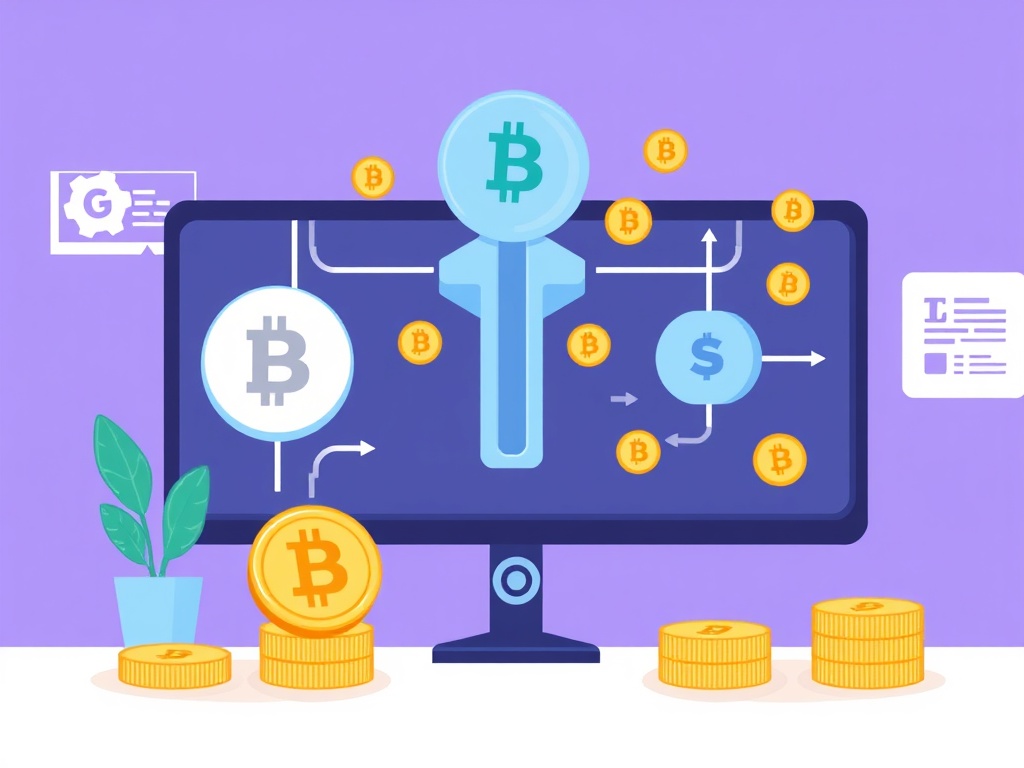
Privacy coins like Monero (XMR), Zcash (ZEC), and Dash (DASH) are often integrated into anonymous futures trading platforms to enhance anonymity. Additionally, services like BTCmixer allow users to obfuscate their transaction history by mixing their coins with others, making it difficult to trace funds back to their source.
3. Smart Contracts and Automated Market Makers (AMMs)
Smart contracts are self-executing agreements that facilitate trustless trading. In the context of anonymous futures trading, smart contracts manage positions, liquidations, and payouts without requiring intermediaries. AMMs, such as those used in Uniswap or Curve, provide liquidity for futures markets by algorithmically pricing assets based on supply and demand.
4. Layer 2 Solutions
To reduce transaction fees and improve scalability, many anonymous futures platforms leverage Layer 2 solutions like:
- Arbitrum: An Ethereum Layer 2 rollup that enables fast and cheap transactions.
- Optimism: Another Ethereum Layer 2 solution with low gas fees and high throughput.
- StarkEx: Used by platforms like dYdX to offer scalable and private futures trading.
Step-by-Step Process of Anonymous Futures Trading
Participating in anonymous futures trading involves several steps, from setting up a wallet to executing trades. Below is a simplified guide:
- Choose a Privacy-Focused Wallet:
- Use a non-custodial wallet like Wasabi Wallet (for Bitcoin) or MetaMask (for Ethereum-based tokens).
- Avoid wallets that require KYC, such as those provided by centralized exchanges.
- Acquire Privacy Coins or Anonymous Assets:
- Purchase privacy coins like Monero (XMR) or Zcash (ZEC) from decentralized exchanges or peer-to-peer (P2P) platforms.
- Alternatively, use a Bitcoin mixer like BTCmixer to anonymize your BTC before trading.
- Connect to a Decentralized Futures Platform:
- Visit a DEX that supports anonymous futures trading, such as dYdX or Perpetual Protocol.
- Connect your wallet without completing any KYC verification.
- Deposit Funds Anonymously:
- Transfer your privacy coins or anonymized assets to the platform’s smart contract.
- Use privacy-preserving techniques like CoinJoin to further obscure your transaction history.
- Open a Futures Position:
- Select the asset you want to trade (e.g., BTC, ETH, or a synthetic asset).
- Choose your leverage (if available) and the direction of your trade (long or short).
- Confirm the transaction in your wallet—no personal information is required.
- Monitor and Close Your Position:
- Track your position using the platform’s interface or a blockchain explorer.
- Close your position when you reach your desired profit or stop-loss level.
- Withdraw your funds to an anonymous wallet address.
Security Considerations in Anonymous Futures Trading
While anonymous futures trading offers significant privacy benefits, it also comes with unique security challenges. Traders must be aware of the following risks:
- Smart Contract Risks: Bugs or vulnerabilities in smart contracts can lead to fund losses. Always use audited platforms with a proven track record.
- Front-Running: In decentralized environments, malicious actors may exploit transaction ordering to gain an unfair advantage. Some platforms use techniques like commit-reveal schemes to mitigate this.
- Liquidity Risks: Anonymous futures platforms may have lower liquidity than centralized exchanges, leading to slippage or difficulty in executing large orders.
- Regulatory Uncertainty: While anonymous trading reduces exposure to traditional regulations, some jurisdictions may still target privacy-focused platforms. Stay informed about local laws.
To mitigate these risks, traders should:
- Use hardware wallets (e.g., Ledger or Trezor) to store funds.
- Enable two-factor authentication (2FA) where possible.
- Diversify across multiple anonymous platforms to reduce exposure to any single point of failure.
Top Platforms for Anonymous Futures Trading in 2024
Decentralized Exchanges (DEXs) for Anonymous Futures
Decentralized exchanges are the backbone of anonymous futures trading, offering a censorship-resistant alternative to centralized platforms. Below are some of the leading DEXs that support anonymous futures trading:
1. dYdX
dYdX is one of the most popular decentralized perpetual futures platforms, offering up to 20x leverage on assets like Bitcoin (BTC), Ethereum (ETH), and Solana (SOL). Key features include:
- No KYC Required: Users can trade without completing identity verification.
- Layer 2 Scaling: Operates on StarkEx, reducing gas fees and improving speed.
- Cross-Margin Trading: Allows users to manage multiple positions with a single margin account.
- Liquidity Provider (LP) Tokens: Users can earn rewards by providing liquidity to the platform.
dYdX is ideal for traders who want a balance of anonymity, liquidity, and advanced trading features.
2. Perpetual Protocol
Perpetual Protocol is a decentralized perpetual futures platform built on Ethereum and Optimism. It supports trading for assets like BTC, ETH, and AVAX with up to 10x leverage. Notable features include:
- Virtual Automated Market Maker (vAMM): Enables permissionless trading without the need for traditional order books.
- No KYC: Users can trade anonymously by connecting a wallet.
- Low Fees: Benefits from Ethereum’s Layer 2 scaling solutions.
- Community Governance: Users can vote on platform upgrades and parameter changes.
Perpetual Protocol is best suited for traders who prefer a simple, user-friendly interface with robust privacy protections.
3. GMX
GMX is a multi-chain decentralized exchange that supports perpetual futures trading with up to 50x leverage. It operates on Arbitrum and Avalanche, offering low fees and high liquidity. Key advantages include:
- No KYC: Fully anonymous trading experience.
- Multi-Chain Support: Trade on Ethereum, Arbitrum, and Avalanche.
- GLP Token: Users can earn yield by providing liquidity to the GLP pool.
- Fast Execution: Leverages Layer 2 solutions for near-instant trades.
GMX is a top choice for traders seeking high leverage and deep liquidity in a privacy-focused environment.
Privacy-Focused Aggregators and Mixers
In addition to DEXs, traders can use privacy-focused aggregators and mixers to enhance their anonymity in anonymous futures trading. These tools help obscure transaction trails and protect user identities.
1. BTCmixer
BTCmixer (a representative example in the btcmixer_en2 niche) is a Bitcoin mixing service that allows users to obfuscate their transaction history. Key features include:
- No Registration Required: Users can mix coins without providing personal information.
- Multiple Output Addresses: Splits transactions into smaller amounts to enhance privacy.
- Low Fees: Competitive pricing compared to other mixing services.
- No Logs Policy: Ensures user data is not stored or shared.
While BTCmixer itself does not offer futures trading, it can be used in conjunction with anonymous futures platforms to anonymize deposits and withdrawals.
2. Wasabi Wallet
Wasabi Wallet is a privacy-focused Bitcoin wallet that integrates CoinJoin to mix transactions. Features include:
- Built-in CoinJoin: Automatically mixes coins to break transaction links.
- No KYC: Users can acquire Bitcoin through P2P exchanges or mining.
- Open-Source: Transparent and auditable codebase.
Wasabi Wallet is ideal for Bitcoin traders who want to ensure their funds are fully anonymized before entering anonymous futures trading platforms.
3. Tornado Cash
Tornado Cash is a decentralized privacy solution for Ethereum and ERC-20 tokens. It allows users to deposit funds into a shared pool and withdraw them to a new address, severing on-chain links. Key benefits include:
- No Central Authority: Operates as a smart contract, ensuring censorship resistance.
- Multiple Pools: Supports ETH, DAI, USDC, and other tokens.
- Low Minimum Deposits: As low as 0.1 ETH for anonymity sets.
Tornado Cash is particularly useful for Ethereum-based anonymous futures trading, as it helps users break the link between their trading activity and personal identity.
Hybrid Platforms: Combining CEX and DEX Features
Some platforms blend the features of centralized and decentralized exchanges to offer a balance of anonymity and usability. These hybrid platforms are gaining traction in the anonymous futures trading space.
1. Bisq
Bisq is a decentralized exchange that supports futures trading for Bitcoin and other cryptocurrencies. Unlike traditional DEXs, Bisq operates as a peer-to-peer network, allowing users to trade directly with each other. Features include:
- No KYC: Fully anonymous trading experience.
- Decentralized Order Book: No central authority controls the exchange.
- Fiat and Crypto Support: Users can trade Bitcoin for fiat currencies without intermediaries.
Bisq is best for traders who want a fully decentralized, censorship-resistant platform for anonymous futures trading.
2. Hodl Hodl
Hodl Hodl is another decentralized exchange that enables futures trading for Bitcoin. It uses multisig escrow to ensure secure and private transactions. Key features include:
- No KYC: Users trade directly with each other.
- Non-Custodial: Funds are held in multisig wallets
 Robert HayesDeFi & Web3 Analyst
The Future of Anonymous Futures Trading in DeFi: Privacy, Efficiency, and Regulatory Challenges
As a DeFi and Web3 analyst, I’ve observed that anonymous futures trading is emerging as a critical innovation in decentralized finance, addressing long-standing concerns around privacy and censorship resistance. Protocols like dYdX, GMX, and Kwenta have pioneered permissionless, non-custodial trading environments where users can execute leveraged positions without revealing their identities. This is particularly compelling for traders in jurisdictions with restrictive financial regulations or those seeking to mitigate the risks of doxxing. However, the lack of KYC (Know Your Customer) requirements introduces significant regulatory scrutiny, as authorities increasingly focus on anti-money laundering (AML) and counter-terrorism financing (CTF) compliance. The tension between privacy and regulatory oversight will define the next phase of anonymous futures trading, pushing developers to explore zero-knowledge proofs (ZKPs) and decentralized identity solutions to balance these demands.
From a practical standpoint, anonymous futures trading offers undeniable advantages, including reduced counterparty risk and enhanced capital efficiency through overcollateralized positions. Yet, the absence of identity verification also raises concerns about market manipulation and the potential for illicit activities. For instance, wash trading and spoofing can thrive in anonymous environments, undermining market integrity. To mitigate these risks, I recommend that traders prioritize platforms with robust on-chain analytics tools and community-driven governance to monitor suspicious activity. Additionally, the integration of decentralized oracles with strong reputation systems could help filter out bad actors while preserving user anonymity. The future of anonymous futures trading hinges on whether the DeFi ecosystem can innovate faster than regulators can adapt—an arms race that will shape the next generation of financial infrastructure.