
Dual Stack Tor and I2P Bitcoin Node Setup: Enhancing Privacy and Anonymity in Cryptocurrency Operations
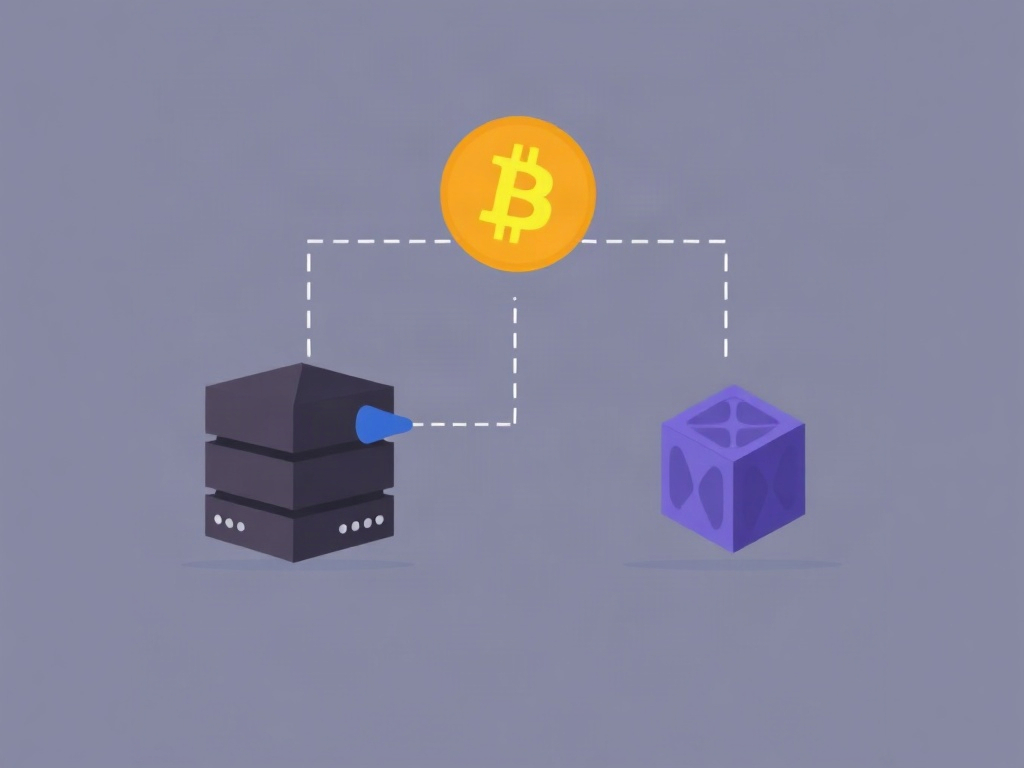
In the evolving landscape of decentralized finance and privacy-preserving technologies, a dual stack tor and i2p bitcoin node setup represents one of the most robust approaches for operators who require layered anonymity, resilient peer connectivity, and resistance to network-level surveillance. While a single anonymizing network such as Tor offers significant privacy benefits, combining it with I2P (Invisible Internet Project) creates a dual-stack architecture that routes Bitcoin node traffic through two distinct anonymity networks. This article provides a comprehensive, step-by-step exploration of planning, deploying, and maintaining a dual stack tor and i2p bitcoin node setup, tailored for enthusiasts, developers, and infrastructure operators within the btcmixer_en2 niche and beyond.
The motivation behind adopting a dual stack tor and i2p bitcoin node setup stems from the complementary strengths of both networks. Tor excels at obscuring the origin of traffic through its global volunteer relay network, making it ideal for general-purpose anonymity and access to onion services. I2P, conversely, is designed for internal, peer-to-peer encrypted communication, offering garlic routing, garlic routing, and an immersive darknet environment that is particularly resilient against traffic analysis. By running a Bitcoin node on both stacks simultaneously, operators ensure that inbound and outbound P2P connections are distributed across two independent threat models, significantly reducing the risk of deanonymization or Sybil attacks.
Understanding the Dual Stack Architecture
The Role of Tor in Bitcoin Node Anonymity
Tor (The Onion Router) has long been the cornerstone of privacy infrastructure for Bitcoin node operators. When a Bitcoin Core instance connects to the P2P network via Tor, all outgoing and incoming connections traverse onion routing paths, masking the node's real IP address from peers and potential observers. In a dual stack tor and i2p bitcoin node setup, Tor typically handles the primary P2P connection, allowing the node to discover peers, sync the blockchain, and broadcast transactions while maintaining a high degree of geographic obfuscation. Operators often configure Bitcoin Core to listen on a Tor onion service, which not only hides the server's IP but also enables other Tor-hidden nodes to connect securely without exposing clearnet addresses.
The Role of I2P in Bitcoin Node Anonymity
I2P operates on a fundamentally different routing philosophy. Instead of routing traffic through a global network of relays, I2P uses garlic routing within a dynamic, self-organizing network of routers owned and operated by its participants. In the context of a dual stack tor and i2p bitcoin node setup, I2P provides an additional P2P channel that is completely isolated from the clearnet and Tor network. This means that even if an adversary compromises or monitors the Tor circuit, the I2P pathway remains unaffected, and vice versa. I2P is particularly valuable for operators who wish to participate in the Bitcoin P2P ecosystem exclusively within privacy-centric communities, as many I2P peers prioritize encryption and connection privacy.
Preparing Your Infrastructure for Dual Stack Deployment
Hardware Requirements
Before initiating a dual stack tor and i2p bitcoin node setup, it is essential to assess hardware capabilities. Running two anonymizing stacks simultaneously increases the processing overhead on the node, as each network stack requires its own daemon, configuration, and connection management. A minimum of 4GB RAM, a modern multi-core CPU, and at least 500GB of SSD storage are recommended for a smooth experience. Additionally, a stable, unthrottled internet connection with low latency is crucial, as both Tor and I2P introduce some overhead that can affect block propagation times and peer connection speeds.
Operating System Considerations
Most Linux distributions handle dual-stack networking natively, but careful OS selection can streamline the deployment process. Debian, Ubuntu, and Arch Linux are popular choices due to their extensive documentation and package availability. For a dual stack tor and i2p bitcoin node setup, ensure the OS supports both apt or yum for easy installation of Tor and I2P packages, and that the firewall is configured to allow outbound connections on the ports required by both networks. SELinux or AppArmor policies may need adjustment to permit the daemons to bind to their respective network interfaces.
Step-by-Step Configuration of Tor for Bitcoin Node
Installing and Configuring Tor
The first phase of a dual stack tor and i2p bitcoin node setup involves installing Tor and generating a dedicated identity for your Bitcoin node. On a Debian-based system, you can install Tor via sudo apt update && sudo apt install tor. After installation, create a unique data directory for your node's Tor configuration to prevent identity conflicts with other services. Edit the torrc file to include the following directives:
Nickname BitcoinNodeORPort 443ExitPolicy reject :HiddenServiceDir /var/lib/tor/bitcoin_node_hidden/HiddenServicePort 8333 127.0.0.1:8333
These settings expose your Bitcoin Core P2P port (8333) as a Tor onion service, allowing other Tor nodes to connect directly without revealing your clearnet IP. Restart the Tor service and verify the onion address generation using cat /var/lib/tor/bitcoin_node_hidden/hostname.
Optimizing Tor Settings for Node Stability
Beyond basic configuration, fine-tuning Tor parameters can enhance the reliability of your dual stack tor and i2p bitcoin node setup. Consider adjusting the MaxCircuitDirtiness to rotate circuits periodically, reducing the risk of long-term correlation attacks. Set CircuitBuildTimeout and MaxClientCircuitsPending to values that match your server's capacity, ensuring that inbound connection requests are handled without excessive queuing. Additionally, enabling SafeLogging prevents sensitive information such as IP addresses from appearing in log files, which is critical when operating a privacy-focused node.
Step-by-Step Configuration of I2P for Bitcoin Node
Installing I2P Router Console
The second pillar of a dual stack tor and i2p bitcoin node setup is the I2P router, which creates a parallel anonymous network for your Bitcoin traffic. Installation varies by operating system, but on most Linux systems, you can download the latest I2P .jar file from the official website or use a package manager. After downloading, execute java -jar i2pinstaller.jar and follow the interactive setup wizard. The wizard will configure the I2P router, generate cryptographic keys, and start the router in the background. Ensure that Java Runtime Environment (JRE) is installed prior to installation, as I2P is Java-based.
Configuring I2P Endpoints for Bitcoin P2P Traffic
Once the I2P router is running and accessible via the I2P Router Console (typically at http://127.0.0.1:7657), the next step in your dual stack tor and i2p bitcoin node setup is to configure Bitcoin Core to use the I2P network. This involves setting the -proxy flag or modifying the bitcoin.conf file to direct P2P traffic through the I2SOCKS proxy. A common configuration line is:
proxy=127.0.0.1:4444bind=127.0.0.1onion=127.0.0.1:8333
However, for pure I2P connectivity, you will need to map the Bitcoin P2P port to the I2P network layer. This is achieved by creating an I2P destination and configuring Bitcoin Core to listen on the I2P address. The I2P console provides a "Port Forwarding" or "Universal Plug and Play (UPnP)" feature that can automate this mapping, or you can manually configure the router to bind the Bitcoin port to a specific I2P destination address.
Integrating Tor and I2P with Bitcoin Core
Bitcoin Core Configuration for Dual Stack
With both Tor and I2P daemons running, the final and most critical phase of a dual stack tor and i2p bitcoin node setup is integrating these networks with Bitcoin Core. Bitcoin Core does not natively support simultaneous Tor and I2P P2P connections in a single configuration block, so operators typically run two instances of Bitcoin Core: one configured for Tor and another for I2P. Alternatively, advanced users can leverage third-party patches or scripting to bind one instance to multiple network interfaces, each marked for a different anonymizing network.
For a Tor-only instance, the bitcoin.conf might include:
listen=1
bind=127.0.0.1
server=1
tor=1
addrmap=127.0.0.1:8333:127.0.0.1:443
For an I2P-only instance, the configuration shifts to:
listen=1
bind=127.0.0.1
server=1
proxy=127.0.0.1:4444
addrmap=your_i2p_destination:8333=127.0.0.1:8333
Running both instances on different ports (e.g., 8333 for Tor and 18333 for I2P) allows you to monitor and compare peer connectivity, block sync speeds, and network behavior across both anonymity stacks.
Testing and Verifying Dual Stack Connectivity
After configuring both Bitcoin Core

Understanding the dual stack tor and i2p bitcoin node setup for Secure Bitcoin Operations
As Emily Parker, a certified financial analyst with over a decade of experience guiding retail and institutional investors through the evolving cryptocurrency ecosystem, I’ve seen firsthand how infrastructure choices directly impact risk-adjusted returns. The emergence of privacy-enhancing networking layers like Tor and I2P has shifted the conversation from mere uptime to operational security. A properly configured dual stack tor and i2p bitcoin node setup not only shields your node’s IP address from surveillance but also distributes traffic across two distinct anonymity networks, reducing single points of failure and enhancing resilience against targeted attacks.
From a practical standpoint, implementing a dual stack approach requires careful coordination of software versions, firewall rules, and bandwidth allocation. I advise clients to run both Tor and I2P exits in parallel, monitoring latency and connection stability to ensure the node remains synchronized with the Bitcoin network without compromising speed. The dual stack tor and i2p bitcoin node setup also offers diversification of anonymity pathways; if one network experiences degradation or targeted disruption, the other can maintain connectivity, which is critical for nodes that support trading desks or custody operations where downtime translates directly into opportunity cost.
For investors evaluating node infrastructure, I recommend prioritizing setups that offer transparent monitoring metrics, automated failover capabilities, and regular security audits. While the technical overhead is non-trivial, the long-term benefits in terms of privacy, censorship resistance, and network reliability make the dual stack tor and i2p bitcoin node setup a worthwhile consideration for any serious participant in the Bitcoin ecosystem. My role is to help clients balance these technical investments against their broader portfolio strategy, ensuring that infrastructure choices align with risk tolerance and return objectives.