Entity Resolution Blockchain: Revolutionizing Data Integrity and Identity Management in the Digital Age
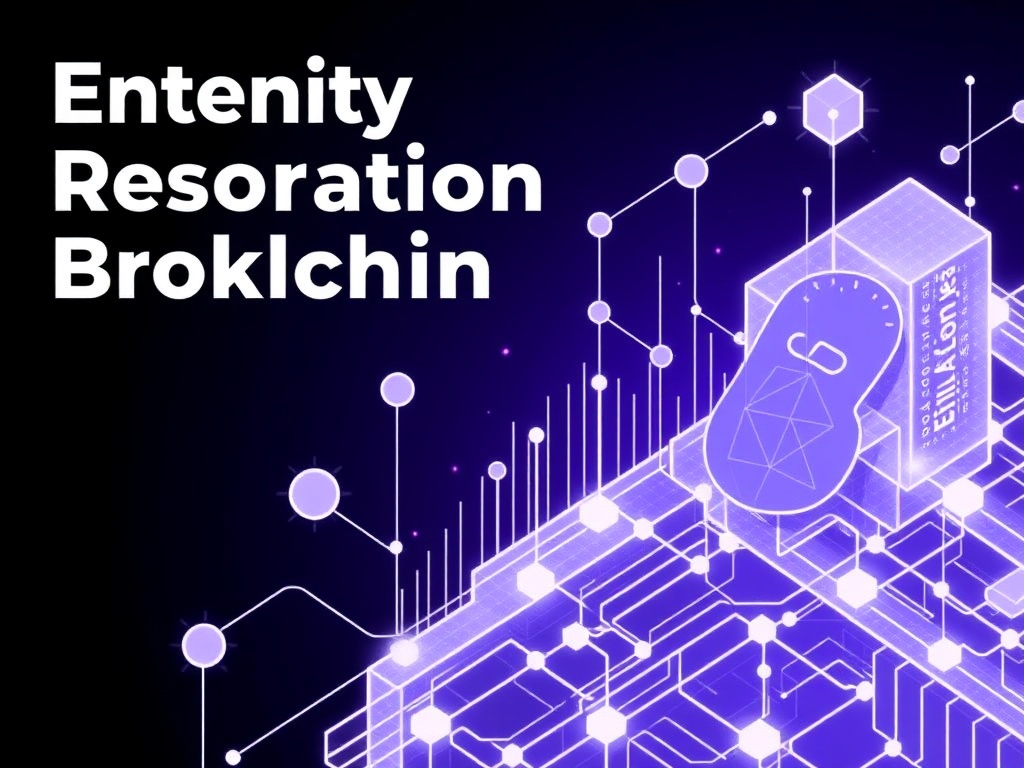
In an era where data integrity, identity verification, and fraud prevention are paramount, entity resolution blockchain has emerged as a transformative technology. This innovative approach combines the power of blockchain with advanced entity resolution techniques to create a secure, transparent, and immutable framework for managing digital identities and resolving complex data relationships. As businesses and governments grapple with the challenges of data silos, identity theft, and regulatory compliance, entity resolution blockchain offers a robust solution that ensures accuracy, trust, and efficiency.
This comprehensive guide explores the intricacies of entity resolution blockchain, its applications, benefits, and the future it promises for industries ranging from finance to healthcare. Whether you're a blockchain enthusiast, a data scientist, or a business leader seeking to enhance your data management strategies, this article will provide valuable insights into how entity resolution blockchain is reshaping the landscape of digital identity and data integrity.
The Fundamentals of Entity Resolution and Blockchain Technology
Understanding Entity Resolution
Entity resolution, also known as record linkage or data matching, is the process of identifying, matching, and merging records that refer to the same real-world entity across disparate data sources. This technique is crucial in scenarios where data is scattered across multiple systems, and organizations need a unified view of their customers, transactions, or assets.
For example, a bank may have customer records spread across its loan, savings, and credit card departments. Entity resolution helps the bank consolidate these records to create a single, accurate profile for each customer. Without entity resolution, businesses risk duplicate entries, inconsistencies, and inefficiencies that can lead to poor decision-making and regulatory penalties.
Blockchain: The Backbone of Trust and Transparency
Blockchain technology, originally developed as the underlying framework for cryptocurrencies like Bitcoin, has evolved into a versatile tool for ensuring data integrity and security. At its core, blockchain is a decentralized, distributed ledger that records transactions across a network of computers in a way that is tamper-proof and transparent. Each block in the chain contains a cryptographic hash of the previous block, a timestamp, and transaction data, making it nearly impossible to alter past records without detection.
The key features of blockchain that make it ideal for entity resolution include:
- Immutability: Once data is recorded on the blockchain, it cannot be altered or deleted, ensuring a permanent and tamper-proof record.
- Decentralization: Unlike traditional databases controlled by a single entity, blockchain operates on a peer-to-peer network, reducing the risk of single points of failure and unauthorized access.
- Transparency: All participants in the network can view the data, fostering trust and accountability.
- Smart Contracts: Self-executing contracts with predefined rules can automate processes such as identity verification, reducing human error and increasing efficiency.
Synergy Between Entity Resolution and Blockchain
The integration of entity resolution with blockchain technology creates a powerful synergy that addresses many of the challenges associated with traditional data management. By leveraging blockchain's immutable ledger, organizations can ensure that entity resolution processes are transparent, auditable, and resistant to tampering. Meanwhile, entity resolution enhances blockchain by providing the tools needed to accurately identify and link real-world entities to their digital representations.
This combination is particularly valuable in industries where data accuracy and identity verification are critical, such as finance, healthcare, and supply chain management. For instance, in the financial sector, entity resolution blockchain can help banks and fintech companies combat fraud by ensuring that customer identities are accurately verified and linked across multiple systems.
How Entity Resolution Blockchain Works: A Step-by-Step Breakdown
Step 1: Data Collection and Preprocessing
The first step in implementing entity resolution blockchain is collecting data from various sources, such as databases, APIs, and external feeds. This data may include customer information, transaction records, or supply chain data. Once collected, the data must be preprocessed to standardize formats, remove duplicates, and correct inconsistencies. This step is crucial for ensuring that the entity resolution process is accurate and efficient.
Preprocessing techniques may include:
- Data Cleaning: Removing irrelevant or duplicate data entries.
- Normalization: Standardizing data formats (e.g., converting all addresses to a consistent format).
- Tokenization: Breaking down text into smaller units (e.g., words or phrases) for easier analysis.
- Fuzzy Matching: Using algorithms to identify similar but not identical data entries (e.g., "Jon" vs. "John").
Step 2: Entity Resolution Algorithms
Once the data is preprocessed, the next step is to apply entity resolution algorithms to identify and link records that refer to the same entity. These algorithms use a combination of deterministic and probabilistic matching techniques to compare data points and determine whether they belong to the same entity.
Common entity resolution algorithms include:
- Exact Matching: Identifying records with identical attributes (e.g., social security numbers or email addresses).
- Fuzzy Matching: Using similarity measures (e.g., Levenshtein distance) to match records with minor variations.
- Machine Learning Models: Training models to recognize patterns and predict matches based on historical data.
- Graph-Based Matching: Representing entities as nodes in a graph and using graph algorithms to identify connections between them.
Step 3: Blockchain Integration
After entity resolution is complete, the next step is to integrate the resolved data with a blockchain network. This involves creating a digital representation of each entity (e.g., a unique identifier or token) and recording it on the blockchain. The blockchain serves as a tamper-proof ledger that stores the entity's attributes, relationships, and transaction history.
Key considerations for blockchain integration include:
- Consensus Mechanisms: Choosing a consensus algorithm (e.g., Proof of Work, Proof of Stake) to validate transactions and ensure data integrity.
- Smart Contracts: Deploying smart contracts to automate processes such as identity verification, data sharing, and compliance checks.
- Privacy and Security: Implementing encryption and access controls to protect sensitive data while maintaining transparency.
- Interoperability: Ensuring that the blockchain can communicate with other systems and networks to facilitate data exchange.
Step 4: Real-Time Updates and Auditing
One of the most significant advantages of entity resolution blockchain is its ability to provide real-time updates and auditing capabilities. As new data is collected or existing data is updated, the blockchain can be updated to reflect these changes, ensuring that all participants have access to the most current information.
Additionally, the immutable nature of blockchain allows for comprehensive auditing. Organizations can track the entire history of an entity, from its creation to its most recent update, providing a complete audit trail that is invaluable for regulatory compliance and fraud detection.
Step 5: Applications and Use Cases
The final step is to apply the resolved and blockchain-integrated data to real-world use cases. Some of the most promising applications of entity resolution blockchain include:
- Financial Services: Combating fraud, streamlining KYC (Know Your Customer) processes, and enhancing anti-money laundering (AML) compliance.
- Healthcare: Improving patient data management, ensuring accurate medical records, and facilitating secure data sharing between providers.
- Supply Chain Management: Tracking products from origin to consumer, verifying authenticity, and preventing counterfeiting.
- Government and Public Sector: Enhancing citizen identity management, reducing identity theft, and improving service delivery.
- E-Commerce: Personalizing customer experiences, reducing fraud, and improving supply chain transparency.
Benefits of Entity Resolution Blockchain: Why It Matters
Enhanced Data Accuracy and Integrity
Traditional data management systems often suffer from inaccuracies due to duplicate entries, inconsistent formats, and human error. Entity resolution blockchain addresses these issues by providing a single source of truth for entity data. By leveraging blockchain's immutability and entity resolution's matching capabilities, organizations can ensure that their data is accurate, consistent, and up-to-date.
For example, in the healthcare industry, accurate patient data is critical for providing quality care. Entity resolution blockchain can help hospitals and clinics consolidate patient records from multiple sources, ensuring that providers have access to complete and accurate medical histories. This reduces the risk of misdiagnosis, duplicate testing, and medication errors.
Improved Fraud Detection and Prevention
Fraud is a significant challenge for industries such as banking, insurance, and e-commerce. Entity resolution blockchain enhances fraud detection by providing a transparent and tamper-proof record of transactions and identities. By linking entities across multiple systems and verifying their authenticity, organizations can identify suspicious patterns and prevent fraudulent activities.
For instance, in the financial sector, entity resolution blockchain can help banks detect and prevent identity theft by ensuring that customer identities are accurately verified and linked across all banking systems. This reduces the risk of fraudulent transactions and enhances customer trust.
Regulatory Compliance and Auditability
Regulatory compliance is a top priority for businesses operating in highly regulated industries such as finance, healthcare, and government. Entity resolution blockchain simplifies compliance by providing a transparent and auditable record of all data transactions. Organizations can easily track the history of an entity, from its creation to its most recent update, ensuring that they meet regulatory requirements such as GDPR, HIPAA, and AML.
For example, in the financial sector, entity resolution blockchain can help banks comply with AML regulations by providing a complete audit trail of customer transactions. This makes it easier for banks to identify and report suspicious activities to regulatory authorities.
Cost Savings and Operational Efficiency
Inefficient data management processes can lead to increased operational costs and reduced productivity. Entity resolution blockchain streamlines data management by automating processes such as entity matching, data sharing, and compliance checks. This reduces the need for manual intervention, minimizes errors, and improves operational efficiency.
For example, in the supply chain industry, entity resolution blockchain can help companies reduce costs by automating the tracking and verification of products. This eliminates the need for manual record-keeping and reduces the risk of errors and fraud.
Enhanced Customer Experience
In today's digital economy, customers expect personalized and seamless experiences. Entity resolution blockchain enables organizations to create a unified view of their customers by consolidating data from multiple sources. This allows businesses to provide tailored products and services, improve customer engagement, and build long-term relationships.
For example, in the e-commerce industry, entity resolution blockchain can help retailers personalize the shopping experience by providing accurate and up-to-date customer profiles. This enables retailers to recommend products, offer discounts, and provide targeted marketing campaigns that resonate with individual customers.
Challenges and Limitations of Entity Resolution Blockchain
Scalability Issues
One of the primary challenges of entity resolution blockchain is scalability. Blockchain networks, particularly those using Proof of Work consensus mechanisms, can struggle to handle large volumes of transactions and data. This can lead to slow processing times and increased costs, making it difficult for organizations to scale their operations.
To address scalability issues, organizations can explore alternative consensus mechanisms such as Proof of Stake or sharding. Additionally, off-chain solutions such as sidechains and state channels can help reduce the load on the main blockchain network.
Data Privacy and Security Concerns
While blockchain is known for its security features, the integration of entity resolution can introduce new privacy and security challenges. For example, storing sensitive data such as personal identifiers or financial information on a public blockchain can expose it to potential breaches. Additionally, the transparency of blockchain can conflict with privacy regulations such as GDPR, which require organizations to protect personal data.
To mitigate these risks, organizations can implement privacy-enhancing technologies such as zero-knowledge proofs, homomorphic encryption, and differential privacy. These techniques allow organizations to verify data without exposing sensitive information, ensuring compliance with privacy regulations.
Interoperability and Standardization
The lack of standardization across blockchain platforms and entity resolution systems can hinder the widespread adoption of entity resolution blockchain. Different blockchains use varying protocols, consensus mechanisms, and data formats, making it difficult for organizations to integrate their systems. Additionally, entity resolution algorithms may not be compatible with all blockchain platforms, further complicating the integration process.
To overcome these challenges, organizations can advocate for industry-wide standards and protocols. Additionally, they can explore interoperability solutions such as cross-chain bridges and blockchain-agnostic entity resolution platforms.
Regulatory Uncertainty
The regulatory landscape for blockchain and entity resolution is still evolving, creating uncertainty for organizations seeking to adopt these technologies. Different jurisdictions have varying regulations regarding data privacy, identity management, and blockchain usage, making it difficult for organizations to navigate compliance requirements.
To address regulatory uncertainty, organizations should stay informed about the latest developments in blockchain and data privacy regulations. They should also work closely with legal and compliance teams to ensure that their entity resolution blockchain implementations meet all applicable requirements.
Adoption and Integration Challenges
Adopting entity resolution blockchain requires significant changes to existing data management processes and infrastructure. Organizations may face resistance from employees, stakeholders, and partners who are accustomed to traditional systems. Additionally, integrating blockchain with legacy systems can be complex and time-consuming.
To facilitate adoption, organizations should invest in employee training and change management programs. They should also work closely with technology partners to ensure a smooth integration process. Pilot projects and proof-of-concept initiatives can help organizations demonstrate the value of entity resolution blockchain before scaling up their implementations.
Real-World Applications of Entity Resolution Blockchain
Financial Services: Combating Fraud and Enhancing Compliance
The financial services industry is one of the primary beneficiaries of entity resolution blockchain. Banks, fintech companies, and payment processors can leverage this technology to enhance fraud detection, streamline KYC processes, and ensure regulatory compliance.
For example, JPMorgan Chase has implemented a blockchain-based solution for KYC and AML compliance. By using entity resolution blockchain, the bank can consolidate customer data from multiple sources, verify identities, and monitor transactions in real time. This reduces the risk of fraud and ensures compliance with regulatory requirements.
Similarly, HSBC has partnered with blockchain startups to develop solutions for trade finance and supply chain financing. By using entity resolution blockchain, HSBC can track the movement of goods, verify the authenticity of documents, and automate the reconciliation process, reducing the risk of fraud and improving operational efficiency.
Healthcare: Improving Patient Data Management and Interoperability
The healthcare industry faces significant challenges in managing patient data, ensuring data accuracy, and facilitating secure data sharing between providers. Entity resolution blockchain offers a solution by providing a unified and tamper-proof record of patient data.
For example, MedRec, a blockchain-based healthcare data management system developed by MIT, uses entity resolution blockchain to consolidate patient records from multiple providers. This allows patients to have a complete and accurate medical history, reducing the risk of misdiagnosis and duplicate testing. Additionally, MedRec ensures that patient data is securely shared between providers, improving care coordination and patient outcomes.
Another example is BurstIQ, a blockchain platform that uses entity resolution blockchain to manage patient data for clinical trials. By consolidating data from multiple sources, BurstIQ ensures that researchers have access to accurate and up-to-date information, improving the efficiency and effectiveness of clinical trials.
Supply Chain Management: Enhancing Transparency and Authenticity
The supply chain industry is plagued by issues such as counterfeiting, fraud, and lack of transparency. Entity resolution blockchain addresses these challenges by providing a transparent and tamper-proof record of product movement and authenticity.
For example, IBM Food Trust uses entity resolution blockchain to track the movement of food products from farm to table. By recording each step of the supply chain on the blockchain, IBM Food Trust ensures that consumers can verify the authenticity and safety of their food. This reduces the risk of foodborne illnesses and improves consumer trust.
Similarly, De Beers, a leading diamond company, uses entity resolution blockchain to track the origin and authenticity of diamonds. By recording each diamond's journey from mine to market on the blockchain, De Beers ensures that consumers can verify the ethical sourcing and authenticity of their purchases.
Government and Public Sector: Enhancing Citizen Identity Management
Governments around the world are exploring the use of entity resolution blockchain to enhance citizen identity management, reduce identity theft,

As a DeFi and Web3 analyst, I’ve observed that entity resolution blockchain represents a critical evolution in how decentralized systems authenticate and reconcile identities. Traditional finance relies on centralized databases to resolve entities—banks, credit bureaus, and regulators all maintain their own siloed records. But in Web3, where pseudonymity and self-sovereign identity are foundational, the challenge of accurately identifying and linking entities across protocols becomes exponentially more complex. An entity resolution blockchain solves this by leveraging decentralized consensus to validate identities without sacrificing privacy or ceding control to intermediaries. Projects like Spruce ID and 0x are already experimenting with zero-knowledge proofs (ZKPs) and decentralized identifiers (DIDs) to create tamper-proof identity graphs—where entities can be resolved across chains without exposing raw data. This isn’t just theoretical; it’s a necessity for mitigating Sybil attacks, preventing double-spending in DeFi, and enabling compliant yet permissionless interactions.
The practical implications of an entity resolution blockchain extend far beyond identity verification. For DeFi protocols, it could eliminate the need for KYC aggregators by allowing users to prove their identity once and reuse that attestation across multiple dApps. Imagine a lending platform where a borrower’s on-chain reputation—verified through past transactions, collateral history, and social graphs—is instantly resolvable without requiring them to upload documents to each new protocol. This reduces friction while preserving security. Moreover, for governance tokens, an entity resolution system could prevent vote-buying schemes by ensuring that each token holder is a unique, verifiable individual. The key challenge, however, lies in balancing resolution accuracy with privacy. Over-identification risks re-centralization, while under-identification leaves protocols vulnerable. The most promising solutions will likely combine ZKPs with decentralized oracles to create a hybrid model—one where entities are resolved with high confidence but without exposing sensitive data. As Web3 matures, entity resolution blockchain won’t just be a feature; it’ll be the backbone of trustless, scalable, and compliant decentralized ecosystems.