EU Crypto Regulation Overview: Navigating the Evolving Landscape of Digital Asset Compliance
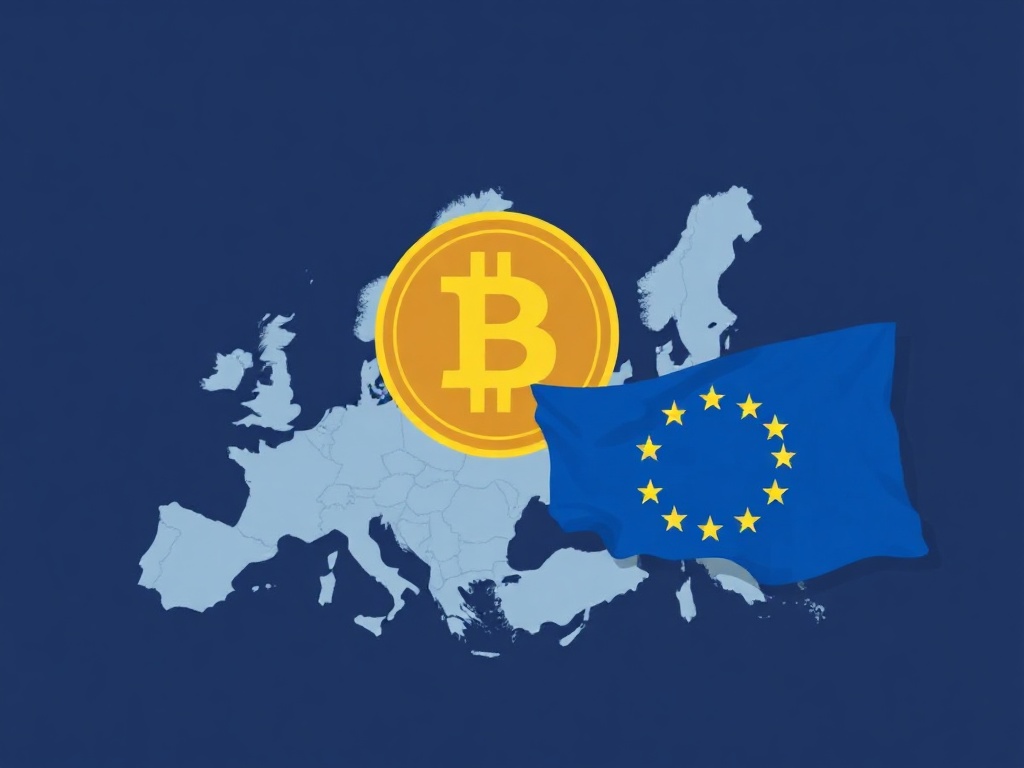
The European Union has emerged as a global leader in establishing a comprehensive EU crypto regulation overview to foster innovation while ensuring financial stability, consumer protection, and anti-money laundering (AML) compliance. As cryptocurrencies and blockchain technologies continue to reshape the financial ecosystem, the EU has taken proactive steps to create a regulatory framework that balances innovation with risk mitigation. This EU crypto regulation overview examines the key components of the EU's approach, including the Markets in Crypto-Assets Regulation (MiCA), the Transfer of Funds Regulation (TFR), and the broader implications for businesses and investors operating within the bloc.
The regulatory landscape for cryptocurrencies in the EU is complex and multifaceted, reflecting the diverse economic and political priorities of its 27 member states. While some countries have adopted more permissive stances toward digital assets, others have imposed stricter controls. The EU's unified approach aims to harmonize these differences, providing legal certainty and reducing fragmentation in the market. This EU crypto regulation overview will explore the historical context, current regulatory frameworks, compliance requirements, and future trends shaping the EU's crypto ecosystem.
The Evolution of EU Crypto Regulation: From Fragmentation to Harmonization
The Early Days: Fragmented Approaches and Regulatory Gaps
Before the introduction of a unified EU crypto regulation overview, member states approached cryptocurrency regulation independently, leading to significant disparities in legal treatment. Some countries, such as Malta and Estonia, positioned themselves as crypto-friendly hubs by enacting progressive legislation. Malta, for instance, introduced the Virtual Financial Assets Act (VFAA) in 2018, establishing a regulatory sandbox for crypto businesses. Estonia, on the other hand, became one of the first EU countries to require crypto service providers to obtain licenses under its Anti-Money Laundering and Counter-Terrorism Financing (AML/CFT) regulations.
Other member states, however, adopted a more cautious stance. France initially classified cryptocurrencies as digital assets rather than financial instruments, while Germany recognized Bitcoin as a financial instrument under its Banking Act. This lack of uniformity created challenges for businesses operating across borders, as compliance requirements varied significantly from one jurisdiction to another. The absence of a cohesive EU crypto regulation overview also left gaps in consumer protection and AML enforcement, exposing the market to risks such as fraud, market manipulation, and illicit activities.
The Turning Point: The Rise of MiCA and the Push for Harmonization
The turning point in the EU's approach to crypto regulation came with the proposal of the Markets in Crypto-Assets Regulation (MiCA) in September 2020. MiCA was introduced as part of the EU's broader Digital Finance Package, which aimed to modernize the EU's financial services framework and position the bloc as a leader in digital innovation. The regulation sought to address the fragmentation in the crypto market by establishing a single set of rules for crypto-asset issuers and service providers across the EU.
MiCA's primary objectives include:
- Enhancing legal certainty: By providing clear definitions and classifications for crypto-assets, MiCA reduces ambiguity and helps businesses understand their compliance obligations.
- Protecting consumers and investors: The regulation introduces strict requirements for transparency, disclosure, and governance, ensuring that investors are adequately informed about the risks associated with crypto-assets.
- Combating financial crime: MiCA aligns with the EU's AML framework, requiring crypto-asset service providers (CASPs) to implement robust AML/CFT measures, including customer due diligence (CDD) and suspicious activity reporting.
- Fostering innovation: While imposing regulatory safeguards, MiCA also creates a supportive environment for crypto businesses by establishing a regulatory sandbox and streamlining licensing processes.
The adoption of MiCA marked a significant milestone in the EU crypto regulation overview, signaling the EU's commitment to creating a unified and competitive digital asset market. However, the regulation's implementation has not been without challenges, as businesses and regulators grapple with its complexities and adapt to the new compliance landscape.
Key Components of the EU Crypto Regulation Overview: MiCA and Beyond
Understanding MiCA: Scope, Scope, and Key Definitions
The Markets in Crypto-Assets Regulation (MiCA) is the cornerstone of the EU's EU crypto regulation overview, providing a comprehensive framework for the regulation of crypto-assets, issuers, and service providers. MiCA defines crypto-assets as "a digital representation of value or rights which may be transferred and stored electronically, using distributed ledger technology or similar technology." This broad definition encompasses a wide range of digital assets, including:
- Asset-referenced tokens (ARTs): Crypto-assets that aim to maintain a stable value by referencing multiple assets, such as commodities or currencies.
- E-money tokens (EMTs): Crypto-assets that purport to maintain a stable value by referencing a single fiat currency, such as stablecoins pegged to the euro or the US dollar.
- Utility tokens: Crypto-assets that provide access to a specific product or service within a blockchain ecosystem.
- Payment tokens: Crypto-assets that are primarily used as a means of payment, such as Bitcoin and Ethereum.
MiCA introduces a tiered regulatory approach based on the type of crypto-asset and the activities involved. For instance, issuers of asset-referenced tokens and e-money tokens are subject to stringent authorization and capital requirements, while issuers of utility tokens and payment tokens face lighter regulatory burdens. This tiered system aims to balance innovation with risk mitigation, ensuring that high-risk activities are subject to appropriate oversight.
Licensing and Authorization Requirements for Crypto-Asset Service Providers
Under MiCA, crypto-asset service providers (CASPs) are required to obtain authorization from their home member state's competent authority before offering services in the EU. The regulation defines CASPs as entities providing services related to crypto-assets, including:
- Custody and administration of crypto-assets;
- Operation of a trading platform for crypto-assets;
- Exchange of crypto-assets for fiat currency or other crypto-assets;
- Execution of orders on behalf of clients;
- Placement of crypto-assets;
- Reception and transmission of orders for crypto-assets;
- Advice on crypto-assets.
To obtain a license, CASPs must meet several requirements, including:
- Capital requirements: CASPs must maintain minimum capital levels based on the type of services they provide. For example, entities offering custody services must hold at least €125,000 in capital, while those providing exchange services must hold at least €50,000.
- Organizational requirements: CASPs must implement robust governance structures, including policies for risk management, internal controls, and compliance with AML/CFT regulations.
- Operational requirements: CASPs must ensure the security of their systems and the protection of client assets. This includes implementing measures to prevent cyberattacks, fraud, and operational failures.
- Transparency and disclosure: CASPs must provide clear and accurate information to clients about the risks associated with crypto-assets, including price volatility, liquidity risks, and potential losses.
The licensing process under MiCA is designed to ensure that only reputable and well-capitalized entities operate in the EU crypto market. By imposing these requirements, the regulation aims to enhance consumer protection and reduce the risks of market abuse and financial crime.
The Role of the Transfer of Funds Regulation (TFR) in Combating Illicit Activities
While MiCA focuses on the regulation of crypto-assets and service providers, the Transfer of Funds Regulation (TFR) plays a crucial role in the EU's EU crypto regulation overview by addressing the risks associated with illicit financial flows. The TFR, which came into effect in July 2021, requires crypto-asset service providers to collect and transmit information about the originator and beneficiary of crypto-asset transfers. This regulation aligns with the EU's broader AML/CFT framework, which aims to prevent the use of crypto-assets for money laundering and terrorist financing.
The TFR applies to all crypto-asset transfers, regardless of their value, and requires CASPs to:
- Collect accurate and complete information about the originator and beneficiary of each transfer;
- Transmit this information to the recipient's CASP before or simultaneously with the transfer;
- Ensure that the information is securely stored and accessible to competent authorities upon request.
By imposing these requirements, the TFR enhances the traceability of crypto-asset transactions, making it more difficult for criminals to exploit digital assets for illicit purposes. However, the implementation of the TFR has also raised concerns among privacy advocates, who argue that the regulation could infringe on individuals' rights to financial privacy. The EU has sought to address these concerns by emphasizing the importance of proportionality and ensuring that the collection and transmission of information are limited to what is necessary for AML/CFT purposes.
Compliance Challenges and Practical Considerations for Businesses
Navigating the Licensing Process: Lessons from Early Applicants
The licensing process under MiCA is one of the most significant compliance challenges facing crypto businesses in the EU. Since the regulation came into effect, several companies have applied for licenses, providing valuable insights into the practical challenges and requirements of the process. For instance, Binance, one of the world's largest crypto exchanges, has sought licenses in multiple EU member states, including France, Italy, and Spain, to ensure compliance with MiCA's territorial scope.
One of the key challenges for businesses is the need to demonstrate compliance with MiCA's organizational and operational requirements. This includes implementing robust AML/CFT policies, conducting regular risk assessments, and maintaining adequate capital reserves. Additionally, businesses must ensure that their systems and processes are capable of handling the increased regulatory scrutiny, including audits and inspections by competent authorities.
Another challenge is the requirement for CASPs to establish a physical presence in the EU. While MiCA allows for remote operations, businesses must have a registered office and a local representative in the member state where they are licensed. This requirement has prompted some companies to set up subsidiaries or branches in the EU, adding to their operational costs and complexity.
AML/CFT Compliance: Balancing Innovation with Risk Mitigation
Anti-money laundering and counter-terrorism financing (AML/CFT) compliance is a critical component of the EU's EU crypto regulation overview, as crypto-assets are increasingly being used for illicit activities. MiCA and the TFR impose stringent AML/CFT requirements on CASPs, including:
- Customer due diligence (CDD): CASPs must verify the identity of their customers and beneficial owners, using reliable and independent sources of information. Enhanced due diligence (EDD) is required for high-risk customers, such as those from high-risk jurisdictions or those involved in large transactions.
- Suspicious activity reporting: CASPs must monitor transactions for suspicious activity and report any such activity to the relevant authorities. This includes transactions that are unusually large, complex, or lack an apparent economic purpose.
- Record-keeping: CASPs must maintain records of all transactions and customer information for a minimum of five years, ensuring that they are accessible to competent authorities upon request.
- Internal controls and governance: CASPs must implement robust internal controls, including policies for risk management, compliance monitoring, and employee training.
While these requirements are essential for combating financial crime, they also pose challenges for businesses, particularly startups and smaller enterprises. The cost of implementing and maintaining AML/CFT compliance can be significant, and the risk of non-compliance can result in severe penalties, including fines, license revocation, and reputational damage. To address these challenges, some businesses have turned to third-party compliance providers, which offer solutions for KYC (Know Your Customer), transaction monitoring, and reporting.
Taxation and Reporting Obligations: Navigating the Complexities
Taxation is another critical aspect of the EU's EU crypto regulation overview, as member states adopt varying approaches to the taxation of crypto-assets. While the EU has not yet introduced a unified tax framework for crypto-assets, the European Commission has provided guidance on the application of existing tax rules to digital assets. In general, crypto-assets are treated as property for tax purposes, meaning that gains from the sale or disposal of crypto-assets are subject to capital gains tax.
The tax treatment of crypto-assets varies across member states, with some countries imposing higher tax rates than others. For example, Germany taxes crypto-assets held for less than one year at the individual's marginal income tax rate, while crypto-assets held for more than one year are exempt from tax. In France, crypto-assets are subject to a flat tax rate of 30% on gains, while in the Netherlands, gains are taxed as income at progressive rates.
In addition to capital gains tax, businesses and individuals may also be subject to other tax obligations, such as VAT on crypto-related services and payroll taxes for employees involved in crypto activities. To ensure compliance, businesses must maintain accurate records of all crypto transactions, including purchases, sales, and transfers, and report this information to the relevant tax authorities.
The lack of harmonization in crypto taxation across the EU presents challenges for businesses operating in multiple jurisdictions. To address this issue, the European Commission has called for greater coordination among member states to develop a unified approach to crypto taxation. However, progress has been slow, and businesses must currently navigate a complex and fragmented tax landscape.
Impact on Businesses and Investors: Opportunities and Challenges
For Crypto Businesses: A New Era of Compliance and Competition
The introduction of MiCA and the broader EU crypto regulation overview has created a new era of compliance and competition for crypto businesses operating in the EU. On one hand, the regulation provides legal certainty and a level playing field, enabling businesses to expand their operations across the bloc without facing fragmented regulatory requirements. On the other hand, the stringent compliance obligations and licensing requirements pose significant challenges, particularly for startups and smaller enterprises.
For established businesses, such as exchanges and custodians, MiCA offers an opportunity to enhance their reputation and attract institutional investors. By obtaining a MiCA license, these businesses can demonstrate their commitment to compliance and consumer protection, differentiating themselves from unregulated competitors. Additionally, MiCA's regulatory sandbox allows businesses to test innovative products and services in a controlled environment, fostering collaboration between regulators and industry participants.
However, the licensing process and compliance requirements can be costly and time-consuming, particularly for businesses that lack the resources to implement robust AML/CFT and governance frameworks. To overcome these challenges, some businesses have chosen to exit the EU market or relocate to jurisdictions with more permissive regulatory environments. Others have invested in compliance infrastructure, such as automated KYC and transaction monitoring systems, to streamline their operations and reduce costs.
For Investors: Enhanced Protection and Market Stability
The EU's EU crypto regulation overview has significant implications for investors, offering enhanced protection and market stability in an otherwise volatile and opaque sector. MiCA's transparency and disclosure requirements ensure that investors are adequately informed about the risks associated with crypto-assets, reducing the likelihood of fraud and market manipulation. Additionally, the regulation's licensing requirements and capital adequacy standards provide a level of assurance that service providers are financially stable and capable of safeguarding client assets.
For retail investors, MiCA introduces stricter rules on marketing and advertising, prohibiting misleading claims and requiring clear disclosures about the risks of investing in crypto-assets. These measures aim to protect vulnerable investors from the hype and speculation that often surrounds the crypto market. For institutional investors, MiCA provides a more predictable regulatory environment, enabling them to allocate capital to crypto-assets with greater confidence.
However, the EU's regulatory framework also presents challenges for investors. The stringent compliance requirements for CASPs may reduce the availability of certain crypto services, particularly in niche markets. Additionally, the lack of harmonization in crypto taxation across member states can create complexity for investors operating in multiple jurisdictions. Despite these challenges, the EU's approach to crypto regulation is widely seen as a positive step toward mainstream adoption and institutional participation in the digital asset market.
Case Studies: Successes and Lessons from the EU Crypto Market
Several case studies illustrate the impact of the EU's EU crypto regulation overview on businesses and investors. One notable example is the success of Bitpanda, an Austrian crypto exchange that obtained a MiCA license in 2023. Bitpanda's licensing process involved significant investment in compliance infrastructure, including automated KYC and AML systems, as well as the establishment of a physical presence in Austria. By obtaining a MiCA license, Bitpanda was able to expand its services across the EU, attracting institutional investors and increasing its market share.
Another example is the challenges faced by Binance, which initially struggled to obtain licenses in multiple EU member states due to the stringent requirements of MiCA. Binance's experience highlights the difficulties that large, global crypto businesses face in adapting to the EU's regulatory framework. Despite these challenges, Binance has continued to invest in compliance and has obtained licenses in several EU countries, demonstrating its commitment to operating within the bloc's regulatory environment.
These case studies underscore the importance of proactive compliance and strategic planning for businesses seeking to operate in the EU crypto market. While the regulatory landscape presents challenges, it also offers opportunities for businesses that are willing to invest in compliance and innovation.
The Future of EU Crypto Regulation: Trends and Emerging Developments
Expansion of MiCA:
 James Richardson
Senior Crypto Market Analyst
James Richardson
Senior Crypto Market Analyst
EU Crypto Regulation Overview: A Senior Analyst’s Perspective on Market Implications
As a Senior Crypto Market Analyst with over a decade of experience in digital asset markets, I’ve witnessed firsthand how regulatory frameworks shape the trajectory of blockchain innovation. The EU’s approach to crypto regulation, particularly through the Markets in Crypto-Assets Regulation (MiCA), represents a watershed moment—not just for European firms but for global market participants. MiCA’s phased implementation, which began in 2024, introduces a harmonized licensing regime for crypto asset service providers (CASPs), stablecoin issuers, and trading platforms. This standardization eliminates the fragmented patchwork of national rules that previously hindered cross-border operations, reducing compliance costs while enhancing investor protection. From a practical standpoint, firms that proactively align their operations with MiCA’s stringent transparency and governance requirements will gain a competitive edge in accessing EU liquidity pools, which remain among the deepest in the world.
However, the regulatory landscape extends beyond MiCA. The EU’s broader digital strategy—including the Digital Operational Resilience Act (DORA) and the Transfer of Funds Regulation (TFR)—imposes additional layers of scrutiny on crypto firms, particularly around anti-money laundering (AML) and cybersecurity. For institutional players, this means integrating robust compliance infrastructures early is no longer optional but existential. I’ve observed that firms treating regulation as a strategic imperative—rather than a box-ticking exercise—are better positioned to attract institutional capital and foster trust. The EU’s emphasis on sustainability disclosures for crypto assets also signals a growing intersection between ESG criteria and digital asset adoption. In summary, while the regulatory clarity MiCA provides is a net positive, the operational demands it introduces will likely accelerate consolidation in the sector, favoring well-capitalized incumbents over agile but under-resourced startups.
EU Crypto Regulation Overview: A Senior Analyst’s Perspective on Market Implications
As a Senior Crypto Market Analyst with over a decade of experience in digital asset markets, I’ve witnessed firsthand how regulatory frameworks shape the trajectory of blockchain innovation. The EU’s approach to crypto regulation, particularly through the Markets in Crypto-Assets Regulation (MiCA), represents a watershed moment—not just for European firms but for global market participants. MiCA’s phased implementation, which began in 2024, introduces a harmonized licensing regime for crypto asset service providers (CASPs), stablecoin issuers, and trading platforms. This standardization eliminates the fragmented patchwork of national rules that previously hindered cross-border operations, reducing compliance costs while enhancing investor protection. From a practical standpoint, firms that proactively align their operations with MiCA’s stringent transparency and governance requirements will gain a competitive edge in accessing EU liquidity pools, which remain among the deepest in the world.
However, the regulatory landscape extends beyond MiCA. The EU’s broader digital strategy—including the Digital Operational Resilience Act (DORA) and the Transfer of Funds Regulation (TFR)—imposes additional layers of scrutiny on crypto firms, particularly around anti-money laundering (AML) and cybersecurity. For institutional players, this means integrating robust compliance infrastructures early is no longer optional but existential. I’ve observed that firms treating regulation as a strategic imperative—rather than a box-ticking exercise—are better positioned to attract institutional capital and foster trust. The EU’s emphasis on sustainability disclosures for crypto assets also signals a growing intersection between ESG criteria and digital asset adoption. In summary, while the regulatory clarity MiCA provides is a net positive, the operational demands it introduces will likely accelerate consolidation in the sector, favoring well-capitalized incumbents over agile but under-resourced startups.