How to Convert BTC to Monero: A Complete Guide for Secure and Private Transactions
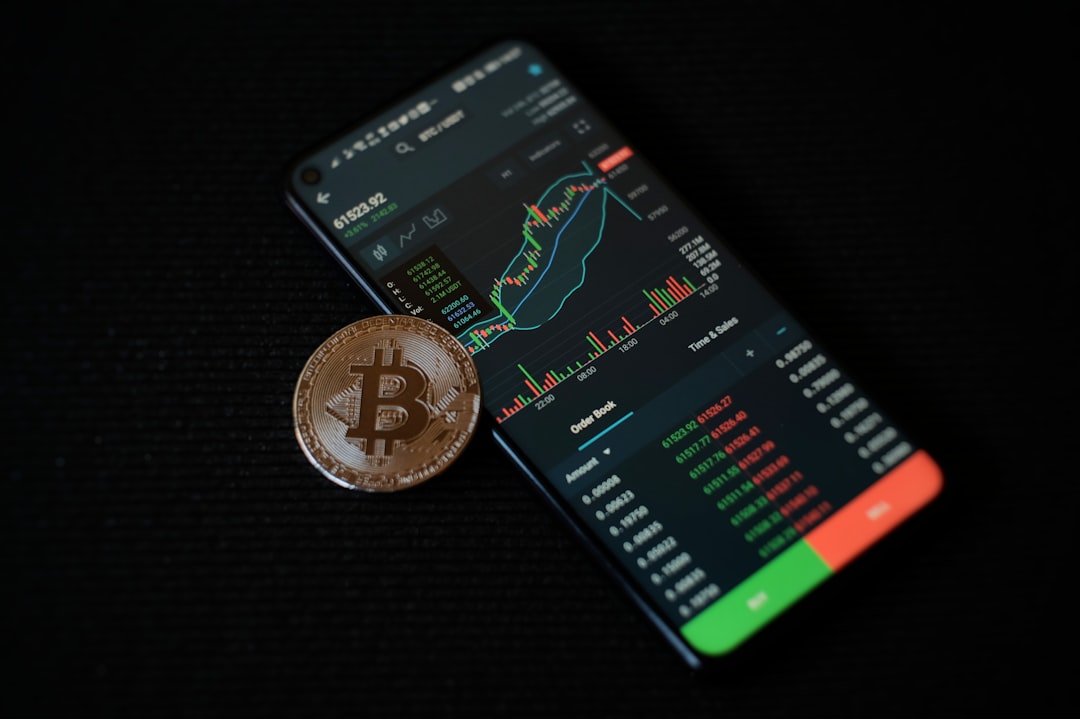
In the evolving world of cryptocurrency, privacy and security remain top priorities for many users. Bitcoin (BTC) is the most widely recognized digital currency, but its transparent blockchain can expose transaction histories. Monero (XMR), on the other hand, is a privacy-focused cryptocurrency that obscures sender, receiver, and amount details. For those seeking enhanced anonymity, learning how to convert BTC to Monero is essential. This guide provides a comprehensive overview of the best methods, tools, and considerations when exchanging Bitcoin for Monero.
Whether you're a seasoned crypto trader or a privacy-conscious individual, understanding the process of converting BTC to Monero can help you protect your financial data. Below, we explore various platforms, step-by-step instructions, and key factors to consider before making the swap.
---Why Convert Bitcoin to Monero? Understanding the Benefits
Before diving into the convert BTC to Monero process, it's important to understand why users choose this exchange. Monero's privacy features make it a preferred option for those who value anonymity in their financial transactions.
The Privacy Advantage of Monero
Monero uses advanced cryptographic techniques, including ring signatures, stealth addresses, and confidential transactions, to ensure that transactions are untraceable. Unlike Bitcoin, where every transaction is recorded on a public ledger, Monero's blockchain hides all transaction details by default. This makes it nearly impossible to link transactions to specific individuals.
For users concerned about financial surveillance or tracking, converting BTC to Monero provides a layer of privacy that Bitcoin cannot offer. This is particularly valuable for individuals in regions with strict financial regulations or those who wish to keep their spending habits private.
Use Cases for BTC to XMR Conversion
- Privacy-Conscious Transactions: When making purchases or donations, Monero ensures that your financial activity remains confidential.
- Hedging Against Market Volatility: Some traders convert BTC to Monero to diversify their portfolio while maintaining a degree of anonymity.
- Bypassing Exchange Restrictions: Certain exchanges or jurisdictions may impose limits on Bitcoin transactions. Monero's privacy features can help users avoid unnecessary scrutiny.
- Avoiding Blockchain Analysis: Bitcoin transactions can be analyzed using blockchain forensics tools. Converting to Monero breaks this chain of traceability.
By converting BTC to Monero, users gain control over their financial privacy while still participating in the broader cryptocurrency ecosystem.
---Top Methods to Convert BTC to Monero Securely
There are several ways to convert BTC to Monero, each with its own advantages and risks. Below, we outline the most reliable methods, from peer-to-peer exchanges to automated mixing services.
1. Cryptocurrency Exchanges (Centralized and Decentralized)
Centralized exchanges (CEXs) and decentralized exchanges (DEXs) are the most straightforward platforms for converting BTC to Monero. However, they come with different levels of privacy and security.
Centralized Exchanges (CEXs)
Popular centralized exchanges like Binance, Kraken, and Huobi support BTC to XMR trading pairs. These platforms are user-friendly and offer high liquidity, but they require identity verification (KYC) for most users.
- Pros:
- High liquidity and fast transactions
- User-friendly interfaces
- Support for multiple trading pairs
- Cons:
- Mandatory KYC verification
- Potential exposure of transaction history
- Withdrawal limits based on verification level
If privacy is a priority, using a centralized exchange may not be the best option due to KYC requirements. However, some users still prefer CEXs for their reliability and ease of use.
Decentralized Exchanges (DEXs)
Decentralized exchanges like Bisq, AtomicDEX, and THORChain allow users to trade cryptocurrencies without KYC. These platforms operate on blockchain networks, ensuring that users retain control over their funds.
- Pros:
- No KYC requirements
- Enhanced privacy and security
- Non-custodial trading (users keep their private keys)
- Cons:
- Lower liquidity compared to CEXs
- Slower transaction speeds
- More complex user interfaces
For those looking to convert BTC to Monero without revealing their identity, decentralized exchanges are an excellent choice. However, users should be prepared for a steeper learning curve.
2. Peer-to-Peer (P2P) Platforms
Peer-to-peer platforms like LocalMonero, Bisq, and Paxful facilitate direct trades between buyers and sellers. These platforms connect users globally, allowing for private and secure exchanges.
How P2P Exchanges Work
On a P2P platform, you can find individuals willing to trade BTC for XMR. The process typically involves:
- Creating an account on the P2P platform.
- Browsing available offers to find a suitable trade.
- Initiating a trade with a trusted seller or buyer.
- Completing the transaction using an escrow service to ensure security.
P2P platforms are ideal for those who want to convert BTC to Monero without involving a third-party exchange. However, users must exercise caution to avoid scams and ensure they are trading with reputable individuals.
Advantages of P2P Trading
- Enhanced Privacy: No KYC requirements mean your identity remains undisclosed.
- Flexible Payment Methods: Users can choose from various payment options, including bank transfers, cash deposits, and digital wallets.
- Global Accessibility: P2P platforms connect users from different countries, making it easier to find a suitable trade.
While P2P trading offers significant privacy benefits, it requires due diligence to avoid fraudulent activities.
3. Bitcoin Mixers and Monero Conversion Services
For users who prioritize anonymity above all else, Bitcoin mixers (also known as tumblers) can be used to obscure the source of funds before converting them to Monero. This method is particularly useful for those concerned about blockchain analysis.
How Bitcoin Mixers Work
A Bitcoin mixer pools together transactions from multiple users, making it difficult to trace the origin of funds. After mixing, the cleaned Bitcoin can be exchanged for Monero through a privacy-focused service.
Popular Bitcoin mixers include Bitcoin Mixer, MixTum, and ChipMixer. These services typically charge a small fee (usually 1-3%) for their mixing services.
Steps to Convert Mixed BTC to Monero
- Deposit BTC into a Mixer: Send your Bitcoin to the mixer's address.
- Wait for Mixing: The mixer combines your BTC with other users' funds, breaking the transaction trail.
- Receive Clean BTC: After mixing, the service sends you Bitcoin from a different address.
- Convert to Monero: Use a privacy-focused exchange or P2P platform to convert BTC to Monero.
While Bitcoin mixers enhance privacy, they are not without risks. Some mixers may be operated by scammers, and users should research thoroughly before using these services.
4. Automated Privacy Services
Several automated services specialize in converting Bitcoin to Monero while preserving anonymity. These platforms combine mixing, exchange, and withdrawal into a single process, simplifying the convert BTC to Monero experience.
Examples of such services include BTC to XMR, Monero Swap, and MorphToken. These platforms allow users to send Bitcoin and receive Monero directly, often without requiring KYC.
How Automated Privacy Services Operate
- Input Transaction Details: Enter the amount of BTC you wish to convert and your Monero wallet address.
- Send Bitcoin: Transfer the specified amount of BTC to the service's address.
- Receive Monero: The service processes the transaction and sends XMR to your wallet after a short delay (to prevent tracking).
Automated privacy services are convenient and efficient, but users should verify the service's reputation and security measures before using them.
---Step-by-Step Guide: How to Convert BTC to Monero Safely
Now that you understand the different methods for converting BTC to Monero, let's walk through a step-by-step guide for the most secure and private approach.
Step 1: Choose a Privacy-Focused Method
If anonymity is your top priority, consider using a P2P platform or an automated privacy service. For those willing to trade off some privacy for convenience, decentralized exchanges may be a better option.
Step 2: Set Up Your Wallets
Before initiating the convert BTC to Monero process, ensure you have the following wallets ready:
- Bitcoin Wallet: A wallet that supports Bitcoin transactions (e.g., Ledger, Trezor, or Electrum).
- Monero Wallet: A wallet that supports Monero (e.g., Monero GUI, MyMonero, or Cake Wallet).
For maximum privacy, use non-custodial wallets where you control your private keys.
Step 3: Select a Reliable Platform
Based on your chosen method, select a platform that aligns with your privacy and security needs. For example:
- For P2P Trading: LocalMonero or Bisq
- For Automated Privacy: BTC to XMR or MorphToken
- For Decentralized Exchanges: AtomicDEX or THORChain
Always research the platform's reputation, fees, and user reviews before proceeding.
Step 4: Initiate the Transaction
Follow the platform's instructions to initiate the convert BTC to Monero process. This typically involves:
- Entering the amount of BTC you wish to convert.
- Providing your Monero wallet address for the XMR deposit.
- Confirming the transaction details and fees.
For P2P platforms, you may need to communicate with the other party to finalize the trade.
Step 5: Verify the Transaction
After sending your Bitcoin, monitor the transaction on a blockchain explorer like Blockstream.info or Blockchair. Once the transaction is confirmed, the platform will process the conversion and send Monero to your wallet.
For added security, consider using a blockchain explorer that supports privacy features, such as Monero's official block explorer.
Step 6: Secure Your Monero
Once you receive your Monero, transfer it to a secure wallet if it's not already there. For long-term storage, consider using a hardware wallet like Ledger or Trezor.
Additionally, enable two-factor authentication (2FA) on your Monero wallet and keep your private keys offline to prevent unauthorized access.
---Key Considerations When Converting BTC to Monero
While converting BTC to Monero offers significant privacy benefits, there are several factors to keep in mind to ensure a smooth and secure transaction.
1. Transaction Fees and Exchange Rates
Different platforms charge varying fees for converting Bitcoin to Monero. Centralized exchanges typically have lower fees but may require KYC. P2P platforms and automated services may charge higher fees but offer better privacy.
Additionally, exchange rates fluctuate frequently. Use a reliable price tracking tool like CoinGecko or CoinMarketCap to compare rates across platforms before making a trade.
2. Security Risks and Scams
When converting BTC to Monero, be aware of potential security risks, including:
- Phishing Attacks: Fake websites or emails may trick users into revealing their wallet credentials.
- Scam P2P Traders: Some users on P2P platforms may attempt to scam others by not honoring the trade agreement.
- Malicious Mixers: Not all Bitcoin mixers are trustworthy. Some may steal funds or fail to deliver clean Bitcoin.
To mitigate these risks, always verify the legitimacy of a platform or trader before proceeding with a transaction. Use trusted sources like Reddit, BitcoinTalk, or Trustpilot to check reviews and feedback.
3. Regulatory Compliance
While Monero prioritizes privacy, some jurisdictions have imposed restrictions on its use. For example, certain exchanges may refuse to list Monero due to regulatory concerns. Additionally, some countries have banned privacy coins altogether.
Before converting BTC to Monero, research the legal status of Monero in your country to avoid potential legal issues. If you're in a region with strict regulations, consider using a VPN or Tor to mask your IP address during the transaction.
4. Timing and Market Conditions
Cryptocurrency prices are highly volatile, and timing your convert BTC to Monero transaction can impact your returns. Monitor market trends and consider using tools like TradingView to analyze price movements.
Additionally, some platforms may impose withdrawal limits or delays during periods of high network congestion. Plan your transaction accordingly to avoid unnecessary delays.
---Best Practices for Privacy and Security When Converting BTC to Monero
To ensure a safe and private convert BTC to Monero experience, follow these best practices:
1. Use a VPN or Tor for Anonymity
When accessing cryptocurrency platforms, use a Virtual Private Network (VPN) or Tor Browser to mask your IP address. This prevents third parties from tracking your online activity and linking it to your transactions.
Popular VPN services like NordVPN, ExpressVPN, or ProtonVPN offer strong privacy protections. For even greater anonymity, consider using Tor, which routes your internet traffic through multiple nodes to obscure your location.
2. Enable Two-Factor Authentication (2FA)
Most cryptocurrency platforms and wallets support 2FA, which adds an extra layer of security to your account. Enable 2FA using an app like Google Authenticator or Authy to prevent unauthorized access.
Additionally, consider using a hardware wallet for storing your Monero, as it provides the highest level of security against hacking attempts.
3. Avoid Reusing Addresses
To maintain privacy, avoid reusing Bitcoin or Monero addresses. Each transaction should use a new address to prevent blockchain analysis tools from linking your transactions.
Most modern wallets, such as Electrum for Bitcoin and Monero GUI, automatically generate new addresses for each transaction. If your wallet doesn't support this feature, consider upgrading to a more privacy-focused wallet.
4. Test with Small Amounts First
Before converting a large amount of Bitcoin to Monero, test the process with a small transaction. This allows you to verify that the platform or service works as expected and that you receive the correct amount of Monero.
Testing with a small amount also helps you identify any potential issues, such as delays or incorrect wallet addresses, before committing to a larger transaction.
5. Keep Your Private Keys Secure
Your private keys are the key to your cryptocurrency holdings. Never share them with anyone, and store them in a secure location, such as a hardware wallet

As a DeFi and Web3 analyst, I’ve observed that converting Bitcoin (BTC) to Monero (XMR) is a strategic move that aligns with privacy-conscious investors seeking to leverage the strengths of both networks. Bitcoin, while dominant in market capitalization, is inherently transparent due to its public ledger, making it unsuitable for users prioritizing financial privacy. Monero, on the other hand, offers robust privacy features through ring signatures, stealth addresses, and confidential transactions, ensuring fungibility and anonymity. The process of converting BTC to XMR typically involves using decentralized exchanges (DEXs) like Bisq or Haveno, or centralized exchanges (CEXs) that support cross-chain swaps. However, users must exercise caution—privacy-focused exchanges may have lower liquidity, and regulatory scrutiny can impact availability. For those prioritizing anonymity, a peer-to-peer (P2P) approach with tools like LocalMonero or atomic swaps via protocols like COMIT can mitigate exposure to centralized entities.
From a practical standpoint, the conversion process should be approached with a clear understanding of on-chain fees, slippage risks, and the trade-offs between decentralization and convenience. While centralized exchanges offer simplicity, they often require KYC compliance, which undermines the privacy benefits of Monero. Decentralized alternatives, though more cumbersome, preserve anonymity but may suffer from higher fees or slower transaction times. For yield-focused DeFi users, converting BTC to XMR could also serve as a precursor to participating in privacy-preserving liquidity pools or lending protocols that support Monero. Ultimately, the decision to convert BTC to Monero hinges on the user’s priorities—whether it’s financial privacy, regulatory avoidance, or strategic positioning within the Web3 ecosystem. Always conduct due diligence, use reputable tools, and consider the long-term implications of your transaction strategy.