How to Safely Prefund a Burner Wallet from a Mixer: A Step-by-Step Guide
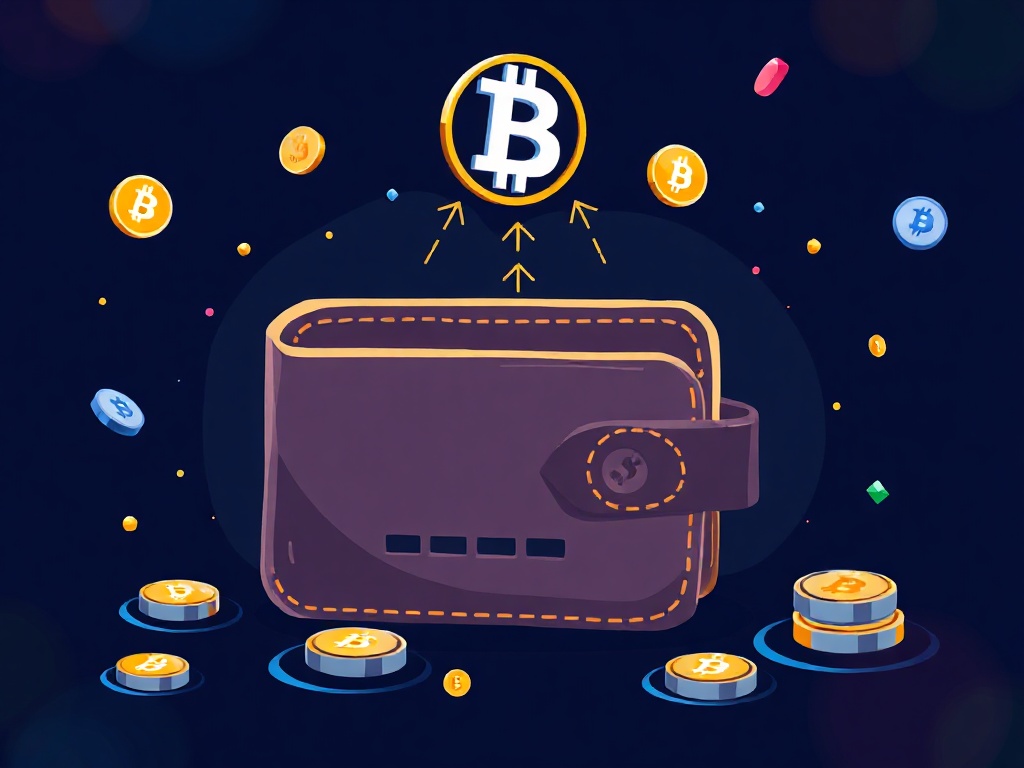
In the evolving landscape of cryptocurrency privacy, prefunding a burner wallet from a mixer has become a critical strategy for users seeking to enhance their anonymity and security. Whether you're a privacy advocate, a trader, or someone looking to protect your financial transactions, understanding how to effectively prefund a burner wallet from a mixer can provide an additional layer of protection against surveillance and tracking.
This comprehensive guide will walk you through the entire process, from selecting the right tools to executing secure transactions. We'll explore the benefits, risks, and best practices associated with prefunding a burner wallet from a mixer, ensuring you can navigate this process with confidence and caution.
---Understanding Burner Wallets and Mixers in Cryptocurrency
Before diving into the mechanics of prefunding a burner wallet from a mixer, it's essential to grasp the foundational concepts behind burner wallets and cryptocurrency mixers. These tools serve distinct but complementary roles in preserving financial privacy.
What Is a Burner Wallet?
A burner wallet is a temporary cryptocurrency wallet created for a single use or short-term transaction. Unlike long-term storage solutions such as hardware wallets, burner wallets are designed to be discarded after use to prevent any link between your identity and the funds. They are particularly useful in scenarios where you need to receive funds without exposing your primary wallet or personal information.
Key characteristics of burner wallets include:
- Temporary Use: Created for one-time or limited transactions.
- No Personal Information: Typically generated without KYC requirements.
- Disposable: Can be abandoned or destroyed after use.
- Privacy-Focused: Minimizes exposure of your main wallet address.
What Is a Cryptocurrency Mixer?
A cryptocurrency mixer, also known as a tumbler, is a service that obfuscates the origin and destination of digital assets by mixing them with other users' funds. This process breaks the on-chain link between sender and receiver, making it significantly harder for third parties to trace transactions.
Mixers operate by:
- Pooling Funds: Users deposit cryptocurrency into a shared pool.
- Shuffling Transactions: The mixer redistributes funds to new addresses, often from different sources.
- Returning Clean Coins: Users receive an equivalent amount minus a fee, but from unrelated addresses.
Popular mixers include Wasabi Wallet, Samourai Wallet, and centralized services like Bitmix. However, it's important to note that the use of mixers may be restricted or monitored in certain jurisdictions due to regulatory concerns.
Why Combine Burner Wallets with Mixers?
By prefunding a burner wallet from a mixer, you create a multi-layered privacy shield. Here’s why this combination is powerful:
- Enhanced Anonymity: The mixer breaks the transaction trail, and the burner wallet ensures no direct link to your identity.
- Reduced Risk of Exposure: Even if one component is compromised, the other remains secure.
- Flexibility: Useful for one-time payments, donations, or receiving funds without long-term exposure.
- Protection Against Surveillance: Mitigates risks from blockchain analysis firms and malicious actors.
The Benefits of Prefunding a Burner Wallet from a Mixer
Integrating a mixer with a burner wallet offers several compelling advantages, especially for users prioritizing privacy in their financial activities.
1. Enhanced Privacy and Anonymity
When you prefund a burner wallet from a mixer, you sever the direct connection between your source of funds and the destination wallet. This is particularly valuable in an era where blockchain forensics tools can trace transactions across public ledgers with increasing accuracy.
For example, if you receive Bitcoin from an exchange that requires KYC, and then send it directly to a merchant, the merchant can potentially trace the funds back to your identity. By routing the funds through a mixer first, and then into a burner wallet, you obscure this trail entirely.
2. Protection Against Address Reuse
Address reuse is a common privacy pitfall in cryptocurrency. Many users inadvertently expose their transaction history by using the same address multiple times. A burner wallet, by design, is used once and then discarded, preventing such reuse.
When combined with a mixer, the funds entering the burner wallet are already "clean," meaning they have no historical association with your identity or other addresses. This dual-layer approach minimizes the risk of address clustering attacks.
3. Security Against Targeted Attacks
Sophisticated attackers may monitor your primary wallet or exchange accounts to track your spending patterns. By prefunding a burner wallet from a mixer, you introduce a layer of unpredictability. Even if your main wallet is compromised, the burner wallet remains isolated and untraceable.
This strategy is particularly useful for high-net-worth individuals, journalists, or activists operating in high-risk environments.
4. Compliance with Privacy Best Practices
For users who adhere to privacy best practices—such as those outlined in the Bitcoin Privacy Guide or Monero’s Privacy Principles—prefunding a burner wallet from a mixer aligns with the principle of minimizing metadata exposure. It ensures that no single point in your transaction chain reveals your full financial footprint.
---Step-by-Step: How to Safely Prefund a Burner Wallet from a Mixer
Executing this process correctly requires careful planning and attention to detail. Below is a step-by-step guide to safely prefund a burner wallet from a mixer.
Step 1: Choose a Reliable Cryptocurrency Mixer
Not all mixers are created equal. When selecting a mixer, consider the following factors:
- Reputation: Look for mixers with a proven track record and positive community feedback.
- Transparency: Some mixers provide open-source code or third-party audits.
- Supported Cryptocurrencies: Ensure the mixer supports the coin you intend to use (e.g., Bitcoin, Monero).
- Fees: Compare fees, which typically range from 0.5% to 3%.
- User Interface: A clean, intuitive interface reduces the risk of user error.
Popular options include:
- Wasabi Wallet: Open-source, CoinJoin-based mixer integrated into a Bitcoin wallet.
- Samourai Wallet: Offers Whirlpool CoinJoin for Bitcoin users.
- Bitmix: Centralized service with a user-friendly interface (use with caution due to centralization).
- HYDRA: A privacy-focused mixer for Bitcoin and other cryptocurrencies.
Important: Avoid mixers that require extensive personal information or have a history of exit scams. Always use trusted community-recommended services.
Step 2: Prepare Your Source of Funds
Before using a mixer, ensure your source funds are clean and not already tainted by illicit activity. Mixers are most effective when used with legitimate, previously untainted coins.
If you're withdrawing from an exchange:
- Use a non-KYC exchange if possible (e.g., Bisq, HodlHodl).
- Avoid sending funds directly from a KYC exchange to a mixer, as this may create a traceable link.
- Consider using a peer-to-peer (P2P) service to acquire Bitcoin without identity verification.
If you're using funds from another wallet:
- Ensure the wallet has no prior association with your identity.
- Avoid using funds that have been previously mixed or involved in suspicious activity.
Step 3: Initiate the Mixing Process
Once you've selected a mixer and prepared your funds, follow these steps to mix your cryptocurrency:
- Access the Mixer: Visit the mixer’s website or open the wallet app (e.g., Wasabi or Samourai).
- Generate a Deposit Address: The mixer will provide a unique address to send your funds to.
- Send Funds: Transfer the desired amount from your source wallet to the mixer’s address. Include a small amount for fees.
- Set Mixing Parameters: Some mixers allow you to choose the number of mix rounds or delay times to enhance privacy.
- Wait for Confirmation: The mixer will process your transaction and pool it with other users' funds.
- Receive Cleaned Funds: After mixing, the mixer will send the equivalent amount (minus fees) to a new address you control.
Pro Tip: For maximum privacy, use multiple mix rounds and vary the amounts slightly to avoid pattern recognition.
Step 4: Create a Burner Wallet
Now that your funds are clean, it's time to prefund a burner wallet from a mixer. A burner wallet should be:
- Generated offline or using a privacy-focused wallet app.
- Never associated with your identity or primary wallet.
- Used only once and then discarded.
To create a burner wallet:
- Use a Privacy-Focused Wallet: Options include Electrum (with Tor), Wasabi Wallet, or Sparrow Wallet.
- Generate Offline: For maximum security, generate the wallet on an air-gapped device.
- Store the Seed Phrase Securely: Write it down on paper and store it in a safe location. Never store it digitally.
- Receive Funds: Send the mixed funds from the mixer to this burner wallet address.
- Making anonymous donations.
- Receiving payments without exposing your identity.
- Purchasing goods or services from privacy-focused merchants.
- Engaging in peer-to-peer transactions.
- Sweeping the remaining funds to another clean address.
- Deleting the wallet software and wiping the device (if necessary).
- Avoiding reuse of the wallet or its addresses.
- No clear privacy policy or terms of service.
- Requiring email or phone number verification.
- Lack of community reviews or developer transparency.
- Unusually low fees (could indicate a scam).
- Vary the amount slightly (e.g., 0.098 BTC, 0.102 BTC).
- Use different timing intervals between transactions.
- Mix larger amounts in multiple smaller transactions to avoid pattern recognition.
- Use a VPN or Tor network when accessing mixers or wallets.
- Avoid mixing from the same IP address repeatedly.
- Use a dedicated device or virtual machine for privacy-sensitive operations.
- Writing the seed phrase on paper and storing it in a secure location.
- Using a dedicated, offline device for wallet generation and use.
- Avoiding cloud backups or digital storage of sensitive information.
- Send funds to Mixer A.
- Receive cleaned funds and send them to Mixer B.
- Finally, send the output to your burner wallet.
- Stealth Addresses: Recipients generate one-time addresses to prevent address reuse.
- Ring Signatures: Obfuscate the sender’s identity by mixing transactions.
- Confidential Transactions: Hide the transaction amount on the blockchain.
- Use a mixer to clean your Bitcoin.
- Open a Lightning channel with a privacy-focused node.
- Route funds through the Lightning Network to your burner wallet.
- Join CoinJoin pools with a large number of participants.
- Use varying amounts to avoid pattern recognition.
Note: Avoid using hardware wallets for burner wallets, as they are typically long-term storage devices. Instead, use software wallets designed for one-time use.
Step 5: Use the Burner Wallet for Its Intended Purpose
With your burner wallet now funded, you can use it for transactions where privacy is paramount. Common use cases include:
Once the transaction is complete, you can safely discard the burner wallet by:
Common Mistakes to Avoid When Prefunding a Burner Wallet from a Mixer
While the process may seem straightforward, several pitfalls can compromise your privacy. Being aware of these mistakes will help you prefund a burner wallet from a mixer more effectively.
1. Using a Mixer with Poor Reputation
Not all mixers prioritize user privacy or security. Some may log IP addresses, retain transaction data, or even steal funds. Always research a mixer thoroughly before using it.
Red flags include:
2. Reusing Addresses or Wallets
One of the cardinal rules of cryptocurrency privacy is to never reuse addresses. If you send funds from your burner wallet to another address and then reuse the burner wallet for a second transaction, you create a link that defeats the purpose of mixing.
Always treat a burner wallet as disposable. Once used, consider it compromised and avoid reusing it.
3. Mixing Small or Round Amounts
Mixers work best when transactions are varied in amount and timing. Sending exactly 0.1 BTC every time can make it easier for blockchain analysts to trace your activity.
Instead:
4. Ignoring Network-Level Privacy
Mixing only addresses the on-chain privacy issue. However, your IP address and metadata can still be exposed if you're not using proper network-level protections.
To enhance privacy:
5. Failing to Secure Your Burner Wallet
A burner wallet is only as secure as its weakest link. If you store the seed phrase digitally or on a device connected to the internet, you risk losing your funds or exposing your privacy.
Best practices for securing a burner wallet include:
Advanced Strategies for Enhanced Privacy When Prefunding a Burner Wallet from a Mixer
For users seeking the highest level of privacy, advanced techniques can further obscure your financial footprint when prefunding a burner wallet from a mixer.
1. Multi-Stage Mixing with Different Mixers
Instead of using a single mixer, consider chaining multiple mixers to increase the complexity of the transaction trail. For example:
This multi-stage approach makes it exponentially harder for analysts to trace the origin of your funds.
2. Using Stealth Addresses and Confidential Transactions
While Bitcoin does not natively support stealth addresses, privacy-focused coins like Monero do. If you're open to using alternative cryptocurrencies, Monero offers superior privacy features, including:
You can prefund a burner wallet from a mixer using Monero by first mixing your XMR in a service like Monero Mixer or XMR.TO, then converting it to Bitcoin via a privacy-focused exchange like Bisq or HodlHodl.
3. Leveraging Lightning Network for Off-Chain Privacy
The Lightning Network offers an off-chain solution for fast and private transactions. While it doesn’t replace the need for on-chain mixing, it can be used in conjunction with prefunding a burner wallet from a mixer to enhance privacy.
For example:
This approach reduces on-chain footprint and adds another layer of obfuscation.
4. Using CoinJoin with Multiple Participants
CoinJoin is a privacy technique where multiple users combine their transactions into a single transaction, making it difficult to determine who sent what. Wallets like Wasabi and Samourai facilitate CoinJoin natively.
To maximize privacy:

Strategic Considerations for Prefunding a Burner Wallet from a Mixer
As the Blockchain Research Director at a leading fintech consultancy, I’ve observed that the practice of prefunding a burner wallet from a mixer is increasingly adopted by privacy-conscious users and institutional actors navigating regulatory scrutiny. From a technical standpoint, mixers—such as Tornado Cash or Wasabi Wallet—serve as critical tools for obfuscating transaction trails by pooling and redistributing funds across multiple addresses. However, the prefunding step introduces nuanced risks that must be carefully managed. Users should prioritize mixers with audited smart contracts and transparent governance to mitigate smart contract vulnerabilities, which remain a persistent threat in decentralized finance. Additionally, the choice of blockchain layer—whether Ethereum, Arbitrum, or others—can significantly impact gas costs and finality, making it essential to align the prefunding strategy with operational efficiency goals.
Practically, the process of prefunding a burner wallet from a mixer requires a multi-layered approach to ensure both privacy and compliance. First, users must assess the mixer’s fee structure and withdrawal limits, as these factors influence the feasibility of large-scale prefunding. Second, integrating a time-lock mechanism or multi-signature requirement can add an extra layer of security, particularly for institutional deployments where operational oversight is critical. I’ve also noted that cross-chain interoperability solutions, such as LayerZero or Wormhole, can enhance the flexibility of burner wallet prefunding by enabling seamless asset transfers across ecosystems. Ultimately, while mixers provide a powerful tool for financial privacy, their misuse—whether through negligence or malicious intent—can attract regulatory penalties or exploit risks. Therefore, a well-defined prefunding strategy, coupled with rigorous due diligence, is indispensable for sustainable adoption.