How to Use a VPN with a Crypto Exchange: A Complete Guide for Secure Trading
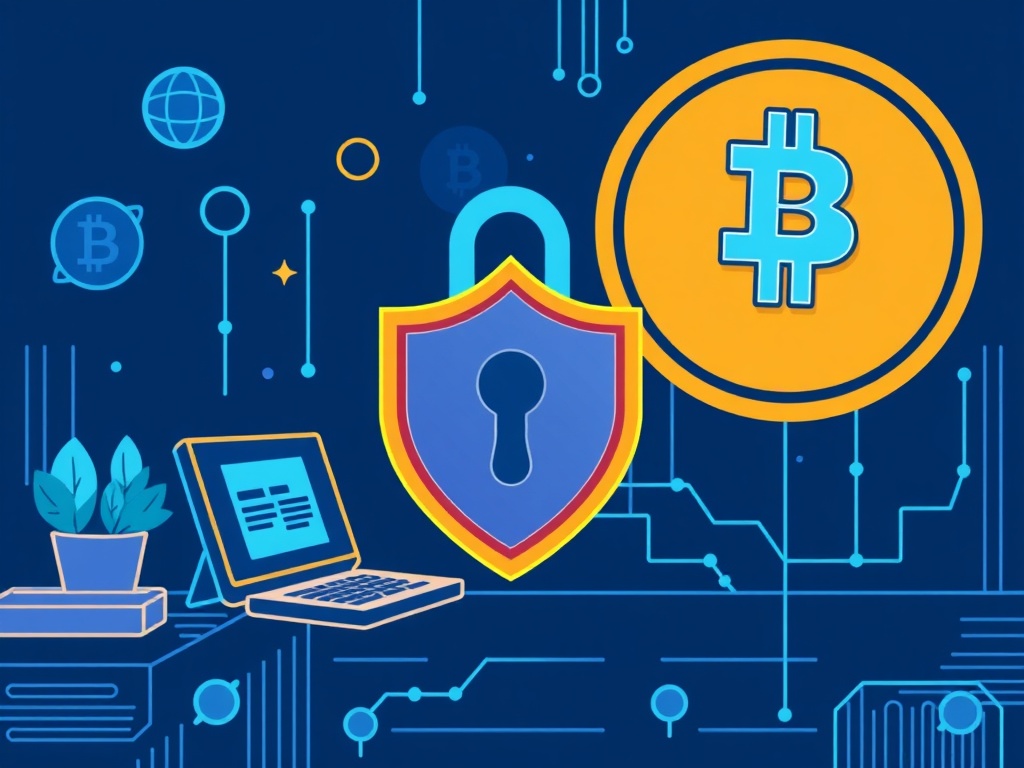
In the fast-evolving world of cryptocurrency, security and privacy are paramount. Whether you're trading Bitcoin, Ethereum, or any other digital asset, protecting your online activity from prying eyes is essential. One of the most effective ways to enhance your security when using a crypto exchange is by combining it with a Virtual Private Network (VPN). This guide will walk you through everything you need to know about how to use a VPN with a crypto exchange, ensuring your transactions remain private, your data stays secure, and your funds are protected from potential threats.
Using a VPN with a crypto exchange isn’t just about anonymity—it’s about safeguarding your financial activities in an environment where cyber threats, government surveillance, and hacking attempts are increasingly common. By masking your IP address and encrypting your internet connection, a VPN adds an extra layer of security that can prevent unauthorized access to your account and transactions. In this comprehensive guide, we’ll explore the benefits, step-by-step setup, best practices, and common pitfalls to avoid when integrating a VPN with your preferred crypto exchange.
Why Use a VPN with a Crypto Exchange?
Before diving into the technical steps, it’s important to understand why using a VPN with a crypto exchange is a smart move. Below are the key reasons why traders and investors should consider this combination:
The Importance of Privacy in Crypto Trading
Cryptocurrency transactions are designed to be pseudonymous, but your IP address can still reveal your location and online behavior. When you connect to a crypto exchange without a VPN, your real IP address is exposed, which can be used to track your trading patterns, identify your geographic location, and even target you for phishing attacks. A VPN hides your IP address by routing your connection through a secure server in another location, making it nearly impossible for third parties to trace your activities back to you.
Enhanced Security Against Cyber Threats
Crypto exchanges are prime targets for hackers due to the high value of digital assets stored on their platforms. Even if an exchange has robust security measures, your personal device or local network might not. A VPN encrypts all data transmitted between your device and the exchange, protecting you from man-in-the-middle attacks, Wi-Fi snooping, and other cyber threats. This is especially crucial when using public Wi-Fi networks, which are notorious for being insecure.
Avoiding Geographic Restrictions and Censorship
Some countries impose restrictions on cryptocurrency trading, either by banning certain exchanges or limiting access to financial services. A VPN allows you to bypass these restrictions by connecting to a server in a country where crypto trading is permitted. For example, if you’re traveling in a region where your preferred exchange is blocked, you can still access it by connecting to a VPN server in a supported country. This flexibility ensures you never miss out on trading opportunities due to geographic limitations.
Preventing IP-Based Account Bans or Restrictions
Some crypto exchanges implement IP-based restrictions to prevent fraud or comply with local regulations. If your IP address is flagged for suspicious activity (even if it’s a false positive), you might face temporary bans or enhanced verification requirements. By using a VPN, you can switch to a different IP address, reducing the risk of being unfairly restricted. This is particularly useful for traders who frequently travel or use multiple devices.
In summary, using a VPN with a crypto exchange provides privacy, security, and flexibility—three critical factors for any serious trader or investor. Now that you understand the benefits, let’s move on to the practical steps of setting up and using a VPN with your crypto exchange.
Choosing the Right VPN for Crypto Trading
Not all VPNs are created equal, especially when it comes to cryptocurrency trading. Some VPN providers log user data, have slow speeds, or lack the necessary security features to protect your transactions. Below are the key factors to consider when selecting a VPN for use with a crypto exchange:
Key Features to Look for in a VPN
- No-Logs Policy: The VPN should have a strict no-logs policy, meaning it doesn’t store any information about your online activities. This ensures that even if the VPN provider is subpoenaed, there’s no data to hand over. Look for providers that have been independently audited to verify their claims.
- Strong Encryption: The VPN should use industry-standard encryption protocols like OpenVPN, WireGuard, or IKEv2/IPsec. AES-256 encryption is the gold standard for securing data transmissions.
- Kill Switch: A kill switch automatically disconnects your internet connection if the VPN connection drops, preventing your real IP address from being exposed. This is crucial when trading, as even a brief interruption could compromise your security.
- Fast Speeds: Crypto trading requires low latency and fast connection speeds. Choose a VPN with servers optimized for speed and minimal bandwidth throttling.
- Wide Server Network: A diverse server network allows you to connect to different countries, helping you bypass geographic restrictions and access exchanges that might be blocked in your region.
- Multi-Device Support: If you trade on multiple devices (e.g., laptop, smartphone, tablet), ensure the VPN supports simultaneous connections or has dedicated apps for each platform.
Top VPN Providers for Crypto Exchanges
Based on the above criteria, here are some of the best VPN providers for crypto trading in 2024:
- NordVPN: Known for its robust security features, including double VPN encryption, a strict no-logs policy, and a vast server network. NordVPN also offers a kill switch and fast speeds, making it ideal for crypto trading.
- ExpressVPN: A premium VPN with excellent speeds, strong encryption, and a user-friendly interface. ExpressVPN is particularly well-suited for bypassing geographic restrictions.
- Surfshark: A budget-friendly option that doesn’t compromise on security. Surfshark offers unlimited simultaneous connections, making it great for traders with multiple devices.
- ProtonVPN: A privacy-focused VPN developed by the creators of ProtonMail. ProtonVPN has a strict no-logs policy and is based in Switzerland, which has strong privacy laws.
- CyberGhost: A user-friendly VPN with dedicated streaming and torrenting servers. While it’s great for beginners, it also offers strong encryption and a no-logs policy.
VPNs to Avoid for Crypto Trading
Not all VPNs are safe for crypto trading. Avoid providers that:
- Have a history of data leaks or breaches.
- Are based in countries with intrusive surveillance laws (e.g., Five Eyes alliance countries like the U.S., U.K., or Australia).
- Offer weak encryption or outdated protocols.
- Have slow speeds or frequent disconnections.
- Log user data or share it with third parties.
Some examples of VPNs to steer clear of include Hola VPN, Betternet, and Psiphon, as they have been known to log user data or lack proper security features.
Once you’ve chosen the right VPN, the next step is setting it up for use with your crypto exchange. We’ll cover this in detail in the following section.
Step-by-Step Guide: How to Use a VPN with a Crypto Exchange
Setting up a VPN with a crypto exchange is a straightforward process, but it’s important to follow the steps carefully to ensure maximum security and privacy. Below is a detailed, step-by-step guide to help you get started.
Step 1: Choose and Install Your VPN
Before you can use a VPN with your crypto exchange, you’ll need to select a provider and install the VPN software on your device. Here’s how to do it:
- Select a VPN Provider: Based on the recommendations in the previous section, choose a VPN that meets your needs for security, speed, and server locations.
- Sign Up and Download: Visit the VPN provider’s website and sign up for an account. Download the appropriate software for your device (Windows, macOS, Linux, Android, or iOS).
- Install the VPN: Follow the installation instructions provided by the VPN. Most VPNs offer one-click installation, making the process quick and easy.
- Log In: Open the VPN application and log in using your credentials.
Step 2: Configure Your VPN for Optimal Security
Once the VPN is installed, you’ll want to configure it to ensure the highest level of security when trading on a crypto exchange. Here’s what to do:
- Enable the Kill Switch: Navigate to the VPN settings and enable the kill switch feature. This will automatically disconnect your internet if the VPN connection drops, preventing your real IP address from being exposed.
- Select the Right Protocol: Choose a secure VPN protocol. OpenVPN and WireGuard are the most recommended for crypto trading due to their balance of speed and security. Avoid older protocols like PPTP, which are easily compromised.
- Choose a Server Location: Select a server location that is close to your physical location for the best speeds, or choose a server in a country where your crypto exchange is available. For example, if you’re using Binance and are located in Europe, connecting to a server in Germany or the Netherlands would be ideal.
- Enable Split Tunneling (Optional): Some VPNs offer split tunneling, which allows you to route only specific traffic (e.g., your crypto exchange) through the VPN while keeping the rest of your internet traffic unencrypted. This can improve speeds for other activities while maintaining security for trading.
Step 3: Connect to the VPN Before Accessing Your Crypto Exchange
It’s crucial to connect to the VPN before accessing your crypto exchange. Here’s why and how to do it:
- Open the VPN Application: Launch the VPN software on your device.
- Connect to a Server: Select a server location and click the connect button. Wait for the VPN to establish a secure connection.
- Verify the Connection: Once connected, verify that your VPN is working by checking your IP address. You can use a tool like WhatIsMyIPAddress.com to confirm that your IP address has changed to the VPN server’s location.
- Access Your Crypto Exchange: Now that your connection is secure, open your web browser or crypto exchange app and log in to your account. Your traffic will be encrypted, and your real IP address will remain hidden.
Step 4: Trade Securely and Monitor Your Connection
With your VPN active, you can now trade on your crypto exchange with added security. However, there are a few additional steps to ensure everything runs smoothly:
- Use Two-Factor Authentication (2FA): Even with a VPN, always enable 2FA on your crypto exchange account. This adds an extra layer of security by requiring a second form of verification (e.g., a code from an authenticator app) when logging in.
- Monitor Your VPN Connection: Keep an eye on your VPN connection throughout your trading session. If the VPN disconnects for any reason, your real IP address could be exposed. Some VPNs offer notifications when the connection drops, so enable these alerts if available.
- Avoid Downloading Files While Trading: While connected to a VPN, avoid downloading files or clicking on suspicious links, as this could potentially expose your device to malware. Stick to trusted sources and keep your antivirus software up to date.
- Log Out When Done: After completing your trades, log out of your crypto exchange account and disconnect from the VPN. This minimizes the window of opportunity for potential security breaches.
Step 5: Troubleshooting Common Issues
Even with a well-configured VPN, you might encounter some issues when using it with a crypto exchange. Below are common problems and their solutions:
- VPN Connection Drops Frequently: If your VPN keeps disconnecting, try switching to a different server or protocol. You can also check your internet connection or contact your VPN provider’s support team for assistance.
- Slow Speeds: VPNs can sometimes slow down your connection due to encryption overhead. To mitigate this, choose a server close to your location and use a fast protocol like WireGuard. You can also try disabling split tunneling if you’re using it.
- Exchange Blocks VPN IPs: Some exchanges block known VPN IP addresses to prevent fraud. If you encounter this issue, try connecting to a different server location or contact your VPN provider to request a new IP address.
- VPN Not Working with the Exchange App: If you’re using a mobile app for your crypto exchange, ensure that the VPN is configured to work with all apps on your device. Some VPNs have settings to exclude certain apps from the VPN tunnel.
By following these steps, you can confidently use a VPN with your crypto exchange while minimizing risks and maximizing security. In the next section, we’ll discuss best practices for using a VPN with crypto exchanges to further enhance your trading experience.
Best Practices for Using a VPN with a Crypto Exchange
Using a VPN with a crypto exchange is a powerful way to enhance your security and privacy, but it’s not a set-it-and-forget-it solution. To get the most out of your VPN, follow these best practices to ensure a seamless and secure trading experience.
Always Use a Reputable VPN Provider
As mentioned earlier, not all VPNs are created equal. Stick to well-known, reputable providers with a proven track record of security and privacy. Avoid free VPNs, as they often come with hidden costs like data logging, ads, or bandwidth throttling. Investing in a premium VPN is a small price to pay for the security of your digital assets.
Regularly Update Your VPN Software
VPN providers frequently release updates to patch security vulnerabilities and improve performance. Always keep your VPN software up to date to ensure you’re protected against the latest threats. Most VPNs offer automatic updates, so enable this feature if available.
Use a Dedicated IP Address (If Available)
Some VPN providers offer dedicated IP addresses, which are assigned only to you and not shared with other users. This can reduce the risk of your IP being flagged by the crypto exchange, as shared IPs are more likely to be associated with suspicious activity. A dedicated IP also provides more stability and faster speeds.
However, dedicated IPs may come at an additional cost, and they can be less anonymous since they’re tied directly to you. Use this option only if you prioritize stability and speed over anonymity.
Combine VPN with Other Security Measures
A VPN is just one layer of security. To fully protect your crypto trading activities, combine it with other security measures:
- Use a Hardware Wallet: Store your cryptocurrency in a hardware wallet (e.g., Ledger or Trezor) instead of leaving it on the exchange. This protects your funds even if the exchange is hacked.
- Enable 2FA: Always enable two-factor authentication on your crypto exchange account. Use an authenticator app like Google Authenticator or Authy instead of SMS-based 2FA, as SMS can be intercepted.
- Use a Secure Password Manager: Create strong, unique passwords for your crypto exchange account and store them in a password manager like Bitwarden or 1Password.
- Keep Your Device Updated: Ensure your operating system, browser, and antivirus software are up to date to protect against known vulnerabilities.
Be Cautious with Public Wi-Fi
While a VPN protects your connection, public Wi-Fi networks are inherently risky. Avoid accessing your crypto exchange or entering sensitive information while connected to public Wi-Fi, even with a VPN. If you must use public Wi-Fi, connect to your VPN before accessing any websites and avoid entering passwords or financial information.
Monitor Your Account Activity
Regularly review your crypto exchange account for any suspicious activity. Set up alerts for login attempts, withdrawals, or changes to your account settings. If you notice any unauthorized activity, act immediately by changing your password, revoking access, and contacting the exchange’s support team.
Use a Separate Browser for Trading
To further isolate your trading activities, consider using a separate browser (e.g., Firefox or Brave) dedicated solely to accessing your crypto exchange. This reduces the risk of cross-site scripting attacks or malware that could compromise your account. Additionally, disable browser extensions that could track your activity or inject malicious code.
Understand the Legal Implications
While VPNs are legal in most countries, some jurisdictions have restrictions on their use, particularly concerning cryptocurrency. For example, some countries require crypto exchanges to comply with Know Your Customer (KYC) and Anti-Money Laundering (AML) regulations, which may limit the effectiveness of VPNs for anonymity. Always research the laws in your country and the country where your VPN server is located to ensure compliance.
By following these best practices, you can maximize the benefits of using a VPN with your crypto exchange while minimizing potential risks. Next, let’s address some frequently asked questions about VPNs

How to Use a VPN with a Crypto Exchange: A Strategic Guide for Traders and Investors
As a digital assets strategist with a background in quantitative finance, I’ve seen firsthand how VPNs can enhance security and operational flexibility when interacting with crypto exchanges. The primary advantage of using a VPN with a crypto exchange is geographic flexibility and IP masking, which allows traders to bypass regional restrictions, access exchange services in restricted jurisdictions, or simply obscure their location for privacy. However, this practice must be approached with caution—many exchanges have policies against VPN usage due to fraud prevention measures, and improper configuration can lead to account restrictions or even bans. My recommendation is to use a reputable, no-logs VPN provider and connect to a server in a jurisdiction where the exchange is fully operational, ensuring compliance with both the platform’s terms of service and local regulations.
Beyond compliance, there are tactical benefits to integrating a VPN into your crypto trading workflow. For instance, reducing latency and avoiding throttling by connecting to a server closer to the exchange’s data center can improve order execution speeds—a critical factor in high-frequency or arbitrage strategies. Additionally, VPNs can help mitigate risks associated with public Wi-Fi networks, where man-in-the-middle attacks are more prevalent. That said, always verify the exchange’s stance on VPN usage in their terms of service and consider using a dedicated IP address if you trade frequently to avoid triggering anti-fraud systems. Ultimately, while a VPN can be a powerful tool for traders, it should be used judiciously, with security and legality as top priorities.