OFAC Removes Tornado Cash Sanctions: A Major Shift in Crypto Compliance
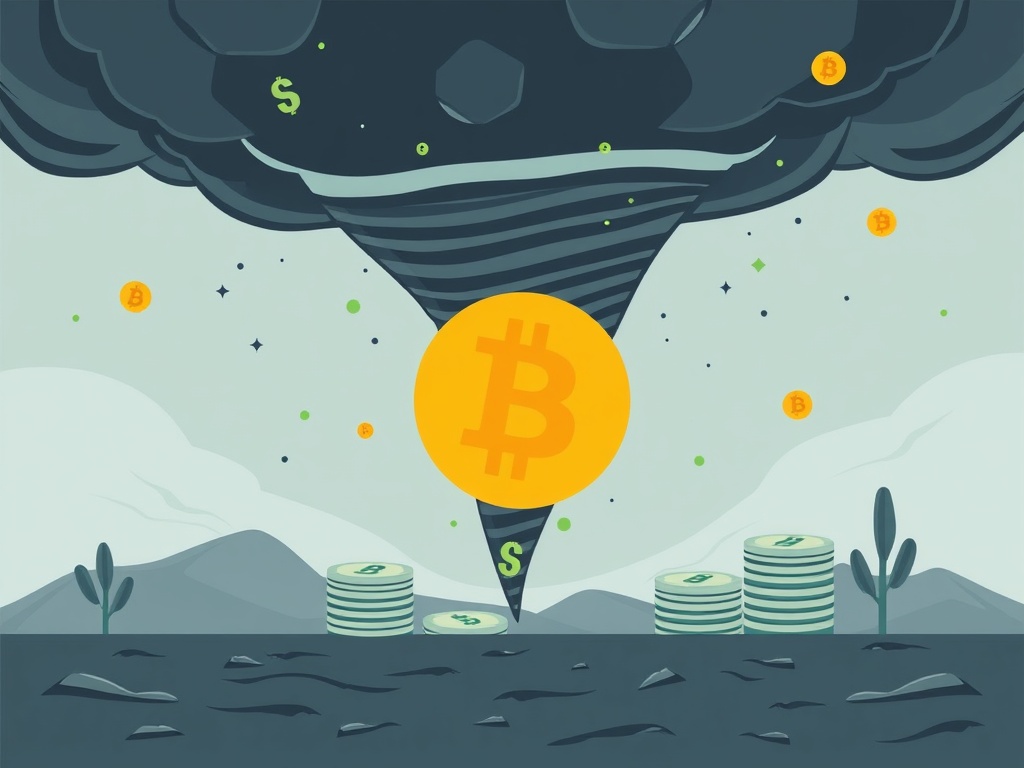
The cryptocurrency landscape is no stranger to regulatory turbulence, but the recent OFAC removes tornado cash sanctions decision has sent shockwaves through the industry. This landmark move by the U.S. Treasury’s Office of Foreign Assets Control (OFAC) marks a pivotal moment in the ongoing debate over decentralized finance (DeFi) and sanctions enforcement. For years, Tornado Cash—a decentralized mixer designed to enhance privacy—has been at the center of controversy, with regulators citing its alleged ties to illicit activities. Now, with sanctions lifted, the implications for crypto compliance, user privacy, and global regulatory frameworks are profound. This article delves into the context, consequences, and controversies surrounding this historic decision.
The Rise and Fall of Tornado Cash
Origins of a Privacy Tool
Launched in 2019, Tornado Cash emerged as a decentralized protocol enabling users to obfuscate the origins of their cryptocurrency transactions. By leveraging smart contracts on the Ethereum blockchain, the platform allowed users to deposit funds into a mixer contract and withdraw them under a new address, effectively severing the link between sender and receiver. This feature appealed to privacy advocates but also drew scrutiny from regulators, who argued that the tool could facilitate money laundering, tax evasion, and other financial crimes.
Regulatory Backlash and Sanctions
In August 2022, OFAC designated Tornado Cash as a “blocked person” under the International Emergency Economic Powers Act (IEEPA), effectively freezing all assets tied to the protocol. This move was part of a broader crackdown on entities perceived to support sanctioned regimes, including North Korea. The sanctions targeted not only the developers of Tornado Cash but also users who interacted with the mixer, creating a chilling effect across the DeFi ecosystem. Critics argued that the broad-brushed approach undermined the principles of decentralization and user autonomy, while proponents hailed it as a necessary step to combat financial crime.
The OFAC Reversal: What Led to the Decision?
Legal and Political Pressures
The reversal of Tornado Cash sanctions came after months of legal battles and public outcry. Developers of the protocol, including its anonymous founder “f0rkr,” filed lawsuits challenging the legality of OFAC’s actions, arguing that the sanctions violated constitutional rights to free speech and due process. Meanwhile, crypto advocacy groups and privacy-focused organizations mobilized campaigns to highlight the tool’s legitimate use cases, such as protecting sensitive financial data from hackers or authoritarian regimes.
Technical and Philosophical Debates
At the heart of the controversy lies a fundamental question: Can a decentralized protocol be held accountable for the actions of its users? Tornado Cash’s code is open-source and operates without centralized control, making it difficult to attribute responsibility for illicit activities. Supporters contended that the protocol itself is neutral, akin to cash or encrypted messaging apps, while detractors emphasized its design as a tool for anonymity, which inherently carries risks. The OFAC decision to remove sanctions reflects a nuanced acknowledgment of these complexities, though it remains a contentious topic within legal and technical communities.
Implications for Crypto Compliance and Privacy
Regulatory Uncertainty and Industry Impact
The removal of Tornado Cash sanctions has introduced a new layer of uncertainty for regulators and crypto firms alike. On one hand, it signals a potential shift toward more nuanced enforcement strategies, focusing on specific bad actors rather than blanket bans. On the other hand, it raises concerns about how regulators will distinguish between legitimate privacy tools and platforms that enable criminal behavior. For businesses operating in the DeFi space, this decision underscores the need for robust compliance frameworks that balance innovation with accountability.
User Privacy in the Post-Sanctions Era
For users, the lifting of sanctions could mean renewed access to Tornado Cash’s privacy features, which many view as essential in an increasingly surveilled digital world. However, the decision also highlights the tension between privacy and transparency in blockchain ecosystems. While some argue that anonymity is a cornerstone of financial freedom, others warn that unchecked privacy tools could enable illicit activities. As the industry evolves, the challenge will be to strike a balance that protects user rights without compromising regulatory oversight.
Global Reactions and the Future of DeFi
International Regulatory Responses
The OFAC decision has sparked mixed reactions globally. In the European Union, regulators have maintained a cautious stance, with the European Banking Authority (EBA) emphasizing the need for strict anti-money laundering (AML) measures. Meanwhile, jurisdictions like Switzerland and Singapore have adopted more permissive approaches, recognizing the value of privacy-preserving technologies. This divergence underscores the lack of a unified global framework for regulating DeFi, complicating efforts to create consistent standards across borders.
The Road Ahead for Decentralized Finance
Looking forward, the Tornado Cash case serves as a bellwether for the future of DeFi. As regulators grapple with the unique challenges posed by decentralized systems, the industry must navigate a delicate path between fostering innovation and ensuring compliance. For developers, this means designing protocols that prioritize transparency without sacrificing user autonomy. For users, it highlights the importance of understanding the legal and ethical implications of the tools they use. Ultimately, the OFAC reversal is a reminder that the crypto space is still in its infancy, and its evolution will depend on the collaborative efforts of regulators, developers, and users alike.
Conclusion: A New Chapter for Crypto Compliance
The OFAC removes tornado cash sanctions decision marks a significant turning point in the regulation of decentralized finance. While the move has been celebrated by privacy advocates, it also raises critical questions about the balance between innovation and oversight. As the crypto industry continues to mature, the lessons learned from this case will shape the future of regulatory frameworks and user rights. Whether this decision paves the way for a more open and inclusive financial system or sparks further regulatory crackdowns remains to be seen. One thing is certain: the story of Tornado Cash is far from over, and its impact will resonate across the global crypto ecosystem for years to come.

OFAC Removes Tornado Cash Sanctions: A Strategic Shift in Regulatory Enforcement and Digital Asset Compliance
As a digital assets strategist with a focus on quantitative analysis and regulatory dynamics, I view the decision by OFAC to remove sanctions against Tornado Cash as a pivotal moment in the intersection of financial regulation and decentralized technology. The original sanctions, imposed to curb illicit activities such as money laundering and ransomware payments through the mixer, were a response to the growing challenge of enforcing compliance in permissionless blockchain ecosystems. However, their removal signals a recalibration of regulatory priorities, potentially reflecting either a recognition of the limitations of targeting specific protocols or a strategic pivot toward broader systemic solutions. From a practical standpoint, this move could create short-term volatility in markets reliant on Tornado Cash for privacy, but it also underscores the need for adaptive compliance frameworks. Institutions and developers must now reassess risk models that previously factored in these sanctions, as the absence of such restrictions may alter transaction patterns and liquidity dynamics in ways that require rigorous on-chain analytics to monitor.
The removal of these sanctions has practical implications that extend beyond immediate market reactions. For digital asset stakeholders, it highlights the importance of diversifying compliance strategies rather than relying on punitive measures against specific tools. For instance, while Tornado Cash’s de-listing may reduce its utility for illicit actors, it does not eliminate the underlying risks of privacy-focused protocols. My experience in market microstructure and portfolio optimization suggests that regulatory shifts like this demand proactive risk management. Investors and firms should prioritize real-time transaction monitoring and scenario analysis to navigate potential exposure. Additionally, this event serves as a case study in how regulatory bodies balance enforcement with the evolving nature of decentralized finance. The lack of a one-size-fits-all approach means that practitioners must remain agile, leveraging quantitative tools to model regulatory uncertainty and its cascading effects on asset valuations and user behavior.