Secret Network Cryptocurrency: The Future of Private and Secure Digital Transactions

In the rapidly evolving world of blockchain technology, privacy and security have become paramount concerns for users and investors alike. Among the various cryptocurrencies that prioritize these aspects, the secret network cryptocurrency stands out as a groundbreaking innovation. Designed to offer private-by-default transactions, Secret Network leverages cutting-edge cryptographic techniques to ensure that data remains confidential while still being verifiable on the blockchain.
This comprehensive guide explores the secret network cryptocurrency in depth, covering its origins, technical architecture, use cases, and why it represents a significant advancement in the blockchain space. Whether you're a seasoned crypto enthusiast or a newcomer looking to understand the future of private transactions, this article will provide you with all the essential insights.
What Is Secret Network Cryptocurrency?
The Birth of Secret Network
The secret network cryptocurrency, often referred to simply as SCRT, is the native token of the Secret Network blockchain. Launched in 2020, Secret Network was developed by the Enigma team, a project originally focused on privacy-preserving smart contracts. After rebranding and transitioning to a fully decentralized network, Secret Network emerged as a leading platform for privacy-first decentralized applications (dApps).
The network is built on the Cosmos SDK, which allows it to interoperate with other blockchains while maintaining its core focus on confidentiality. Unlike traditional blockchains where transaction details are publicly visible, Secret Network uses trusted execution environments (TEEs) and zero-knowledge proofs (ZKPs) to encrypt data before it is recorded on-chain.
Why Privacy Matters in Blockchain
Public blockchains like Bitcoin and Ethereum offer transparency, which is valuable for auditability and trustlessness. However, this transparency comes at the cost of privacy. Every transaction, including sender, receiver, and amount, is visible to anyone with access to a blockchain explorer. This lack of privacy can expose users to risks such as:
- Financial surveillance: Governments, corporations, or malicious actors can track spending habits and net worth.
- Targeted attacks: High-net-worth individuals or businesses may become targets due to visible wealth.
- Censorship risks: Certain transactions may be blocked or scrutinized based on their visibility.
The secret network cryptocurrency addresses these concerns by ensuring that transaction data is encrypted, making it accessible only to authorized parties while still being verifiable by the network.
How Secret Network Cryptocurrency Works: A Deep Dive
Trusted Execution Environments (TEEs)
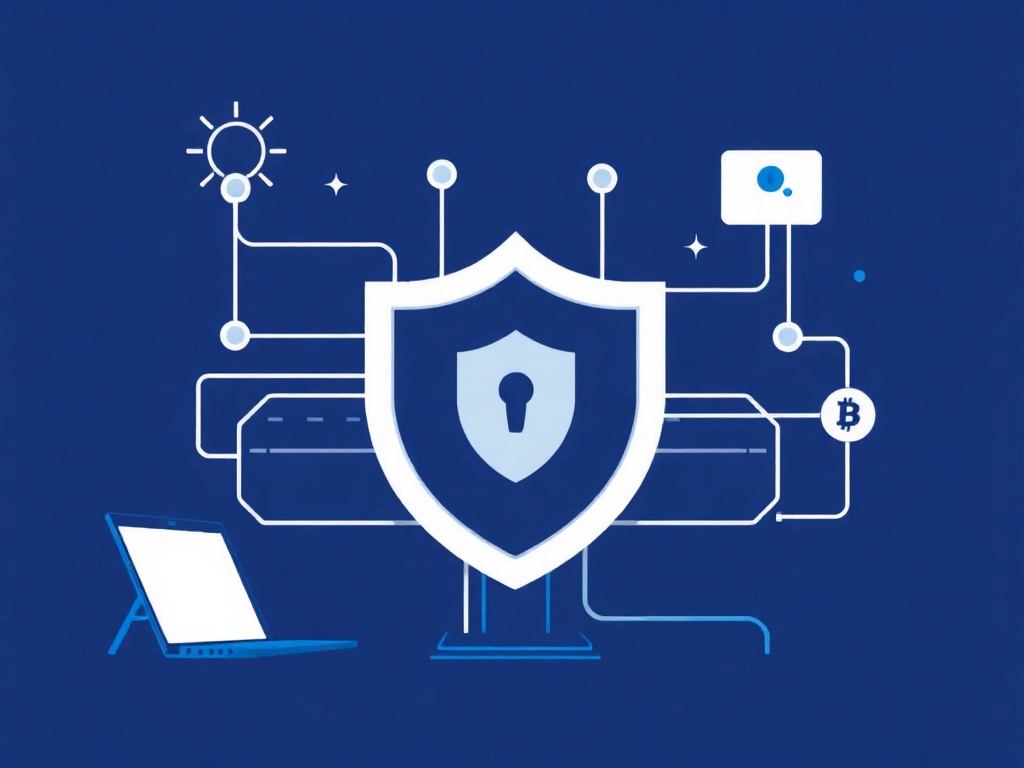
At the heart of Secret Network’s privacy model is the use of Trusted Execution Environments (TEEs), specifically Intel SGX (Software Guard Extensions). TEEs are secure areas within a processor that isolate sensitive computations from the rest of the system. On Secret Network, TEEs are used to execute smart contracts in a private and secure manner.
When a transaction is processed on Secret Network, the following steps occur:
- Input Encryption: Users encrypt their transaction data using the network’s encryption scheme before submitting it to the blockchain.
- Secure Execution: The encrypted data is sent to a TEE, where it is decrypted and processed by a smart contract.
- Output Encryption: The result of the computation is re-encrypted before being returned to the user or recorded on-chain.
- Verification: Nodes in the network verify the correctness of the computation without ever seeing the underlying data.
This process ensures that sensitive information—such as account balances, transaction amounts, or personal data—remains confidential throughout the entire lifecycle of a transaction.
Zero-Knowledge Proofs (ZKPs) and Secret Network
While TEEs handle the secure execution of smart contracts, zero-knowledge proofs (ZKPs) play a complementary role in enhancing privacy on Secret Network. ZKPs allow one party to prove the validity of a statement without revealing any additional information. For example, a user can prove that they have sufficient funds to make a transaction without disclosing their exact balance.
Secret Network integrates ZKPs in several ways:
- Spending Proofs: Users can generate proofs that they own a certain amount of SCRT without revealing their wallet address or balance.
- Transaction Validation: Validators can confirm the validity of a transaction without seeing the transaction details.
- Interoperability: ZKPs enable Secret Network to interact with other blockchains in a privacy-preserving manner.
Together, TEEs and ZKPs form a robust privacy infrastructure that sets secret network cryptocurrency apart from other privacy-focused blockchains.
Consensus Mechanism: Proof-of-Stake (PoS)
Secret Network operates on a Proof-of-Stake (PoS) consensus mechanism, which is more energy-efficient and scalable compared to Proof-of-Work (PoW) systems like Bitcoin. In a PoS system, validators are chosen to propose and validate new blocks based on the amount of SCRT they have staked. This approach reduces the environmental impact of the network while maintaining security and decentralization.
Key features of Secret Network’s PoS model include:
- Low Energy Consumption: Unlike PoW, PoS does not require massive computational power, making it more sustainable.
- High Scalability: The network can process thousands of transactions per second, making it suitable for enterprise use cases.
- Decentralization: Validators are distributed globally, reducing the risk of centralization and censorship.
By combining PoS with its privacy-enhancing technologies, secret network cryptocurrency offers a unique blend of efficiency, security, and confidentiality.
Use Cases of Secret Network Cryptocurrency
Private DeFi (Decentralized Finance)
One of the most promising applications of the secret network cryptocurrency is in the realm of decentralized finance (DeFi). Traditional DeFi platforms on public blockchains expose users’ financial activities, which can be a significant drawback for privacy-conscious individuals. Secret Network addresses this issue by enabling private DeFi applications where users can:
- Trade assets privately: Users can swap tokens without revealing their trading strategies or portfolio composition.
- Lend and borrow anonymously: Borrowers can access loans without disclosing their credit history or financial status.
- Earn yield privately: Users can stake or provide liquidity to DeFi protocols without exposing their holdings.
Popular DeFi applications on Secret Network include SecretSwap, a decentralized exchange (DEX) that allows private token swaps, and ShadeSwap, which offers private liquidity provision and yield farming.
Privacy-Preserving NFTs
Non-fungible tokens (NFTs) have gained immense popularity, but their public nature raises concerns about ownership privacy and metadata exposure. Secret Network enables the creation and trading of private NFTs, where the content, metadata, and ownership details are encrypted and accessible only to authorized parties.
Use cases for private NFTs on Secret Network include:
- Digital Art: Artists can mint NFTs without revealing the artwork until the buyer claims it.
- Gaming Assets: In-game items and collectibles can be traded privately, protecting players’ strategies and assets.
- Identity Verification: Sensitive identity documents or credentials can be stored as private NFTs, accessible only to the owner or authorized entities.
Platforms like Stashh and SecretNFT are pioneering the development of private NFT marketplaces on Secret Network.
Enterprise and Institutional Use
Businesses and institutions often require privacy for sensitive financial transactions, supply chain data, or internal audits. The secret network cryptocurrency provides a secure and compliant infrastructure for enterprises looking to leverage blockchain technology without sacrificing confidentiality.
Potential enterprise applications include:
- Supply Chain Tracking: Companies can record and verify supply chain data privately, protecting trade secrets and competitive advantages.
- Cross-Border Payments: Financial institutions can settle transactions privately, reducing exposure to fraud and regulatory scrutiny.
- Compliance and Auditing: Enterprises can use Secret Network to maintain private records that are verifiable by auditors without exposing sensitive information.
By offering a regulatory-friendly privacy solution, secret network cryptocurrency is well-positioned to attract institutional adoption.
Secret Network and the Internet of Things (IoT)
The integration of blockchain with IoT devices presents unique challenges, particularly around data privacy and security. Secret Network’s privacy-preserving capabilities make it an ideal platform for IoT applications where sensitive data—such as sensor readings, user behavior, or device identities—must be protected.
Examples of IoT use cases on Secret Network include:
- Smart Healthcare: Patient data collected from wearable devices can be stored and processed privately, ensuring compliance with regulations like HIPAA.
- Autonomous Vehicles: Data from self-driving cars, such as location or driving patterns, can be shared securely with manufacturers or insurers without exposing personal information.
- Smart Homes: IoT devices in smart homes can interact with blockchain-based services while keeping user data confidential.
As IoT adoption grows, the demand for privacy-enhancing technologies like those offered by secret network cryptocurrency will continue to rise.
How to Get Started with Secret Network Cryptocurrency
Buying and Storing SCRT
To participate in the Secret Network ecosystem, you’ll need to acquire SCRT, the native token of the network. SCRT can be purchased on several major cryptocurrency exchanges, including:
- Binance
- KuCoin
- Gate.io
- Uniswap (via SecretSwap)
Once you’ve purchased SCRT, it’s essential to store it securely in a wallet that supports the Secret Network. Recommended wallets include:
- Keplr Wallet: A browser extension and mobile wallet designed for Cosmos-based blockchains, including Secret Network.
- Ledger: A hardware wallet that supports SCRT, providing an extra layer of security.
- Secret Network Web Wallet: An official web-based wallet for managing SCRT and interacting with Secret Network dApps.
Always ensure you keep your private keys and seed phrases secure to prevent unauthorized access to your funds.
Staking SCRT for Rewards
One of the key benefits of holding secret network cryptocurrency is the ability to stake SCRT and earn rewards. Staking involves delegating your SCRT to a validator node, which helps secure the network and validate transactions. In return, you receive a portion of the block rewards and transaction fees.
To stake SCRT, follow these steps:
- Set Up a Wallet: Ensure you have a wallet like Keplr that supports staking.
- Acquire SCRT: Purchase SCRT on an exchange and transfer it to your wallet.
- Delegate to a Validator: In your wallet, navigate to the staking section and choose a validator to delegate your SCRT to.
- Monitor Rewards: Staking rewards are typically distributed every few days. You can track your rewards in your wallet or on a block explorer like Mintscan.
Staking not only helps secure the network but also provides a passive income stream for token holders.
Participating in Secret Network dApps
The secret network cryptocurrency ecosystem is home to a growing number of decentralized applications (dApps) that leverage its privacy features. To get started with these dApps, follow these general steps:
- Connect Your Wallet: Use a wallet like Keplr to connect to the dApp. Ensure your wallet is funded with SCRT for transaction fees.
- Explore Available dApps: Visit platforms like Secret Network’s ecosystem page to discover applications in DeFi, NFTs, and more.
- Engage with the Platform: Follow the dApp’s instructions to interact with it. For example, you might swap tokens on SecretSwap, mint an NFT on Stashh, or provide liquidity on ShadeSwap.
- Monitor Your Privacy: Since transactions are private by default, ensure you understand how data is encrypted and accessed within the dApp.
Popular dApps on Secret Network include:
- SecretSwap: A decentralized exchange for private token swaps.
- Shade Protocol: A suite of privacy-preserving DeFi tools, including a stablecoin (SHD) and lending platform.
- Stashh: A marketplace for private NFTs.
- Sienna Network: A privacy-focused DeFi platform offering services like private lending and synthetic assets.
Running a Secret Network Validator Node
For those with technical expertise and a desire to contribute to the network’s security and decentralization, running a Secret Network validator node is a rewarding option. Validators are responsible for proposing and validating new blocks, and they earn rewards in SCRT for their services.
To become a validator, you’ll need:
- A server with sufficient hardware specifications (typically a VPS with 4+ cores, 16GB+ RAM, and 500GB+ SSD storage).
- A dedicated IP address and stable internet connection.
- Technical knowledge of blockchain node operation and security best practices.
Steps to set up a validator node include:
- Install Prerequisites: Set up a Linux server and install required software, including Docker and the Secret Network node binary.
- Sync the Blockchain: Download and sync the Secret Network blockchain data.
- Generate Keys: Create a validator key pair and register your validator on-chain.
- Delegate Stake: To become an active validator, you’ll need to attract delegators who stake SCRT with your node.
- Monitor and Maintain: Regularly update your node software and monitor its performance to ensure uptime and security.
Running a validator node requires a significant commitment of time and resources, but it plays a crucial role in maintaining the integrity and decentralization of the secret network cryptocurrency.
Challenges and Future of Secret Network Cryptocurrency
Adoption and Awareness
Despite its innovative features, the secret network cryptocurrency faces challenges in terms of adoption and public awareness. Many users are still unfamiliar with privacy-focused blockchains, and the concept of private transactions can be counterintuitive in a space that traditionally values transparency. To overcome this, the Secret Network community and developers are actively working on:
- Education and Outreach: Creating tutorials, articles, and videos to explain the benefits of privacy in blockchain.
- Partnerships: Collaborating with other projects, exchanges, and institutions to integrate Secret Network’s technology.
- User-Friendly Tools: Developing intuitive interfaces and wallets that make it easy for non-technical users to interact with the network.
As awareness grows, the adoption of secret network cryptocurrency is expected to accelerate, particularly among privacy-conscious users and enterprises.
Regulatory Considerations
Privacy-focused cryptocurrencies often face scrutiny from regulators who are concerned about illicit activities such as money laundering or terrorism financing. While Secret Network is

Secret Network Cryptocurrency: The Privacy-First Layer for DeFi and Web3
As a DeFi and Web3 analyst with deep experience in privacy-preserving technologies, I’ve closely observed the evolution of the secret network cryptocurrency—a project that uniquely bridges the gap between confidentiality and programmable smart contracts. Unlike traditional blockchains where transaction data is publicly visible, Secret Network leverages trusted execution environments (TEEs) to encrypt data at the contract level, enabling private computations without sacrificing verifiability. This is particularly compelling for DeFi applications where sensitive financial data—such as collateralization ratios or trading strategies—must remain confidential while still interacting with transparent on-chain logic. From a practical standpoint, the network’s native token, SCRT, serves dual roles: as a governance asset for protocol upgrades and as the gas token for executing private smart contracts. Its recent integration with major DeFi protocols like SecretSwap and ShadeSwap demonstrates how privacy can coexist with composability, a critical feature for institutional and retail users alike.
The secret network cryptocurrency stands out in a crowded Web3 landscape by addressing a fundamental trade-off: transparency vs. privacy. While Ethereum and other smart contract platforms prioritize open access, Secret Network’s approach—enabled by the Cosmos SDK and CosmWasm—offers a compelling alternative for use cases where confidentiality is non-negotiable. For instance, decentralized identity solutions, confidential auctions, or even private yield farming strategies can now be executed without exposing sensitive inputs to the public mempool. However, adoption hinges on overcoming key challenges: liquidity fragmentation across privacy-focused chains, the need for more developer tooling, and educating users on the nuances of encrypted transactions. From my analysis, the network’s roadmap—including interoperability with Ethereum via Secret Ethereum Bridge and the upcoming Secret 2.0 upgrade—positions it as a foundational layer for the next wave of privacy-centric DeFi. For investors and builders, the secret network cryptocurrency isn’t just another altcoin; it’s a strategic bet on the future of secure, programmable privacy in Web3.