The Ultimate Guide to Anonymous Crypto Exchange: Privacy, Security, and Best Platforms
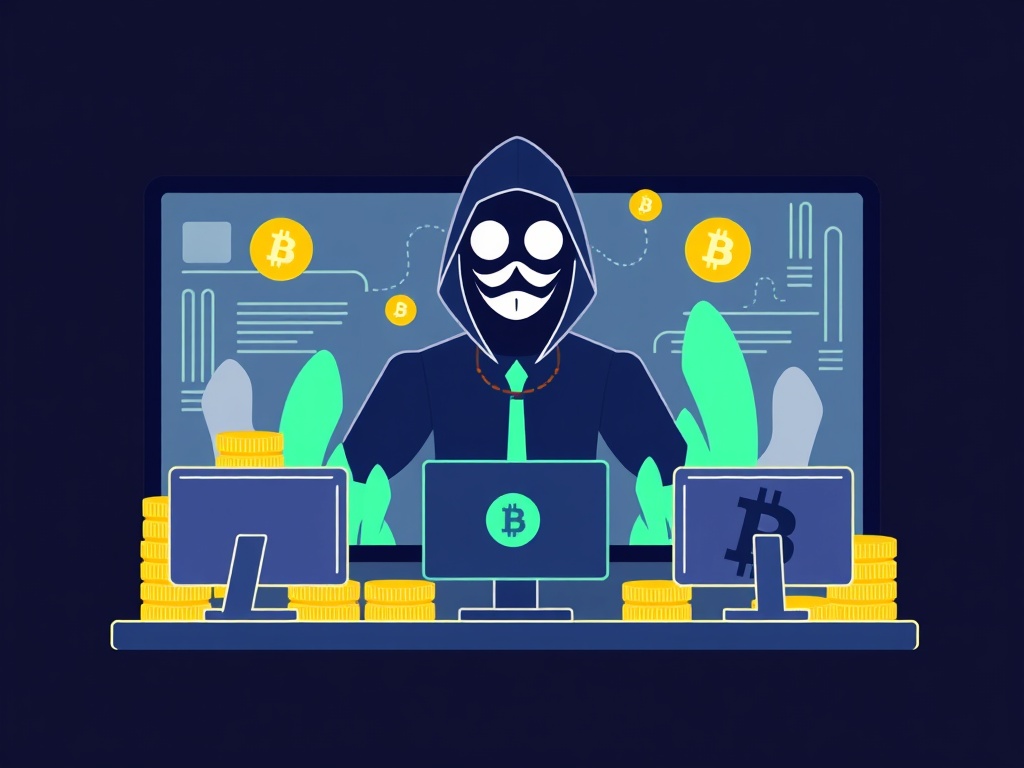
In an era where digital privacy is increasingly under threat, anonymous crypto exchange platforms have emerged as a vital solution for users seeking financial confidentiality. These exchanges allow individuals to trade cryptocurrencies without revealing their identities, protecting them from surveillance, censorship, and potential security risks. Whether you're a privacy advocate, a trader in restrictive jurisdictions, or simply someone who values anonymity, understanding how anonymous crypto exchange works is essential.
This comprehensive guide explores the concept of anonymous crypto exchange, its benefits, risks, and the top platforms available in 2024. We’ll also discuss how these exchanges operate, their legal implications, and best practices for secure trading. By the end of this article, you’ll have a clear understanding of how to navigate the world of anonymous cryptocurrency trading while safeguarding your personal data.
What Is an Anonymous Crypto Exchange?
Definition and Core Features
An anonymous crypto exchange is a digital platform that enables users to trade cryptocurrencies without requiring extensive personal identification. Unlike traditional exchanges that mandate Know Your Customer (KYC) verification, these platforms prioritize user privacy by allowing transactions with minimal or no identity checks. This approach aligns with the foundational principles of cryptocurrency—decentralization, censorship resistance, and financial sovereignty.
Key features of an anonymous crypto exchange include:
- No KYC Requirements: Users can trade without submitting government-issued IDs, passports, or proof of address.
- Decentralized or Peer-to-Peer (P2P) Models: Many anonymous exchanges operate without a central authority, reducing the risk of data breaches.
- Privacy-Focused Coins: Support for privacy coins like Monero (XMR), Zcash (ZEC), and Dash (DASH), which obscure transaction details.
- Non-Custodial Trading: Some platforms allow users to retain control of their funds throughout the trading process.
- Tor or VPN Compatibility: Enhanced security measures to mask IP addresses and prevent tracking.
How Does an Anonymous Crypto Exchange Differ from Traditional Exchanges?
Traditional cryptocurrency exchanges, such as Coinbase, Binance, and Kraken, require users to complete KYC procedures before trading. This process involves submitting personal documents, which are then stored in centralized databases—potentially vulnerable to hacks or government subpoenas. In contrast, an anonymous crypto exchange minimizes these risks by eliminating the need for such disclosures.
The following table highlights the key differences:
| Feature | Traditional Exchange | Anonymous Crypto Exchange |
|---|---|---|
| KYC Requirements | Mandatory | Optional or None |
| Privacy Level | Low (user data stored) | High (minimal data collection) |
| Regulatory Compliance | Strict (follows AML/CFT laws) | Varies (often in gray areas) |
| Transaction Speed | Fast (centralized processing) | Slower (decentralized or P2P) |
| Supported Cryptocurrencies | Limited to major coins (BTC, ETH, etc.) | Often includes privacy coins (XMR, ZEC) |
While traditional exchanges offer convenience and liquidity, an anonymous crypto exchange caters to users who prioritize privacy above all else. However, this comes with trade-offs, such as limited customer support and potential liquidity issues.
Why Use an Anonymous Crypto Exchange?
Privacy and Financial Sovereignty
One of the primary reasons users turn to an anonymous crypto exchange is to maintain financial privacy. In many countries, governments and financial institutions monitor transactions, which can lead to unwarranted surveillance or discrimination. By using an anonymous exchange, individuals can:
- Protect Against Identity Theft: Hackers and scammers often target exchanges with large databases of user data. Anonymous platforms reduce this risk.
- Avoid Censorship: In regions with strict capital controls or oppressive regimes, anonymous exchanges allow users to bypass restrictions.
- Maintain Anonymity in Trading: Whether buying or selling cryptocurrencies, users can avoid leaving a traceable financial footprint.
Security Against Data Breaches
Centralized exchanges are frequent targets for cyberattacks. High-profile breaches, such as the Mt. Gox hack (2014) and the KuCoin hack (2020), have resulted in the loss of millions of dollars. An anonymous crypto exchange that operates without storing user data significantly reduces the risk of such incidents. Even if a platform is compromised, attackers gain access to minimal information.
Access to Restricted Markets
Some users live in countries where cryptocurrency trading is restricted or heavily regulated. An anonymous crypto exchange can provide a workaround by allowing trades without geographic limitations. For example, residents of China, where crypto trading is banned, can use decentralized exchanges (DEXs) to access global markets.
Support for Privacy Coins
Many anonymous exchanges support privacy-focused cryptocurrencies like Monero (XMR), which use advanced cryptographic techniques to obscure transaction details. For users who value anonymity in their holdings, an anonymous crypto exchange is often the only viable option for trading these assets.
Top Anonymous Crypto Exchanges in 2024
Not all anonymous exchanges are created equal. Some prioritize security, while others focus on ease of use or liquidity. Below, we review the best anonymous crypto exchange platforms available in 2024, categorized by their strengths.
1. Bisq (Best for Decentralization and Security)
Bisq is a fully decentralized, open-source anonymous crypto exchange that operates as a peer-to-peer (P2P) platform. It does not require KYC, and users trade directly with one another using smart contracts. Bisq is ideal for those who want complete control over their funds and transactions.
Pros:
- No central authority or server—resistant to censorship.
- Supports a wide range of cryptocurrencies, including privacy coins.
- Uses Tor by default to protect user IP addresses.
- Non-custodial—users retain control of their funds until the trade is complete.
Cons:
- Slower transaction times due to P2P matching.
- Lower liquidity compared to centralized exchanges.
- Requires a small security deposit (0.001 BTC) to prevent spam.
Best For: Users who prioritize decentralization, security, and privacy over speed and liquidity.
2. Hodl Hodl (Best for P2P Trading with Escrow)
Hodl Hodl is another P2P anonymous crypto exchange that connects buyers and sellers without requiring KYC. It uses an escrow system to ensure that both parties fulfill their obligations before funds are released. Hodl Hodl supports Bitcoin and other major cryptocurrencies, making it a popular choice for privacy-conscious traders.
Pros:
- No KYC or registration required—trade under a pseudonym.
- Escrow system protects against scams.
- Supports multiple payment methods, including bank transfers and cash deposits.
- User-friendly interface compared to other decentralized exchanges.
Cons:
- Limited to Bitcoin trading (no altcoins or privacy coins).
- Slower than centralized exchanges due to P2P matching.
- Fees can be higher than traditional exchanges.
Best For: Bitcoin traders who want a balance between privacy and security without the complexity of fully decentralized platforms.
3. LocalMonero (Best for Monero Trading)
LocalMonero is a specialized anonymous crypto exchange focused exclusively on Monero (XMR), the leading privacy coin. It allows users to buy and sell XMR in a completely anonymous manner, with no KYC requirements. Transactions are conducted directly between buyers and sellers, often using cash or in-person meetups for added privacy.
Pros:
- No KYC—users trade under aliases.
- Supports multiple payment methods, including cash, bank transfers, and gift cards.
- High level of privacy due to Monero’s built-in obfuscation.
- Global reach—available in most countries.
Cons:
- Limited to Monero trading—no other cryptocurrencies supported.
- Slower than centralized exchanges due to P2P nature.
- Higher fees for certain payment methods (e.g., cash deposits).
Best For: Monero enthusiasts who want to buy, sell, or trade XMR without revealing their identity.
4. ShapeShift (Best for Non-Custodial Trading)
ShapeShift is a non-custodial anonymous crypto exchange that allows users to swap cryptocurrencies without creating an account or providing personal information. While ShapeShift previously required KYC, it has since pivoted to a fully non-custodial model, aligning with the principles of privacy and financial sovereignty.
Pros:
- No registration or KYC required.
- Supports a wide range of cryptocurrencies, including privacy coins.
- Fast and user-friendly interface.
- Non-custodial—users retain control of their funds.
Cons:
- Higher fees compared to some centralized exchanges.
- Limited customer support due to non-custodial nature.
- Some features (e.g., staking) require additional verification.
Best For: Users who want a simple, non-custodial way to swap cryptocurrencies without identity verification.
5. Agoradesk (Best for Global P2P Trading)
Agoradesk is a P2P anonymous crypto exchange that supports a variety of cryptocurrencies, including Bitcoin, Ethereum, and Monero. It operates similarly to LocalBitcoins (which was shut down in 2023) but with a stronger focus on privacy and security. Users can trade directly with one another using escrow to ensure safety.
Pros:
- No KYC—trade under a pseudonym.
- Supports multiple cryptocurrencies and payment methods.
- Escrow system protects against fraud.
- Available in over 150 countries.
Cons:
- Slower than centralized exchanges due to P2P matching.
- Higher fees for certain payment methods.
- Some users report occasional scams, though the escrow system mitigates this risk.
Best For: Traders who want a global, P2P anonymous crypto exchange with support for multiple cryptocurrencies.
How to Use an Anonymous Crypto Exchange Safely
Step-by-Step Guide to Trading Anonymously
Using an anonymous crypto exchange requires careful planning to ensure both privacy and security. Follow these steps to trade safely:
- Choose the Right Platform: Select an exchange that aligns with your needs (e.g., Bisq for decentralization, LocalMonero for XMR trading).
- Set Up a Secure Wallet: Use a non-custodial wallet (e.g., Electrum for Bitcoin, Cake Wallet for Monero) to store your funds. Avoid keeping large amounts on the exchange.
- Use a VPN or Tor: Mask your IP address to prevent tracking. Tor is particularly effective for accessing decentralized exchanges like Bisq.
- Create a Pseudonymous Identity: Use a unique username and email (e.g., via ProtonMail) that isn’t linked to your real identity.
- Fund Your Account (If Needed): Some exchanges require you to deposit funds before trading. Use privacy coins or mixers to obscure the source of your funds.
- Execute the Trade: Follow the platform’s instructions to buy or sell cryptocurrency. For P2P exchanges, use the escrow system to ensure safety.
- Withdraw Funds Securely: Transfer your cryptocurrency to a private wallet immediately after the trade. Avoid leaving funds on the exchange.
- Use Coin Mixers (Optional): For added privacy, consider using a coin mixer (e.g., Wasabi Wallet, Samourai Wallet) to obfuscate transaction trails.
Common Mistakes to Avoid
While trading on an anonymous crypto exchange, users often make mistakes that compromise their privacy. Here are some pitfalls to avoid:
- Reusing Addresses: Always generate a new wallet address for each transaction to prevent linkability.
- Sharing Personal Information: Even on anonymous exchanges, avoid discussing personal details in chat forums or with counterparties.
- Using Public Wi-Fi: Public networks can expose your IP address. Always use a VPN or mobile data.
- Ignoring Transaction Fees: Some privacy-focused transactions (e.g., Monero) have higher fees due to their obfuscation techniques.
- Falling for Scams: P2P exchanges are rife with scammers. Always use escrow and verify counterparties before trading.
Tools to Enhance Anonymity
To further protect your privacy when using an anonymous crypto exchange, consider the following tools:
- VPNs: Services like ProtonVPN, Mullvad, or NordVPN mask your IP address and encrypt your internet traffic.
- Privacy Coins: Monero (XMR), Zcash (ZEC), and Dash (DASH) offer built-in privacy features.
- Coin Mixers: Wasabi Wallet, Samourai Wallet, and Tornado Cash help obfuscate transaction histories.
- Stealth Addresses: Used in Monero, these addresses prevent transaction linking.
- Hardware Wallets: Devices like Ledger or Trezor store your cryptocurrency offline, reducing exposure to online threats.
Legal and Regulatory Considerations
Is an Anonymous Crypto Exchange Legal?
The legality of an anonymous crypto exchange depends on your jurisdiction. While some countries embrace cryptocurrency privacy, others impose strict regulations:
- United States: KYC/AML laws (e.g., Bank Secrecy Act) require exchanges to verify user identities. However, decentralized exchanges (DEXs) like Bisq operate in a legal gray area.
- European Union: The Fifth Anti-Money Laundering Directive (5AMLD) mandates KYC for crypto exchanges. Anonymous exchanges may face restrictions.
- China: Cryptocurrency trading is banned, but P2P exchanges like LocalMonero may still operate informally.
- Russia: While not explicitly banned, anonymous crypto exchanges face scrutiny under anti-money laundering laws.
- Switzerland: Known for its crypto-friendly regulations, Switzerland allows anonymous exchanges as long as they comply with AML laws.
Important Note: Even in jurisdictions where anonymous exchanges are legal

The Rise of Anonymous Crypto Exchanges: Balancing Privacy and Compliance in Digital Asset Trading
As a digital assets strategist with a background in both traditional finance and cryptocurrency markets, I’ve observed that anonymous crypto exchanges occupy a unique—and often controversial—niche within the broader trading ecosystem. These platforms, which prioritize user privacy by minimizing Know Your Customer (KYC) requirements, appeal to individuals seeking financial sovereignty, censorship resistance, or simply discretion in their transactions. However, their operational model introduces significant regulatory and security challenges. From a market microstructure perspective, anonymous exchanges often exhibit higher liquidity fragmentation, as liquidity providers and institutional traders remain wary of compliance risks. Yet, they serve a critical function for users in jurisdictions with restrictive financial policies or for those engaging in cross-border transactions where traditional banking infrastructure is unreliable.
Practically speaking, the appeal of anonymous crypto exchanges must be weighed against the evolving regulatory landscape. While platforms like Bisq or Hodl Hodl have demonstrated that peer-to-peer trading can thrive without centralized oversight, the broader trend toward global AML/CFT compliance suggests that anonymity may become increasingly difficult to sustain. For traders, this means evaluating the trade-offs between privacy and accessibility—anonymous exchanges may offer lower fees and fewer restrictions, but they also carry higher counterparty risk and limited recourse in disputes. As a strategist, I advise clients to approach these platforms with caution, leveraging them for specific use cases (e.g., privacy-preserving transactions) while maintaining exposure to regulated venues for larger or more sensitive trades. The future of anonymous crypto exchanges will likely hinge on their ability to innovate within regulatory frameworks, rather than resist them entirely.