The Ultimate Guide to Cold Storage Bitcoin: Secure Your Digital Assets for the Long Term
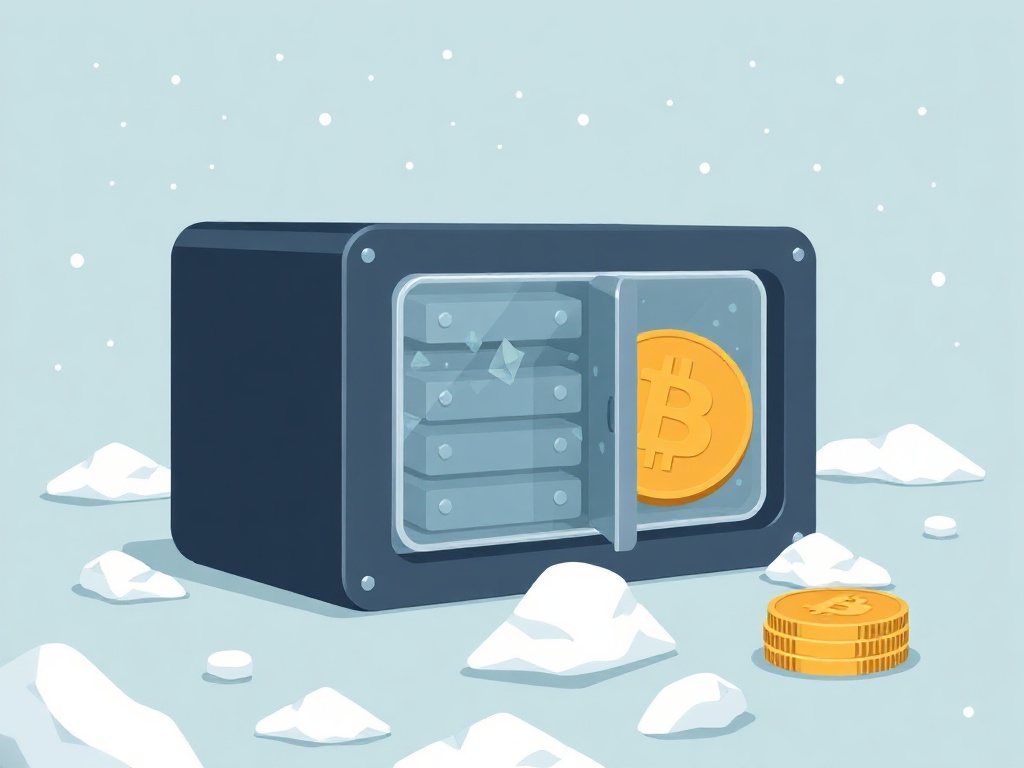
In the fast-evolving world of cryptocurrency, security remains the cornerstone of successful investing and asset management. Among the various methods available to protect your bitcoin, cold storage bitcoin stands out as the gold standard for long-term security. Unlike hot wallets that are connected to the internet and vulnerable to cyber threats, cold storage solutions provide an offline environment where your private keys never come into contact with online hackers or malicious software.
This comprehensive guide explores everything you need to know about cold storage bitcoin: from understanding what it is and why it’s essential, to comparing different types of cold storage solutions, and learning best practices for implementation. Whether you're a seasoned investor or new to the crypto space, this article will help you make informed decisions to safeguard your digital wealth.
What Is Cold Storage Bitcoin and Why Is It Crucial?
Understanding Cold Storage in the Context of Bitcoin
Cold storage bitcoin refers to any method of storing bitcoin offline, away from internet-connected devices. The term "cold" signifies the lack of connectivity, which drastically reduces the risk of unauthorized access, theft, or loss due to online vulnerabilities such as phishing, malware, or exchange hacks.
In contrast, "hot storage" refers to wallets that are always connected to the internet—such as mobile wallets, desktop wallets, or exchange accounts. While hot wallets are convenient for frequent transactions, they are inherently less secure. Cold storage bitcoin solutions, on the other hand, are designed for long-term holding and maximum security.
The Importance of Cold Storage for Bitcoin Holders
Bitcoin is decentralized and immutable, meaning once a transaction is confirmed, it cannot be reversed. This feature makes security paramount. Here are key reasons why cold storage bitcoin is essential:
- Protection Against Cyber Attacks: Online wallets and exchanges are frequent targets of hackers. By keeping your bitcoin offline, you eliminate the risk of remote attacks.
- Control Over Private Keys: With cold storage, you retain full control over your private keys—the cryptographic keys that prove ownership of your bitcoin. This is not always the case with third-party custodial services.
- Long-Term Investment Security: If you plan to hold bitcoin for years or decades, cold storage ensures your assets remain safe even as technology and threats evolve.
- Compliance and Insurance Benefits: Some institutional investors and high-net-worth individuals use cold storage to meet regulatory requirements and reduce insurance premiums by minimizing exposure to online risks.
In summary, cold storage bitcoin is not just a security measure—it’s a fundamental practice for anyone serious about protecting their digital assets.
Types of Cold Storage Bitcoin Solutions: A Comparative Overview
Hardware Wallets: The Gold Standard of Cold Storage
Hardware wallets are physical devices specifically designed to store cryptocurrency offline. They generate and store private keys within a secure chip, isolated from the internet. Popular examples include Ledger Nano S, Ledger Nano X, and Trezor Model T.
Key advantages of hardware wallets for cold storage bitcoin:
- Air-Gapped Security: Transactions are signed offline and then transferred to the blockchain via a secure connection (e.g., USB or Bluetooth).
- User-Friendly Interface: Despite their advanced security, most hardware wallets offer intuitive setups and mobile apps for easy management.
- Backup and Recovery: Most devices allow you to create a recovery seed phrase (usually 12 or 24 words) that can restore your wallet if the device is lost or damaged.
- Multi-Currency Support: Many hardware wallets support not only bitcoin but also other cryptocurrencies, making them versatile for diversified portfolios.
However, hardware wallets do have limitations:
- They require an initial purchase cost (typically $50–$200).
- Physical damage or loss of the device could result in permanent loss if the recovery phrase is not backed up securely.
- Some models may have firmware vulnerabilities, though these are rare and usually patched quickly.
Paper Wallets: Simple but High-Risk Solutions
A paper wallet is a physical document that contains a public address for receiving bitcoin and a private key for spending it. It’s generated offline using dedicated tools and then printed or written down.
Advantages of paper wallets for cold storage bitcoin:
- Zero Cost: Creating a paper wallet requires no special hardware—just a printer and a secure offline environment.
- Complete Offline Isolation: Once generated and printed, the wallet is entirely offline, making it immune to online attacks.
But paper wallets come with significant risks:
- Physical Degradation: Paper can tear, fade, or be destroyed by water, fire, or pests.
- Human Error: Misplacing the paper or writing the private key incorrectly can result in permanent loss.
- No Easy Recovery: Unlike hardware wallets, paper wallets don’t offer built-in recovery mechanisms.
- Vulnerability to Theft: If someone gains physical access to your paper wallet, they can steal your bitcoin.
Due to these risks, paper wallets are generally recommended only for small amounts of bitcoin or as a temporary solution.
Cold Storage via Offline Computers or Raspberry Pi
For advanced users, creating an entirely offline computer system is another method of cold storage bitcoin. This involves using a dedicated device that has never been connected to the internet.
Steps to set up an offline computer for cold storage:
- Acquire a Used or Dedicated Device: Use an old laptop or a Raspberry Pi that has never been online.
- Install a Minimal Operating System: Use a lightweight OS like Linux (e.g., Ubuntu, Debian) or a purpose-built distro like Tails OS.
- Generate Keys Offline: Use wallet software like Electrum or Bitcoin Core in offline mode to generate a new wallet and private keys.
- Sign Transactions Offline: Create unsigned transactions on an online device, transfer them to the offline device via USB or SD card, sign them, and then broadcast them from the online device.
Benefits of this method:
- Full Control: You control every aspect of the setup and security.
- High Security: The device is never exposed to the internet, reducing attack vectors.
Drawbacks include:
- Technical Complexity: Requires advanced knowledge of operating systems and command-line tools.
- Time-Consuming: The process of signing transactions manually is slow and error-prone.
- Maintenance Overhead: The device must be stored securely and powered on only when needed.
This method is best suited for institutional investors or experienced users with large holdings.
Multi-Signature (Multisig) Cold Storage
Multisig wallets require multiple private keys to authorize a transaction. For cold storage bitcoin, this means distributing keys across different physical locations or devices, adding an extra layer of security.
For example, a 2-of-3 multisig setup might require two out of three private keys to spend the bitcoin. You could store one key in a hardware wallet, another on a paper wallet in a safe, and the third with a trusted family member or attorney.
Advantages of multisig cold storage:
- Redundancy: If one key is lost or compromised, the funds are still secure as long as the required number of keys are intact.
- Protection Against Theft: A thief would need to compromise multiple locations to steal your bitcoin.
- Flexibility: You can customize the number of required signatures based on your security needs.
However, multisig setups are more complex to set up and manage, and they require careful planning to avoid losing access due to key loss.
How to Set Up Cold Storage Bitcoin: Step-by-Step Guide
Step 1: Choose the Right Cold Storage Method
Your choice of cold storage bitcoin depends on several factors:
- Amount of Bitcoin: For large holdings, hardware wallets or multisig setups are recommended. For small amounts, a paper wallet may suffice.
- Technical Expertise: Beginners should opt for hardware wallets, while advanced users may prefer offline computers or multisig.
- Budget: Hardware wallets cost money, while paper wallets and offline computers are low-cost alternatives.
- Access Frequency: If you need to access your bitcoin occasionally, hardware wallets are ideal. For long-term holding with no access, paper or multisig may be better.
For most users, a hardware wallet like Ledger or Trezor offers the best balance of security, convenience, and cost.
Step 2: Purchase a Reputable Hardware Wallet
When buying a hardware wallet for cold storage bitcoin, follow these best practices:
- Buy Directly from the Manufacturer: Avoid third-party sellers on Amazon or eBay, as counterfeit devices may be sold.
- Check for Tamper-Evident Packaging: Genuine devices come in sealed boxes with holographic stickers.
- Verify the Device Upon Arrival: Ensure the packaging is intact and the device matches the manufacturer’s description.
Popular and trusted hardware wallets include:
- Ledger Nano X: Bluetooth-enabled, supports mobile and desktop, and offers a wide range of cryptocurrencies.
- Trezor Model T: Touchscreen interface, open-source firmware, and strong security features.
- KeepKey: Sleek design with a large screen, supports multiple assets, and integrates with ShapeShift.
Step 3: Initialize and Secure Your Hardware Wallet
Once you have your device, follow these steps to set it up securely:
- Connect to a Secure Computer: Use a device that is free of malware. Consider using a dedicated offline computer or a freshly installed operating system.
- Download the Official Wallet Software: Visit the manufacturer’s website and download the latest version of their wallet app (e.g., Ledger Live, Trezor Suite).
- Create a New Wallet: Follow the on-screen instructions to generate a new wallet. The device will display a recovery seed phrase.
- Write Down the Recovery Seed: This 12 or 24-word phrase is your backup. Write it down on paper and store it in a secure, offline location (e.g., a safe or safety deposit box). Never store it digitally or take a photo of it.
- Set a Strong PIN: Choose a unique PIN that is not easily guessable. Avoid using birthdays or simple sequences.
- Enable Additional Security Features: Some devices allow you to set a passphrase (also known as a "25th word") for extra protection. This adds a layer of encryption to your seed phrase.
Step 4: Transfer Bitcoin to Your Cold Storage Wallet
Once your hardware wallet is set up, you’re ready to transfer your bitcoin into cold storage. Here’s how:
- Get Your Receiving Address: Open your wallet software and generate a new bitcoin address. This address will be used to receive funds.
- Verify the Address: Double-check the address on your hardware wallet’s screen to ensure it matches the one displayed in the software. This prevents malware from altering the address on your computer.
- Send Bitcoin from Your Exchange or Hot Wallet: Initiate a withdrawal from your exchange or hot wallet, paste the receiving address, and confirm the transaction.
- Wait for Confirmation: Bitcoin transactions require network confirmations. Once confirmed, your bitcoin is safely stored in cold storage.
Pro Tip: For added security, consider sending a small test transaction first to verify that everything works correctly before transferring larger amounts.
Step 5: Store Your Hardware Wallet and Backup Securely
Physical security is just as important as digital security when it comes to cold storage bitcoin.
Best practices for storage:
- Use a Fireproof and Waterproof Safe: Store your hardware wallet and recovery seed in a secure location at home or in a safety deposit box.
- Keep the Recovery Seed Separate: Store the seed phrase in a different location than the hardware wallet to protect against theft or natural disasters.
- Avoid Digital Copies: Do not store the seed phrase on your computer, phone, or cloud storage.
- Consider a Metal Backup: For long-term durability, use a metal backup solution like Cryptosteel or Billfodl to engrave your seed phrase in stainless steel.
Remember: If you lose your hardware wallet and your recovery seed, your bitcoin is gone forever. There is no customer support or recovery service for lost private keys.
Common Mistakes to Avoid with Cold Storage Bitcoin
Mistake 1: Not Backing Up Your Recovery Seed Properly
One of the most common—and costly—mistakes in cold storage bitcoin is failing to back up the recovery seed. Without this backup, a lost, stolen, or damaged wallet means permanent loss of funds.
What to do instead:
- Write the seed phrase on paper and store it in a secure, offline location.
- Use a metal backup to protect against fire, water, or decay.
- Never store the seed digitally or share it with anyone.
- Test the backup by restoring a small amount of bitcoin to a new wallet.
Mistake 2: Using a Compromised or Counterfeit Device
Counterfeit hardware wallets are a growing threat. These devices may look authentic but contain malware designed to steal your private keys.
How to avoid this:
- Purchase hardware wallets only from the official manufacturer’s website.
- Check for tamper-evident packaging and holographic stickers.
- Verify the device’s serial number on the manufacturer’s website.
- Be cautious of deals that seem too good to be true (e.g., heavily discounted devices).
Mistake 3: Storing the Recovery Seed in an Insecure Location
Many users make the mistake of storing their recovery seed in obvious or easily accessible places, such as:
- Under a keyboard or in a drawer
- In a cloud storage service or email draft
- Written on a sticky note attached to the hardware wallet
These practices defeat the purpose of cold storage. Instead:
- Use a fireproof safe or safety deposit box.
- Store the seed in a location that is not obvious to potential thieves.
- Consider splitting the seed into multiple parts and storing them in different secure locations (e.g., one at home, one in a bank).
Mistake 4: Not Updating Firmware or Software
Hardware wallet manufacturers regularly release firmware updates to patch security vulnerabilities and improve functionality. Failing to update your device leaves it exposed to known threats.
Best practices:
- Check for firmware updates regularly via the official wallet app.
- Only update the firmware when connected to a trusted, offline computer.
- Never update firmware from an untrusted source or third-party link.
Mistake 5: Sharing Private Keys or Seed Phrases
Your private keys and recovery seed are the keys to your bitcoin. Sharing them—even with a trusted friend or family member—is extremely risky.
Remember:

As a certified financial analyst with over a decade of experience in cryptocurrency investment strategies, I’ve seen firsthand how cold storage bitcoin has evolved from a niche security measure to an essential component of any serious investor’s portfolio. Unlike hot wallets, which are connected to the internet and vulnerable to hacking, cold storage bitcoin solutions—such as hardware wallets or paper wallets—keep private keys offline, drastically reducing exposure to cyber threats. For institutional investors and high-net-worth individuals, this isn’t just a preference; it’s a fiduciary responsibility. The peace of mind that comes with knowing your assets are physically isolated from online risks is invaluable, especially in an environment where exchange hacks and phishing attacks remain all too common.
However, cold storage bitcoin isn’t without its trade-offs. While security is unparalleled, accessibility suffers—transactions require physical access to the device, which can be inconvenient for frequent traders. Additionally, the responsibility of safeguarding the wallet (e.g., storing seed phrases securely) falls entirely on the user, meaning a lost or damaged device could result in permanent loss of funds if backups aren’t meticulously managed. From a practical standpoint, I always recommend a hybrid approach: use cold storage for long-term holdings while keeping a small portion in a hot wallet for liquidity needs. For those new to the space, starting with a reputable hardware wallet like Ledger or Trezor—and rigorously testing recovery processes—can mitigate risks before scaling up. Ultimately, cold storage bitcoin isn’t just about security; it’s about aligning your investment strategy with your risk tolerance and operational capacity.