The Ultimate Guide to Tor Browser Mixing Setup for Enhanced Privacy in BTC Transactions
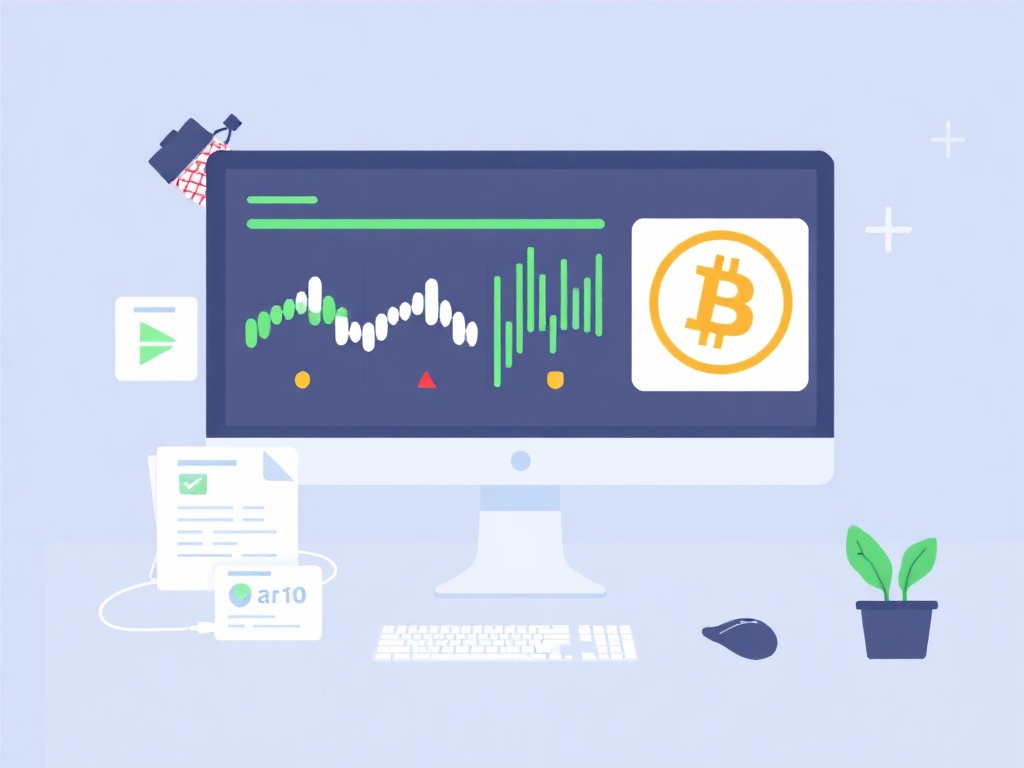
In the evolving landscape of cryptocurrency privacy, achieving true anonymity requires more than just using a Bitcoin mixer. The Tor Browser mixing setup has emerged as a powerful combination for users seeking to obscure their transaction trails while maintaining robust security. This comprehensive guide explores how integrating the Tor network with Bitcoin mixing services can significantly enhance your financial privacy.
Whether you're a privacy-conscious trader, a journalist handling sensitive transactions, or simply someone who values financial anonymity, understanding the Tor Browser mixing setup is crucial. We'll delve into the technical intricacies, best practices, and potential pitfalls of this privacy-enhancing approach.
The Fundamentals of Bitcoin Mixing and Tor Integration
Understanding Bitcoin Mixing Services
Bitcoin mixing, also known as Bitcoin tumbling, is the process of obscuring the origin and destination of cryptocurrency transactions. When you use a Bitcoin mixer, your coins are pooled with those of other users, making it extremely difficult to trace the flow of funds. This process typically involves:
- Input and Output Addresses: Your original Bitcoin address (input) is mixed with others, and new addresses (outputs) receive the mixed coins
- Transaction Fees: Mixers charge a fee (usually 1-3%) for their services
- Delay Mechanisms: Some mixers introduce random delays to further obscure transaction timing
However, traditional Bitcoin mixers have vulnerabilities that can potentially expose your transaction history. This is where the Tor Browser mixing setup comes into play, adding an extra layer of protection.
Why Tor Browser is Essential for Bitcoin Mixing
The Tor network, originally developed by the U.S. Navy, routes internet traffic through a series of encrypted relays, making it nearly impossible to trace the origin of a connection. When combined with Bitcoin mixing, Tor provides several key advantages:
- IP Address Obfuscation: Your real IP address is hidden behind multiple Tor relays
- Prevention of Metadata Leaks: Tor prevents websites from seeing your true location or network information
- Protection Against Traffic Analysis: Even if someone monitors network traffic, they can't easily link your Bitcoin transactions to your identity
- Access to Restricted Mixers: Some Bitcoin mixers are blocked in certain countries, but Tor allows access through hidden services
The Tor Browser mixing setup creates a privacy shield that makes it exponentially harder for adversaries to track your cryptocurrency movements.
Step-by-Step Guide to Setting Up Tor Browser for Bitcoin Mixing
Step 1: Installing and Configuring Tor Browser
Before you can implement the Tor Browser mixing setup, you need to properly install and configure the Tor Browser. Follow these steps:
- Download Tor Browser: Visit the official Tor Project website and download the appropriate version for your operating system
- Verify the Download: Always check the cryptographic signature to ensure you've downloaded the authentic version
- Install Tor Browser: Run the installer and follow the on-screen instructions
- Initial Configuration:
- When you first launch Tor Browser, you'll see a connection screen
- Click "Connect" to establish a connection to the Tor network
- For advanced users, you can configure bridges in the settings if your ISP blocks Tor
- Security Settings: Adjust the security level in Tor Browser settings:
- Standard (default) - All features enabled
- Safer - Disables some potentially risky features
- Safest - Only allows essential features, providing maximum protection
Proper initial setup is the foundation of a secure Tor Browser mixing setup. Take your time to configure these settings correctly before proceeding.
Step 2: Selecting a Reputable Bitcoin Mixer
Not all Bitcoin mixers are created equal, and some may compromise your privacy. When choosing a mixer for your Tor Browser mixing setup, consider these critical factors:
- Reputation and Reviews:
- Look for mixers with positive feedback from privacy communities
- Check forums like BitcoinTalk or Reddit for user experiences
- Research the mixer's history and any past security incidents
- Logging Policy:
- Choose mixers that explicitly state they don't keep logs
- Look for "no logs" policies that have been independently verified
- Be wary of mixers that require registration or personal information
- Fee Structure:
- Typical fees range from 0.5% to 3%
- Higher fees don't always mean better service
- Some mixers offer tiered fees based on the amount being mixed
- Supported Cryptocurrencies:
- While Bitcoin is the primary focus, some mixers support other cryptocurrencies
- Ensure the mixer supports the specific Bitcoin denominations you need
- User Interface and Experience:
- A clean, intuitive interface reduces the chance of user errors
- Look for mixers with clear instructions and transparent processes
Some reputable Bitcoin mixers to consider for your Tor Browser mixing setup include:
- Wasabi Wallet (with built-in CoinJoin mixing)
- Samourai Wallet (for Android users)
- JoinMarket
- Bitcoin Mixer (bitcoinmixer.io)
- Blender.io
Always cross-reference your chosen mixer with recent reviews before proceeding with your Tor Browser mixing setup.
Step 3: Accessing the Mixer Through Tor
Once you've selected your mixer, the next step in your Tor Browser mixing setup is accessing the service through the Tor network. Here's how to do it properly:
- Launch Tor Browser: Open the Tor Browser application you installed earlier
- Verify the Connection: Ensure you're properly connected to the Tor network by checking your IP address at https://check.torproject.org/
- Find the Mixer's Tor Address:
- Some mixers provide a .onion address for Tor access
- If not, you can use the regular website address through Tor
- For maximum privacy, always prefer .onion addresses when available
- Access the Mixer: Enter the mixer's URL in Tor Browser's address bar
- Check for HTTPS: Ensure the website uses HTTPS (look for the padlock icon in the address bar)
- Disable JavaScript (Optional but Recommended):
- In Tor Browser, click the shield icon in the address bar
- Select "Safest" to disable JavaScript entirely
- This prevents potential exploits but may affect some mixer functionality
Remember, the goal of your Tor Browser mixing setup is to minimize any digital footprint that could link your identity to your Bitcoin transactions. Every step should prioritize anonymity over convenience.
Step 4: Initiating the Mixing Process
With your Tor Browser properly configured and connected to your chosen mixer, you're ready to begin the actual mixing process. Follow these steps carefully:
- Create a New Bitcoin Address:
- Use a wallet that generates fresh addresses for each transaction
- Never reuse addresses from your main wallet
- Send Funds to the Mixer:
- In your wallet, send the exact amount you want to mix to the mixer's deposit address
- Include a small amount for transaction fees
- Wait for the transaction to be confirmed on the blockchain
- Provide Output Addresses:
- In the mixer interface, you'll need to provide one or more output addresses
- Use fresh addresses generated specifically for this mixing session
- Some mixers allow you to specify the number of output addresses
- Set Mixing Parameters:
- Choose the number of mixing rounds (more rounds = better privacy but higher fees)
- Set the delay between mixing rounds (longer delays provide better obfuscation)
- Some mixers allow you to set a custom delay range
- Confirm and Submit: Review all settings carefully before submitting your mixing request
During this process, your Tor Browser mixing setup is actively working to obscure your transaction trail. The mixer will pool your coins with others, making it statistically improbable to trace the original source of the funds.
Advanced Techniques for Enhanced Privacy with Tor Browser Mixing Setup
Multi-Stage Mixing Strategies
For maximum privacy in your Tor Browser mixing setup, consider implementing a multi-stage mixing strategy. This involves using multiple mixers in sequence, each with different parameters and timing. Here's how to approach it:
- First-Stage Mixer:
- Use a mixer with a high number of mixing rounds (5-10)
- Set longer delays between rounds (1-6 hours)
- Choose a mixer with a good reputation for not keeping logs
- Intermediate Wallet:
- After the first mixing stage, send the coins to an intermediate wallet
- Use a wallet that supports Coin Control features
- Wait several hours or days before proceeding to the next stage
- Second-Stage Mixer:
- Use a different mixer than the first stage
- Choose different mixing parameters (fewer rounds but longer delays)
- This creates additional obfuscation layers
- Final Destination:
- Send the mixed coins to your final destination wallet
- Use a fresh address that hasn't been associated with any previous transactions
The beauty of this approach in your Tor Browser mixing setup is that each stage adds another layer of complexity for anyone trying to trace your transactions. Even if one mixer is compromised, the multi-stage process provides redundancy.
Timing and Transaction Patterns
In addition to the technical aspects of your Tor Browser mixing setup, timing plays a crucial role in maintaining privacy. Consider these strategies:
- Randomize Transaction Timing:
- Avoid mixing coins during predictable times (e.g., always at 9 AM)
- Use the delay features in your mixer to spread out transactions
- Consider mixing during periods of high network activity to blend in
- Batch Processing:
- Instead of mixing small amounts frequently, consider larger batches less often
- This reduces the overall transaction footprint
- Larger batches are statistically harder to trace
- Seasonal Considerations:
- During holidays or major events, network monitoring may increase
- Plan your Tor Browser mixing setup for periods of lower scrutiny
- Be aware of any regulatory changes that might affect mixer operations
- Network Fee Management:
- Adjust transaction fees to match network conditions
- Higher fees can sometimes provide better privacy by making transactions less noticeable
- Use tools like Bitcoin Core's fee estimation to optimize your transactions
Remember, the goal of your Tor Browser mixing setup isn't just to mix coins, but to make your transactions as indistinguishable as possible from the noise of the Bitcoin network.
Using CoinJoin Wallets with Tor
While traditional Bitcoin mixers are effective, CoinJoin wallets offer an alternative approach that can be integrated into your Tor Browser mixing setup. CoinJoin works by combining multiple transactions into one, making it difficult to determine which inputs correspond to which outputs. Here's how to use CoinJoin wallets with Tor:
- Wasabi Wallet:
- Download and install Wasabi Wallet
- Configure Tor in Wasabi's settings (Tools > Settings > Network > Use Tor)
- Create a new wallet and generate a fresh address
- Send funds to this address and initiate a CoinJoin
- Wasabi automatically handles the mixing process through its Chaumian CoinJoin protocol
- Samourai Wallet:
- Install Samourai Wallet on your Android device
- Enable Tor in the wallet settings
- Use the "Stonewall" or "Ricochet" features for enhanced privacy
- Samourai's mixing is done through its Whirlpool protocol
- JoinMarket:
- JoinMarket is a decentralized CoinJoin implementation
- Configure your JoinMarket client to route through Tor
- Use the "market" or "yield generator" modes for mixing
- JoinMarket offers high liquidity and customizable mixing parameters
The advantage of using CoinJoin wallets in your Tor Browser mixing setup is that they often provide better integration and more control over the mixing process. Additionally, they're typically more resistant to certain types of attacks that can affect traditional mixers.
Security Considerations and Potential Risks in Tor Browser Mixing Setup
Common Threats to Your Privacy
While the Tor Browser mixing setup provides significant privacy benefits, it's important to be aware of potential threats and vulnerabilities. Understanding these risks will help you make informed decisions about your privacy strategy:
- Timing Attacks:
- If an adversary can correlate the timing of your transactions with network activity, they might infer connections
- This is why randomizing transaction timing is crucial in your Tor Browser mixing setup
- Metadata Leakage:
- Even with Tor, some metadata might leak through browser fingerprints or other means
- Always use the recommended security settings in Tor Browser
- Mixer Compromise:
- Some mixers might be operated by malicious actors seeking to deanonymize users
- This is why reputation and independent verification are essential
- Blockchain Analysis:
- Advanced blockchain analysis tools can sometimes correlate transactions even after mixing
- Multi-stage mixing and careful timing help mitigate this risk
- User Error:
 Emily ParkerCrypto Investment Advisor
Optimizing Privacy with Tor Browser Mixing Setup for Crypto Investors
As a certified financial analyst with over a decade of experience guiding investors through the complexities of digital assets, I’ve seen firsthand how privacy concerns can impact crypto strategies. The tor browser mixing setup is a critical tool for those seeking to enhance transactional anonymity without compromising security. While Bitcoin and other public blockchains offer transparency, they also expose users to surveillance risks—whether from malicious actors or overly intrusive third parties. A well-configured Tor Browser, paired with mixing services like Wasabi Wallet or Samourai Wallet, can obfuscate transaction trails by routing traffic through multiple nodes and mixing coins with others. This isn’t just about evasion; it’s about reclaiming financial sovereignty in an era where on-chain data is increasingly commoditized.
From an investment perspective, the tor browser mixing setup serves a dual purpose: protecting personal data and mitigating risks associated with tainted coins. Many institutional players now avoid assets linked to illicit activity due to regulatory scrutiny or reputational damage. By integrating Tor with mixing protocols, investors can ensure their holdings remain clean while maintaining operational security. However, it’s essential to approach this setup with caution—poorly executed mixing can still leave traces, and reliance on centralized mixers introduces counterparty risk. My recommendation? Use non-custodial mixers, verify node connections regularly, and combine Tor with VPNs for layered protection. In the long run, privacy isn’t just a preference; it’s a strategic advantage in the crypto landscape.