Tornado Cash vs Bitcoin Mixer: Privacy Solutions in the Crypto Space
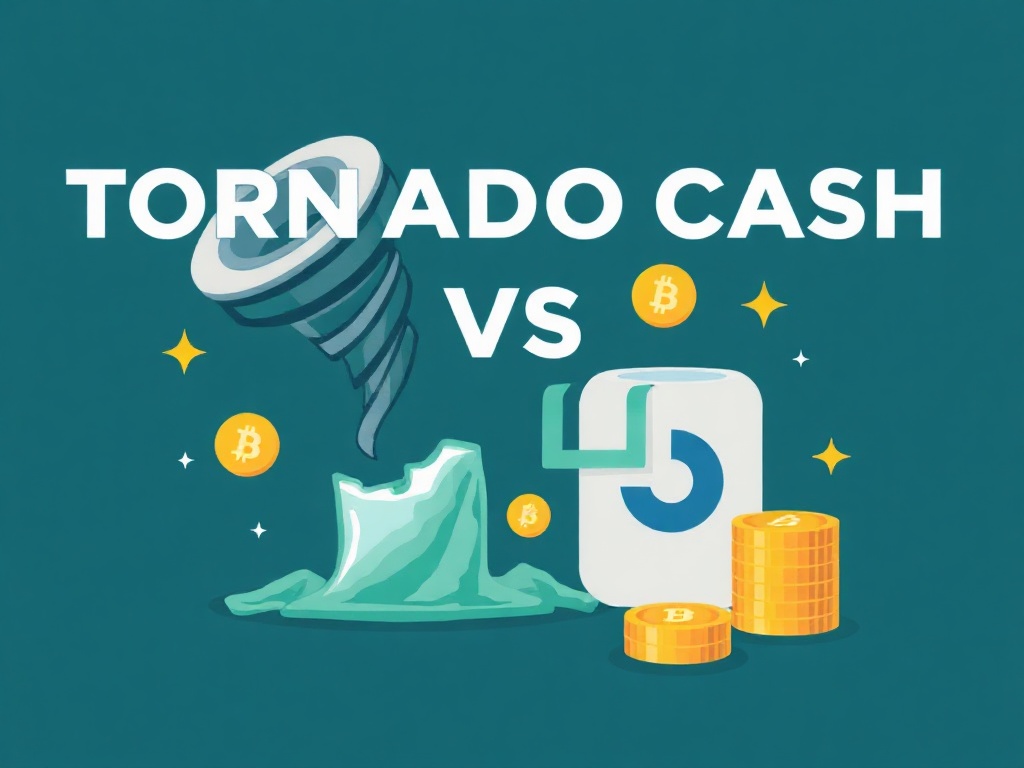
In the rapidly evolving world of cryptocurrency, privacy remains a top concern for users seeking to protect their financial transactions from prying eyes. Two prominent solutions have emerged to address this need: Tornado Cash and traditional Bitcoin mixers. While both aim to enhance anonymity, they operate in fundamentally different ways and cater to distinct user needs. This comprehensive guide explores the key differences, advantages, and potential risks associated with Tornado Cash and Bitcoin mixers, helping you make an informed decision about which privacy tool best suits your requirements.
Understanding Cryptocurrency Privacy Tools
Before diving into the comparison, it's essential to grasp the fundamental concepts behind cryptocurrency privacy solutions. Both Tornado Cash and Bitcoin mixers fall under the category of coin mixing services, which are designed to obscure the trail of transactions on public blockchains like Bitcoin's.
What Are Bitcoin Mixers?
Bitcoin mixers, also known as tumblers, are services that take your Bitcoin and mix it with other users' coins before sending the funds back to you. The process involves:
- Depositing your Bitcoin into the mixer's pool
- Pooling it with other users' deposits
- Returning an equivalent amount of Bitcoin from a different source
This method breaks the direct link between your original coins and the ones you receive, making it more challenging to trace transactions on the blockchain.
What Is Tornado Cash?
Tornado Cash is a decentralized, non-custodial privacy solution built on Ethereum and other compatible blockchains. Unlike traditional Bitcoin mixers, Tornado Cash uses zero-knowledge proofs to enable private transactions without requiring users to trust a central authority. Key features include:
- No deposit or withdrawal of funds to/from a central pool
- Use of cryptographic proofs to verify transactions without revealing transaction details
- Support for multiple cryptocurrencies beyond just Bitcoin
Key Differences Between Tornado Cash and Bitcoin Mixers
While both Tornado Cash and Bitcoin mixers aim to enhance privacy, their underlying technologies and operational models differ significantly. Understanding these distinctions is crucial for users seeking the most appropriate solution for their needs.
Centralization vs. Decentralization
The most fundamental difference lies in their architecture:
- Bitcoin Mixers: Typically operate as centralized services where users deposit funds into a pool managed by a third party. This centralization introduces several risks:
- Risk of funds being stolen or mismanaged by the service provider
- Potential for the service to be shut down by authorities
- Possibility of the mixer keeping logs of transactions
- Tornado Cash: Operates as a decentralized protocol with no central authority. Key characteristics include:
- No single point of failure or control
- No need to trust a third party with your funds
- Resistance to censorship and shutdown attempts
Technological Approach to Privacy
The methods employed by each solution to achieve privacy vary considerably:
- Bitcoin Mixers: Rely on the mixing process where multiple users' coins are pooled together and redistributed. The effectiveness depends on:
- The size of the mixing pool
- The number of mixing rounds
- The reputation of the mixing service
- Tornado Cash: Uses zk-SNARKs (zero-knowledge succinct non-interactive arguments of knowledge) to prove that a transaction occurred without revealing any details about the transaction itself. This approach offers:
- Stronger privacy guarantees
- No need to trust the mixing process
- Mathematically verifiable privacy
Supported Cryptocurrencies
The range of supported assets differs between the two solutions:
- Bitcoin Mixers: Primarily focused on Bitcoin, though some services may support other cryptocurrencies like Litecoin or Bitcoin Cash.
- Tornado Cash: Supports multiple Ethereum-based tokens including:
- Ether (ETH)
- USD Coin (USDC)
- Dai (DAI)
- Other ERC-20 tokens
Security Considerations: Tornado Cash vs Bitcoin Mixer
When evaluating privacy solutions, security should be a top priority. Both Tornado Cash and Bitcoin mixers have unique security profiles that users must understand before making a decision.
Smart Contract Risks in Tornado Cash
As a smart contract-based solution, Tornado Cash introduces specific security considerations:
- Smart Contract Vulnerabilities: While Tornado Cash has undergone extensive audits, smart contracts can still contain bugs or vulnerabilities that might be exploited by attackers.
- Front-Running Attacks: Sophisticated attackers might attempt to front-run transactions to identify users or manipulate the mixing process.
- Governance Risks: Tornado Cash's decentralized governance model could potentially be influenced by malicious actors if a significant portion of governance tokens is acquired.
Trust and Custodial Risks in Bitcoin Mixers
Traditional Bitcoin mixers present different security challenges:
- Custodial Risks: Users must trust the mixer operator with their funds, creating a single point of failure. If the operator is compromised or malicious, funds could be stolen.
- Log Retention: Some mixers may keep logs of transactions, which could be subpoenaed or leaked, compromising user privacy.
- Exit Scams: The centralized nature of Bitcoin mixers makes them vulnerable to exit scams where operators shut down the service and disappear with user funds.
Regulatory Compliance and Legal Risks
Both solutions face regulatory scrutiny, but in different ways:
- Tornado Cash: Has faced significant regulatory challenges, including sanctions from the U.S. Office of Foreign Assets Control (OFAC) in 2022. This has led to:
- Difficulty accessing the protocol through certain interfaces
- Restrictions on some cryptocurrency exchanges
- Increased scrutiny from regulators worldwide
- Bitcoin Mixers: Also face regulatory pressure, with some services shutting down or implementing stricter KYC/AML procedures to comply with regulations. However, the decentralized nature of Tornado Cash makes it more resistant to outright bans.
Practical Considerations: Using Tornado Cash vs Bitcoin Mixer
Beyond technical and security aspects, practical considerations play a significant role in choosing between Tornado Cash and Bitcoin mixers. These include ease of use, costs, and the specific use cases each solution serves best.
Ease of Use and Accessibility
Both solutions have different user experiences that may appeal to different types of users:
- Bitcoin Mixers: Generally offer a simpler user interface with straightforward deposit and withdrawal processes. However, they often require users to:
- Trust the service provider
- Navigate multiple steps to complete the mixing process
- Potentially deal with minimum deposit requirements
- Tornado Cash: Provides a more technical interface that requires understanding of Ethereum wallets and gas fees. Users must:
- Connect a compatible wallet (e.g., MetaMask)
- Pay Ethereum gas fees for transactions
- Understand the concept of deposit and withdrawal addresses
Cost Comparison: Fees and Expenses
The financial cost of using these privacy solutions varies significantly:
- Bitcoin Mixers: Typically charge a percentage-based fee (usually 1-3%) plus potential additional charges for:
- Minimum deposit requirements
- Additional mixing rounds for enhanced privacy
- Withdrawal fees
- Tornado Cash: Charges two types of fees:
- Gas Fees: Required for Ethereum transactions (varies based on network congestion)
- Protocol Fees: A fixed percentage (currently 0.3%) charged by the protocol
For large transactions, Bitcoin mixers might be more cost-effective, while Tornado Cash's fees can become significant during periods of high Ethereum network congestion.
Transaction Speed and Confirmation Times
The time required to complete a privacy transaction differs between the two solutions:
- Bitcoin Mixers: The mixing process can take anywhere from a few minutes to several hours, depending on:
- The mixer's processing speed
- The number of mixing rounds selected
- Bitcoin network congestion
- Tornado Cash: Transactions are typically faster once confirmed on the Ethereum blockchain, usually within:
- 10-30 minutes for deposit confirmation
- Immediate withdrawal after deposit confirmation (depending on pool size)
Use Cases: When to Choose Tornado Cash or a Bitcoin Mixer
Different privacy needs call for different solutions. Understanding the specific use cases where each option excels can help users make the right choice for their particular situation.
Ideal Scenarios for Tornado Cash
Tornado Cash shines in several specific scenarios:
- Large Transactions: Particularly effective for moving large amounts of cryptocurrency while maintaining privacy, as the zk-SNARKs approach provides strong privacy guarantees regardless of transaction size.
- Ethereum and ERC-20 Tokens: The best choice for users looking to privatize transactions involving Ethereum-based assets, including stablecoins like USDC or DAI.
- Decentralization Advocates: Ideal for users who prioritize decentralization and resistance to censorship, as the protocol operates without a central authority.
- Cross-Chain Privacy: While primarily focused on Ethereum, Tornado Cash can be used in conjunction with bridges to achieve privacy across different blockchains.
Best Use Cases for Bitcoin Mixers
Bitcoin mixers remain the preferred choice in certain situations:
- Bitcoin Transactions: The go-to solution for users looking to privatize Bitcoin transactions, as Tornado Cash primarily supports Ethereum-based assets.
- Smaller Transactions: Often more cost-effective for smaller amounts where the fixed costs of Ethereum gas fees would be prohibitive.
- Simplicity and Convenience: Users who prefer a simpler, more straightforward process without needing to understand Ethereum wallets or gas fees.
- Quick Privacy Needs: Situations where users need privacy quickly without waiting for Ethereum network confirmations.
Hybrid Approaches: Combining Both Solutions
In some cases, users might benefit from combining both solutions for enhanced privacy:
- Cross-Chain Privacy: Users can first convert Bitcoin to Wrapped Bitcoin (WBTC) on Ethereum, then use Tornado Cash to privatize the transaction before converting back to native Bitcoin.
- Layered Privacy: For maximum privacy, users might first use a Bitcoin mixer, then bridge the funds to Ethereum and use Tornado Cash for an additional layer of privacy.
- Stablecoin Privacy: Users holding stablecoins on Bitcoin (like wBTC) can leverage Tornado Cash's superior privacy features compared to Bitcoin mixers.
Future Developments and the Evolution of Crypto Privacy
The landscape of cryptocurrency privacy is constantly evolving, with new solutions and improvements emerging regularly. Both Tornado Cash and Bitcoin mixers are likely to see developments that could enhance their capabilities and address current limitations.
Innovations in Tornado Cash
The Tornado Cash team and community are actively working on improvements to the protocol:
- New Cryptocurrency Support: Ongoing efforts to expand support to additional cryptocurrencies and blockchains beyond Ethereum.
- Improved User Interface: Development of more user-friendly interfaces to make the protocol more accessible to non-technical users.
- Enhanced Privacy Features: Research into new cryptographic techniques to further improve privacy guarantees.
- Layer 2 Integration: Plans to integrate with Ethereum Layer 2 solutions to reduce transaction costs and improve speed.
Advancements in Bitcoin Mixing Technology
Bitcoin mixers are also evolving to address current limitations:
- Decentralized Mixers: Development of more decentralized Bitcoin mixing solutions that reduce reliance on central authorities.
- Atomic Swaps: Integration of atomic swap technology to enable trustless mixing without requiring users to deposit funds into a central pool.
- Improved Cryptography: Adoption of more advanced cryptographic techniques to enhance privacy guarantees.
- Regulatory Compliance Tools: Development of tools to help mixers comply with regulations while still providing privacy to users.
The Regulatory Landscape and Its Impact
The regulatory environment surrounding cryptocurrency privacy tools continues to evolve, with significant implications for both Tornado Cash and Bitcoin mixers:
- Global Regulatory Trends: Increasing scrutiny from regulators worldwide, with some jurisdictions implementing stricter AML/KYC requirements for privacy tools.
- Technological Responses: Development of privacy-preserving compliance tools that allow users to prove transaction legitimacy without revealing sensitive information.
- Decentralization as a Defense: The decentralized nature of Tornado Cash provides some protection against regulatory crackdowns compared to centralized Bitcoin mixers.
- User Education: Growing emphasis on educating users about the legal and regulatory implications of using privacy tools in their respective jurisdictions.
Making the Right Choice: Factors to Consider
Selecting between Tornado Cash and Bitcoin mixers ultimately depends on your specific needs, technical proficiency, and risk tolerance. Consider the following factors when making your decision:
Your Privacy Requirements
Assess the level of privacy you need for your transactions:
- Basic Privacy: If you only need to obscure small transactions occasionally, a Bitcoin mixer might suffice.
- Advanced Privacy: For large transactions or when dealing with significant amounts, Tornado Cash's stronger privacy guarantees may be preferable.
- Regulatory Considerations: Research the legal status of privacy tools in your jurisdiction to ensure compliance with local regulations.
Technical Knowledge and Comfort Level
Your familiarity with cryptocurrency technologies will influence which solution works best for you:
- Beginner-Friendly: Bitcoin mixers generally offer a more straightforward user experience for those new to cryptocurrency privacy tools.
- Technical Users: Tornado Cash's interface and underlying technology may appeal to users comfortable with Ethereum wallets and smart contracts.
- Learning Curve: Consider whether you're willing to invest time in learning how to use Tornado Cash effectively.
Cost Considerations
Evaluate the financial implications of using each solution:
- Transaction Size: For small transactions, Bitcoin mixers may be more cost-effective. For large transactions, the fixed costs of Tornado Cash might be justified by superior privacy.
- Network Fees: Monitor Ethereum gas fees when using Tornado Cash, as these can significantly impact the total cost during periods of high congestion.
- Hidden Costs: Factor in potential risks such as fund loss with Bitcoin mixers or regulatory penalties for using privacy tools in certain jurisdictions.

Tornado Cash vs Bitcoin Mixer: Navigating Privacy Tools in Crypto Investments
As a crypto investment advisor with over a decade of experience, I’ve seen firsthand how privacy tools like Tornado Cash and Bitcoin mixers can shape investment strategies—and regulatory risks. These services, designed to obscure transaction trails, serve a legitimate purpose for users seeking financial privacy. However, their legal and ethical implications differ significantly. Tornado Cash, a decentralized Ethereum-based mixer, faced severe scrutiny from regulators, including the U.S. Treasury, which sanctioned it in 2022 for allegedly facilitating money laundering. Bitcoin mixers, while similar in function, operate differently by pooling transactions across multiple addresses. The key distinction lies in their design: Tornado Cash uses smart contracts to automate mixing, whereas Bitcoin mixers rely on manual or semi-automated processes. For investors, this raises critical questions about compliance and exposure to illicit activity risks.
From a practical standpoint, the choice between Tornado Cash and Bitcoin mixers should align with your risk tolerance and investment goals. If you prioritize regulatory compliance, Bitcoin mixers may offer a more discreet alternative, though they’re not immune to scrutiny. However, the decentralized nature of Tornado Cash—despite its legal challenges—demonstrates how privacy tools can evolve in response to censorship. Investors must weigh the potential benefits of anonymity against the growing crackdown on such services. My advice? Diversify your privacy strategies, stay informed on regulatory shifts, and consider consulting legal experts before using these tools. In crypto, privacy isn’t just about anonymity—it’s about resilience.