Understanding Anonymous Dash Transactions: Privacy, Security, and Best Practices
In the evolving landscape of digital finance, anonymous Dash transactions have emerged as a cornerstone for users seeking financial privacy without sacrificing efficiency. Dash, a cryptocurrency built on the Bitcoin framework, distinguishes itself with features like InstantSend and PrivateSend, which facilitate rapid and confidential transactions. This comprehensive guide explores the intricacies of anonymous Dash transactions, their underlying mechanisms, benefits, risks, and best practices for users who prioritize discretion in their financial dealings.
The Evolution of Dash and Its Privacy Features
Dash, originally launched as "Darkcoin" in 2014, was designed with a primary focus on anonymity. Over the years, it has evolved into a robust cryptocurrency that balances speed, scalability, and privacy. The platform's commitment to anonymous Dash transactions is evident in its core features, which set it apart from other digital currencies.
The Role of Masternodes in Privacy
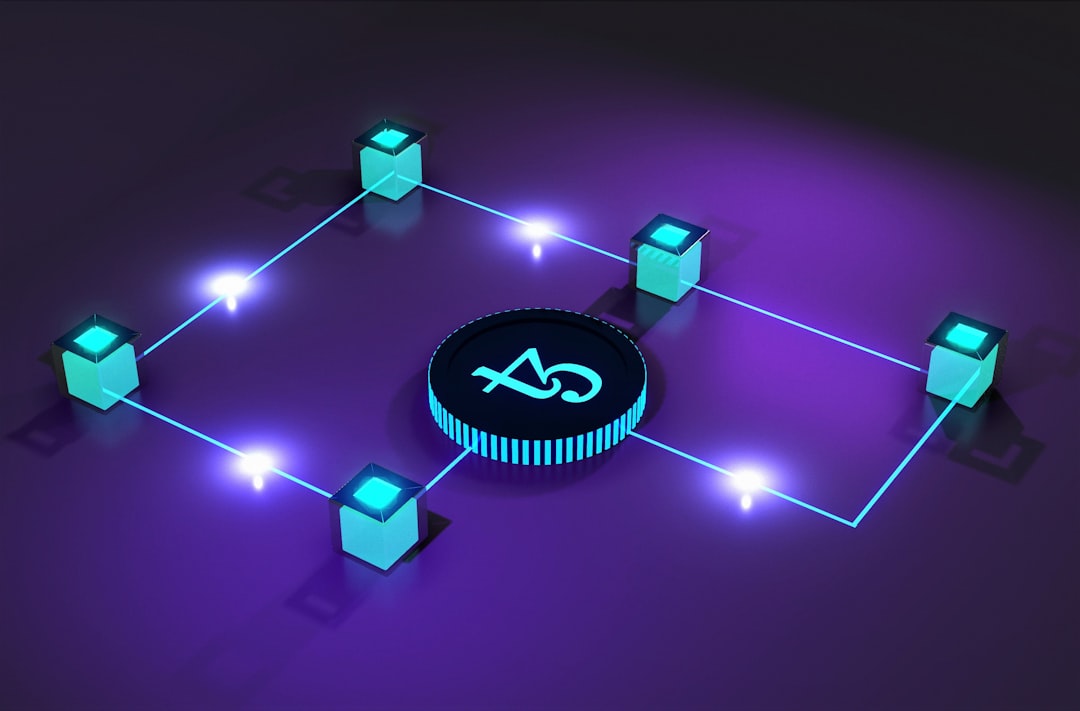
Dash operates on a two-tier network: miners, who secure the blockchain, and masternodes, which enable advanced features such as PrivateSend. Masternodes are full nodes that require a collateral of 1,000 DASH to operate. Their primary function in the context of anonymous Dash transactions is to mix funds, obscuring the transaction trail and enhancing privacy.
When a user initiates a PrivateSend transaction, masternodes work in tandem to break down the transaction into smaller denominations and mix them with other users' funds. This process, known as "coin mixing" or "tumbling," ensures that the origin and destination of funds remain indistinguishable on the blockchain. The decentralized nature of masternodes further strengthens the security and reliability of this process.
InstantSend vs. PrivateSend: Key Differences
While both InstantSend and PrivateSend are integral to Dash's functionality, they serve distinct purposes. InstantSend enables near-instantaneous transactions by locking inputs and preventing double-spending, making it ideal for everyday purchases. In contrast, anonymous Dash transactions are facilitated by PrivateSend, which focuses on privacy rather than speed.
InstantSend transactions are confirmed within seconds, whereas PrivateSend transactions may take slightly longer due to the mixing process. However, the trade-off for this additional time is unparalleled privacy, as PrivateSend transactions are virtually untraceable on the blockchain. Users must understand these differences to leverage Dash's features effectively.
How Anonymous Dash Transactions Work: A Step-by-Step Guide
To fully appreciate the benefits of anonymous Dash transactions, it's essential to understand the technical process behind them. PrivateSend transactions rely on a series of cryptographic and network-based mechanisms to ensure privacy. Below is a detailed breakdown of how these transactions are executed.
Step 1: Initiating a PrivateSend Transaction
Users begin by selecting the PrivateSend option in their Dash wallet. The wallet software then divides the transaction amount into standard denominations (0.01 DASH, 0.1 DASH, 1 DASH, and 10 DASH). This step is crucial because it ensures that the transaction cannot be linked to the user's original funds.
The wallet then sends a request to the Dash network, specifically to masternodes, to initiate the mixing process. The user's wallet communicates with multiple masternodes to ensure that no single node has complete control over the transaction, further enhancing privacy.
Step 2: The Mixing Process
Once the request is received, masternodes begin the mixing process by combining the user's funds with those of other users. Each masternode shuffles the funds, breaking the link between the original sender and the final recipient. This process is repeated multiple times, with each iteration increasing the complexity of the transaction trail.
The mixing process is entirely decentralized, meaning that no single entity controls the flow of funds. This decentralization is a key factor in ensuring that anonymous Dash transactions remain resistant to censorship and surveillance.
Step 3: Finalizing the Transaction
After the mixing process is complete, the transaction is broadcast to the Dash network. The final recipient receives the funds without any traceable connection to the original sender. The entire process is designed to be seamless, with minimal user intervention required.
It's important to note that PrivateSend transactions are not entirely free from fees. Users are required to pay a small fee to masternodes for their services. However, this fee is typically negligible compared to the privacy benefits provided by anonymous Dash transactions.
Benefits of Anonymous Dash Transactions
The primary advantage of anonymous Dash transactions is, of course, privacy. However, the benefits extend beyond mere anonymity. Below are some of the key advantages that make Dash a preferred choice for privacy-conscious users.
Enhanced Financial Privacy
In an era where financial surveillance is becoming increasingly prevalent, the ability to conduct transactions without exposing personal information is invaluable. Anonymous Dash transactions ensure that users' financial activities remain confidential, protecting them from prying eyes such as governments, corporations, or malicious actors.
Unlike traditional banking systems, which require extensive personal information for transactions, Dash allows users to transact pseudonymously. This level of privacy is particularly appealing to individuals living in countries with oppressive financial regulations or those who simply value their financial autonomy.
Resistance to Censorship
Dash's decentralized nature makes it inherently resistant to censorship. Unlike traditional financial systems, which can freeze accounts or block transactions based on arbitrary criteria, Dash transactions are irreversible and cannot be censored by any central authority. This feature is particularly beneficial for users in regions with strict capital controls or political instability.
Anonymous Dash transactions further enhance this resistance by making it nearly impossible to trace the flow of funds. This ensures that users can transact freely without fear of retaliation or interference.
Speed and Efficiency
While privacy is Dash's primary selling point, the platform also excels in terms of speed and efficiency. InstantSend transactions are confirmed within seconds, making Dash a viable option for everyday purchases. Even PrivateSend transactions, which prioritize privacy over speed, are completed within a reasonable timeframe.
This combination of speed and privacy makes Dash a versatile cryptocurrency that can be used for both small and large transactions. Whether you're purchasing goods online or transferring significant sums, anonymous Dash transactions offer a reliable and efficient solution.
Potential Risks and Challenges of Anonymous Dash Transactions
While anonymous Dash transactions offer numerous benefits, they are not without their risks and challenges. Users must be aware of these potential drawbacks to make informed decisions about their financial activities.
Regulatory Scrutiny
One of the most significant challenges facing anonymous Dash transactions is regulatory scrutiny. Governments and financial authorities worldwide are increasingly focused on cryptocurrencies that offer anonymity, as they can be used for illicit activities such as money laundering or terrorism financing.
Dash has taken steps to comply with regulations, such as implementing Know Your Customer (KYC) and Anti-Money Laundering (AML) measures for certain services. However, the core functionality of PrivateSend remains largely untouched by these regulations, which could lead to legal challenges in the future.
Users should stay informed about the regulatory landscape in their jurisdiction to avoid potential legal repercussions associated with anonymous Dash transactions.
Security Vulnerabilities
While Dash's masternode network is designed to enhance security, it is not immune to vulnerabilities. For instance, if a significant number of masternodes are compromised, the integrity of the mixing process could be jeopardized. Additionally, users must take precautions to secure their wallets, as a compromised wallet could lead to the loss of funds.
To mitigate these risks, users should follow best practices such as using hardware wallets, enabling two-factor authentication, and keeping their software up to date. By taking these precautions, users can significantly reduce the risk of falling victim to security breaches in anonymous Dash transactions.
Transaction Fees and Costs
While the fees for anonymous Dash transactions are generally low, they can add up over time, especially for users who frequently utilize PrivateSend. Additionally, the collateral requirement for running a masternode (1,000 DASH) is substantial, making it inaccessible for many users.
Users should carefully consider the costs associated with anonymous Dash transactions and weigh them against the benefits. For occasional users, the fees may be negligible, but frequent users or businesses may need to evaluate the long-term financial implications.
Best Practices for Conducting Anonymous Dash Transactions
To maximize the benefits of anonymous Dash transactions while minimizing risks, users should adhere to a set of best practices. These guidelines are designed to enhance privacy, security, and overall transaction efficiency.
Choosing the Right Wallet
The first step in conducting secure anonymous Dash transactions is selecting a reliable wallet. Dash offers several wallet options, including desktop, mobile, and hardware wallets. Each type has its advantages and disadvantages, so users should choose based on their specific needs.
- Desktop Wallets: These are suitable for users who prefer a balance between convenience and security. Popular options include the Dash Core Wallet and Dash Electrum.
- Mobile Wallets: Ideal for users who need to transact on the go. Examples include the Dash Wallet for Android and iOS.
- Hardware Wallets: The most secure option for storing large amounts of Dash. Devices like the Ledger Nano S and Trezor are compatible with Dash and offer robust protection against hacking attempts.
Regardless of the wallet type, users should ensure that it supports PrivateSend and InstantSend functionalities. Additionally, they should regularly update their wallet software to protect against known vulnerabilities.
Utilizing Mixing Services Effectively
While Dash's built-in PrivateSend feature is robust, users can further enhance their privacy by utilizing additional mixing services. These third-party services, such as Dashmix or CoinJoin, offer additional layers of obfuscation for transactions.
However, users should exercise caution when using third-party mixing services, as some may not be trustworthy. It's essential to research and select reputable services that have a proven track record of reliability and security. Additionally, users should avoid mixing services that require excessive personal information, as this defeats the purpose of anonymous Dash transactions.
Practicing Operational Security (OpSec)
Operational security is critical for maintaining the privacy of anonymous Dash transactions. Users should adopt a proactive approach to safeguarding their financial activities, including:
- Using VPNs and Tor: Virtual Private Networks (VPNs) and the Tor network can help mask users' IP addresses, making it more difficult for third parties to trace transactions back to their origin.
- Avoiding Public Wi-Fi: Public Wi-Fi networks are often unsecured and can be exploited by hackers to intercept sensitive information. Users should avoid conducting transactions on public networks.
- Regularly Changing Addresses: To further obscure transaction trails, users should generate new Dash addresses for each transaction. This practice, known as "address reuse prevention," significantly enhances privacy.
By implementing these OpSec measures, users can significantly reduce the risk of their anonymous Dash transactions being compromised.
Staying Informed About Regulatory Changes
The regulatory landscape for cryptocurrencies is constantly evolving, and users of anonymous Dash transactions must stay informed about changes that could impact their activities. Governments worldwide are increasingly scrutinizing privacy-focused cryptocurrencies, and new regulations could impose restrictions on their use.
Users should follow reputable cryptocurrency news sources, join Dash-focused communities, and consult legal experts if necessary. By staying ahead of regulatory developments, users can ensure that their transactions remain compliant with local laws while still enjoying the benefits of anonymity.
Comparing Dash to Other Privacy-Focused Cryptocurrencies
Dash is not the only cryptocurrency that offers privacy features. Several other digital currencies, such as Monero, Zcash, and Bitcoin Private, also prioritize anonymity. To help users make informed decisions, this section compares Dash to its peers in terms of privacy, security, and usability.
Dash vs. Monero
Monero is widely regarded as the gold standard for privacy-focused cryptocurrencies. It utilizes ring signatures, stealth addresses, and confidential transactions to obscure transaction details. In comparison, Dash's PrivateSend feature relies on coin mixing, which, while effective, may not offer the same level of anonymity as Monero's advanced cryptographic techniques.
However, Dash has an advantage in terms of transaction speed and scalability. Monero's privacy features often result in slower transaction times and higher fees, whereas Dash's InstantSend and PrivateSend offer a more balanced approach. Users who prioritize speed and efficiency may find anonymous Dash transactions more suitable, while those who demand absolute privacy may prefer Monero.
Dash vs. Zcash
Zcash offers two types of transactions: transparent and shielded. Shielded transactions utilize zk-SNARKs, a cryptographic proof that conceals transaction details while still verifying their validity. This approach provides a higher level of privacy than Dash's coin mixing, as it does not rely on a network of masternodes.
On the downside, Zcash's shielded transactions are computationally intensive, leading to slower confirmation times and higher fees. Additionally, Zcash's privacy features are optional, meaning that users must actively choose to use shielded transactions. In contrast, anonymous Dash transactions are seamlessly integrated into the platform, making them more accessible to the average user.
Dash vs. Bitcoin Private
Bitcoin Private is a fork of Bitcoin that combines the privacy features of Zclassic with Bitcoin's blockchain. It offers shielded transactions similar to Zcash, providing a high level of anonymity. However, Bitcoin Private's adoption and ecosystem are significantly smaller than Dash's, which limits its usability and liquidity.
Dash's established network of masternodes and widespread merchant adoption make it a more practical choice for users seeking anonymous Dash transactions. While Bitcoin Private may offer superior privacy in theory, its lack of infrastructure could pose challenges for users looking to transact in the real world.
The Future of Anonymous Dash Transactions
The future of anonymous Dash transactions is shaped by technological advancements, regulatory developments, and market dynamics. As Dash continues to evolve, several trends and innovations could impact the privacy landscape for its users.
Technological Advancements
Dash's development team is constantly working on improving the platform's privacy features. One of the most anticipated advancements is the integration of CoinJoin directly into the Dash Core wallet. CoinJoin is a privacy protocol that combines multiple transactions into a single transaction, making it more difficult to trace individual payments.
Additionally, Dash is exploring the use of zero-knowledge proofs and other advanced cryptographic techniques to further enhance privacy. These innovations could position Dash as a leader in the privacy-focused cryptocurrency space, offering users even greater anonymity in their transactions.
Regulatory Developments
The regulatory environment for cryptocurrencies is likely to become more stringent in the coming years. Governments worldwide are increasingly focused on combating illicit activities facilitated by privacy coins, which could lead to restrictions on their use. Dash has already taken steps to comply with regulations, such as implementing AML and KYC measures for certain services.
However, the core functionality of anonymous Dash transactions remains largely unaffected by these regulations. Dash's development team is actively engaging with regulators to ensure that the platform remains compliant while still offering robust privacy features. Users should stay informed about these developments to navigate the evolving regulatory landscape effectively.
Market Adoption and Merchant Integration
The widespread adoption of Dash by merchants and service providers is crucial for its long-term success. As more businesses accept Dash as a form of payment, the utility of anonymous Dash transactions will increase, making it a more attractive option for users.
Dash has made significant strides in this area, with partnerships in regions such as Venezuela, where economic instability has driven demand for privacy-focused financial solutions. Continued efforts to expand merchant adoption will be key to Dash's growth and relevance in the global cryptocurrency market.
Common Misconceptions About Anonymous Dash Transactions
Despite the growing popularity of anonymous Dash transactions, several misconceptions persist about the platform's privacy features and capabilities. Addressing these myths is essential for users to make informed decisions about their financial activities.
Myth 1: Anonymous Dash Transactions Are Completely Untraceable
While anonymous Dash transactions significantly enhance privacy, they are not entirely untraceable. The mixing process obfuscates the transaction trail, but it does not eliminate it entirely. Law enforcement agencies and sophisticated analysts may still be able to trace transactions under certain conditions, particularly if they have access to additional data or leverage blockchain analysis tools.
Users should be aware that anonymous Dash transactions provide a high degree of privacy but not absolute anonymity. Adopting best practices, such as using VPNs and regularly changing addresses, can further reduce traceability.
Myth 2: Dash Is Only for Illicit Activities
A common misconception is that Dash is primarily used for illicit activities due to its privacy features. While it is true that anonymous Dash transactions can be used to

The Future of Privacy in Crypto: Evaluating Anonymous Dash Transactions
As a certified financial analyst with over a decade of experience in cryptocurrency investments, I’ve seen firsthand how privacy-focused transactions are reshaping investor behavior. Anonymous Dash transactions represent one of the most compelling innovations in this space, offering a balance between financial transparency and personal privacy. Unlike traditional cryptocurrencies that leave a public ledger traceable by anyone, Dash’s PrivateSend feature leverages a decentralized mixing protocol to obscure transaction origins. This isn’t just about anonymity for illicit activities—it’s about empowering individuals in regions with oppressive financial systems or those who simply value discretion in their wealth management. From an investment perspective, Dash’s commitment to privacy could position it as a preferred medium of exchange for high-net-worth individuals and businesses seeking to mitigate counterparty risk.
However, anonymous Dash transactions aren’t without challenges. Regulatory scrutiny is intensifying, particularly in jurisdictions like the EU and U.S., where anti-money laundering (AML) laws are tightening. Investors must weigh the long-term viability of privacy coins against potential delistings or restricted access on major exchanges. Practically speaking, while PrivateSend is effective, it’s not foolproof—advanced blockchain analysis tools can sometimes trace mixed transactions. For institutional players, this means implementing robust compliance frameworks alongside privacy tools. My advice? Diversify exposure to privacy coins like Dash, but pair it with a clear risk management strategy. The demand for financial privacy isn’t going away, but the regulatory landscape will continue to evolve—staying ahead means staying informed.