Understanding Anonymous Dogecoin Transactions: Privacy, Methods, and Best Practices
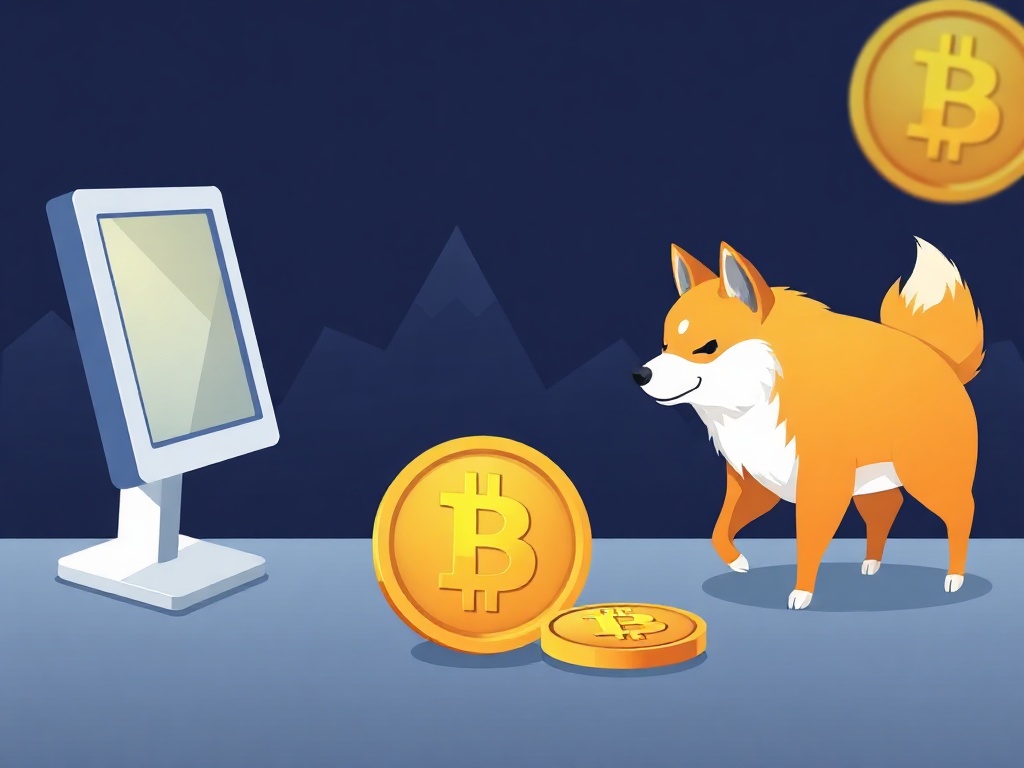
In the evolving landscape of cryptocurrency, privacy remains a top concern for many users. While Dogecoin (DOGE) is widely recognized for its fast transactions and low fees, it is not inherently anonymous. This has led to growing interest in anonymous Dogecoin transactions, which allow users to enhance their financial privacy when transacting with DOGE. Whether you're a privacy advocate, a trader, or simply someone looking to protect your financial data, understanding how to achieve anonymity with Dogecoin is essential.
This comprehensive guide explores the concept of anonymous Dogecoin transactions, the methods available to achieve them, their benefits and risks, and best practices for maintaining privacy in the Dogecoin ecosystem. By the end of this article, you'll have a clear understanding of how to transact with Dogecoin while minimizing exposure of your personal and financial information.
---Why Anonymity Matters in Dogecoin Transactions
Dogecoin, like most cryptocurrencies, operates on a public blockchain. This means that every transaction is recorded on a distributed ledger that anyone can view. While transactions are pseudonymous—using wallet addresses instead of real names—they are not entirely private. With enough effort, blockchain analysis tools can trace transactions back to individuals, potentially compromising privacy.
The Risks of Public Blockchain Transparency
Public blockchains like Dogecoin's offer transparency, which is beneficial for security and trust. However, this transparency can also pose significant privacy risks:
- Transaction Linkability: Every Dogecoin transaction is linked to a wallet address. If an address is associated with your identity (e.g., through an exchange or service), all past and future transactions from that address can be traced.
- Address Clustering: Advanced blockchain analysis can group multiple addresses controlled by the same entity, revealing patterns of behavior and potentially identifying users.
- Exchange Exposure: Most users acquire Dogecoin through exchanges, which require identity verification (KYC). This means your real-world identity is linked to your Dogecoin wallet address, undermining anonymity.
How Anonymous Dogecoin Transactions Address These Risks
Anonymous Dogecoin transactions aim to break the link between your identity and your transactions. By using privacy-enhancing techniques, you can transact with Dogecoin without revealing your financial history or personal information. This is particularly important for:
- Privacy-conscious individuals who wish to keep their financial activities private.
- Businesses that need to protect sensitive transaction data from competitors or malicious actors.
- Users in regions with strict financial regulations or surveillance.
While achieving complete anonymity is challenging, anonymous Dogecoin transactions significantly reduce the risk of exposure by obfuscating transaction trails.
---Methods for Achieving Anonymous Dogecoin Transactions
Several methods can help you achieve greater anonymity when transacting with Dogecoin. Each method has its own advantages and limitations, and the best approach depends on your specific needs and risk tolerance. Below, we explore the most effective techniques for anonymous Dogecoin transactions.
1. Using Privacy-Focused Wallets
Privacy-focused wallets are designed to enhance anonymity by minimizing the exposure of your wallet address and transaction history. These wallets often include features like:
- Stealth Addresses: Generate a unique address for each transaction, making it difficult to link transactions to your wallet.
- Coin Mixing: Combine your Dogecoin with other users' coins to obscure the transaction trail.
- Tor Integration: Route transactions through the Tor network to hide your IP address and location.
Some popular privacy-focused wallets that support Dogecoin include:
- Samourai Wallet: Primarily designed for Bitcoin but can be used with Dogecoin via compatible tools. Offers advanced privacy features like stonewalling and payjoin.
- Wasabi Wallet: Another Bitcoin-focused wallet with strong privacy features, including coin mixing (CoinJoin). While not natively supporting Dogecoin, third-party tools can enable its use.
- DogeChain Wallet: A Dogecoin-specific wallet with built-in privacy features, including stealth addresses and transaction obfuscation.
2. Coin Mixing Services (Dogecoin Tumblers)
Coin mixing, also known as "tumbler" services, is one of the most effective ways to achieve anonymous Dogecoin transactions. These services pool Dogecoin from multiple users and redistribute it in a way that severs the link between the sender and receiver. Here’s how it works:
How Coin Mixing Works
- Deposit: You send your Dogecoin to the mixing service’s address.
- Pooling: The service combines your coins with those of other users, breaking the transaction trail.
- Redistribution: After a set time or when the pool reaches a certain size, the service sends you "clean" Dogecoin from a different address.
Popular Dogecoin mixing services include:
- BitcoinMix.org: Supports Dogecoin and offers customizable mixing times and fees.
- CryptoMixer.io: A well-established mixing service with a strong reputation for security and reliability.
- MixTum: Offers low fees and supports multiple cryptocurrencies, including Dogecoin.
Pros and Cons of Coin Mixing
Pros:
- Highly effective at breaking transaction trails.
- Relatively easy to use, even for beginners.
- Can be combined with other privacy methods for enhanced anonymity.
Cons:
- Trust Required: You must trust the mixing service not to steal your funds or log your transactions.
- Fees: Mixing services charge fees, typically ranging from 1% to 3% of the transaction amount.
- Regulatory Scrutiny: Some mixing services have faced legal challenges or shutdowns due to regulatory pressure.
3. Using the Tor Network for Transactions
The Tor network is a free, open-source tool that anonymizes internet traffic by routing it through a series of volunteer-operated servers. Using Tor for your Dogecoin transactions can help hide your IP address and location, making it harder for third parties to track your activities.
How to Use Tor for Dogecoin Transactions
- Download and Install Tor Browser: Available for Windows, macOS, and Linux, the Tor Browser can be downloaded from the official Tor Project website.
- Configure Your Wallet for Tor: Some wallets, like Wasabi Wallet, support Tor integration. For others, you may need to configure your system’s proxy settings to route all traffic through Tor.
- Send and Receive Dogecoin: Conduct your transactions while connected to the Tor network to mask your IP address.
Benefits of Using Tor:
- Hides your IP address, preventing tracking by ISPs or malicious actors.
- Can be combined with other privacy methods, such as coin mixing, for enhanced anonymity.
- Free and open-source, with no central authority controlling the network.
Limitations of Using Tor:
- Slower transaction speeds due to the additional routing layers.
- Some exchanges and services may block Tor exit nodes, limiting usability.
- Not all wallets support Tor integration, requiring manual configuration.
4. Peer-to-Peer (P2P) Transactions
Peer-to-peer (P2P) transactions involve directly exchanging Dogecoin with another individual without the involvement of a centralized exchange. This method can enhance anonymity by reducing the number of third parties with access to your transaction data.
How P2P Transactions Work
- Find a Counterparty: Use P2P platforms like LocalBitcoins (which also supports Dogecoin) or Bisq to find someone willing to trade Dogecoin for cash, gift cards, or other cryptocurrencies.
- Agree on Terms: Discuss the exchange rate, payment method, and any other terms with the counterparty.
- Complete the Transaction: Send your Dogecoin to the counterparty’s wallet address, and they will send the agreed-upon payment to you.
Benefits of P2P Transactions:
- No need to link your identity to an exchange, reducing KYC exposure.
- Flexible payment methods, including cash or untraceable payment systems.
- Can be combined with other privacy methods, such as coin mixing, for added security.
Risks of P2P Transactions:
- Scams: P2P platforms can attract scammers, so it’s essential to use escrow services or meet in person for cash trades.
- Limited Liquidity: Finding a counterparty willing to trade Dogecoin may be challenging in some regions.
- Regulatory Risks: Some jurisdictions regulate P2P trading, and you may need to comply with local laws.
5. Using Decentralized Exchanges (DEXs)
Decentralized exchanges (DEXs) allow users to trade cryptocurrencies directly from their wallets without the need for a centralized authority. While DEXs do not inherently provide anonymity, they can reduce exposure to KYC requirements and centralized tracking.
Popular DEXs that support Dogecoin include:
- Uniswap: Primarily for Ethereum-based tokens but can be used with wrapped Dogecoin (e.g., WDOGE) on Ethereum-compatible networks.
- PancakeSwap: A Binance Smart Chain-based DEX that supports wrapped Dogecoin.
- Bisq: A fully decentralized, peer-to-peer exchange that supports Dogecoin without requiring KYC.
Benefits of Using DEXs for Anonymity:
- No need to link your identity to an exchange, reducing KYC exposure.
- Direct wallet-to-wallet transactions minimize third-party involvement.
- Some DEXs, like Bisq, are designed with privacy in mind.
Limitations of Using DEXs:
- Liquidity may be lower than on centralized exchanges, leading to higher slippage.
- Some DEXs require wrapping Dogecoin, which may introduce additional complexity.
- Smart contract risks (e.g., hacks or bugs) may affect funds.
Best Practices for Maintaining Anonymity with Dogecoin
Achieving anonymous Dogecoin transactions requires more than just using a single tool or method. It involves adopting a holistic approach to privacy, combining multiple techniques and following best practices to minimize exposure. Below are essential strategies to enhance your anonymity when transacting with Dogecoin.
1. Use a Dedicated Wallet for Anonymous Transactions
Creating a separate wallet specifically for anonymous transactions can help compartmentalize your financial activities and reduce the risk of linking your identity to your transaction history.
Steps to Set Up a Dedicated Wallet:
- Choose a Privacy-Focused Wallet: Select a wallet with strong privacy features, such as stealth addresses or coin mixing.
- Generate a New Wallet: Use the wallet’s built-in tools to create a fresh wallet address. Avoid reusing addresses from other wallets.
- Fund the Wallet Anonymously: Acquire Dogecoin through methods that don’t require KYC, such as P2P trades, mining, or privacy-focused exchanges like Bisq.
- Use the Wallet Exclusively for Anonymous Transactions: Avoid mixing funds from different sources to prevent cross-contamination of transaction trails.
2. Avoid Linking Your Identity to Your Wallet
One of the biggest risks to anonymity is inadvertently linking your real-world identity to your Dogecoin wallet. This can happen through:
- Using an exchange that requires KYC to fund your wallet.
- Receiving Dogecoin from a source that knows your identity (e.g., a friend or employer).
- Posting your wallet address publicly (e.g., on social media or forums).
Tips to Avoid Identity Linkage:
- Use Privacy-Focused Exchanges: Exchanges like Bisq or Hodl Hodl do not require KYC for trading.
- Use Cash or Untraceable Payment Methods: When acquiring Dogecoin through P2P trades, prefer cash or payment methods that don’t leave a digital trail (e.g., gift cards).
- Never Share Your Wallet Address Publicly: Treat your wallet address like a password—keep it private to prevent others from linking it to your identity.
3. Combine Multiple Privacy Methods
No single method can guarantee complete anonymity, but combining multiple techniques can significantly enhance your privacy. For example:
- Use Tor + Coin Mixing: Route your transactions through the Tor network and then use a coin mixing service to further obfuscate the transaction trail.
- Use a Privacy Wallet + P2P Trades: Store your Dogecoin in a privacy-focused wallet and acquire it through P2P trades to avoid KYC exposure.
- Use a DEX + Stealth Addresses: Trade Dogecoin on a decentralized exchange and use a wallet with stealth address support to break transaction links.
Example Workflow for Maximum Anonymity:
- Acquire Dogecoin through a P2P trade using cash.
- Store the Dogecoin in a privacy-focused wallet like DogeChain Wallet.
- Use the Tor network to connect to the wallet and send the Dogecoin to a coin mixing service.
- After mixing, receive the "clean" Dogecoin in a new wallet address.
- Use the cleaned Dogecoin for further transactions, ensuring no link to your original wallet.
4. Regularly Rotate Wallet Addresses
Reusing wallet addresses is a common mistake that can compromise your anonymity. Each time you use a new address, you reduce the risk of linking your transactions to a single identity.
How to Rotate Wallet Addresses:
- Use Hierarchical Deterministic (HD) Wallets: HD wallets generate a new address for each transaction automatically, making it easier to rotate addresses.
- Manually Generate New Addresses: If your wallet doesn’t support HD, manually generate a new address for each transaction.
- Avoid Address Reuse: Never use the same address for receiving multiple transactions, as this can create a clear transaction trail.
5. Monitor and Clean Your Transaction History
Even with the best privacy methods, traces of your transactions may remain on the blockchain. Regularly monitoring and cleaning your transaction history can help maintain anonymity.
Tools for Monitoring and Cleaning Transactions:
- Blockchain Explorers: Use tools like Dogechain Explorer to analyze your transaction history and identify potential links.
- Privacy-Focused Transaction Analyzers: Tools like KYCP (Know Your Customer’s Privacy) can help assess the privacy level of your transactions.
- Coin Mixing Services: Regularly use coin mixing
 James RichardsonSenior Crypto Market Analyst
The Future of Anonymous Dogecoin Transactions: Balancing Privacy and Adoption in the Crypto Ecosystem
As a Senior Crypto Market Analyst with over a decade of experience in digital asset research, I’ve observed that privacy in cryptocurrency transactions remains one of the most contentious yet critical debates in the space. While Dogecoin (DOGE) was originally designed as a lighthearted, meme-based cryptocurrency, its growing institutional adoption—particularly in payment systems and corporate treasuries—has reignited discussions about the feasibility and necessity of anonymous dogecoin transactions. From a market perspective, privacy features could enhance DOGE’s utility as a medium of exchange by addressing concerns around financial surveillance and censorship resistance. However, the implementation of such features must be carefully balanced with regulatory compliance, as anonymity can inadvertently facilitate illicit activities, potentially triggering stricter oversight from authorities like FinCEN or the SEC.
Practically speaking, achieving anonymous dogecoin transactions is not a straightforward endeavor. Unlike privacy-focused coins such as Monero (XMR) or Zcash (ZEC), which were built from the ground up with anonymity in mind, Dogecoin’s codebase is derived from Bitcoin’s early iterations, lacking native privacy-preserving mechanisms like ring signatures or zk-SNARKs. This means that any attempt to introduce anonymity would likely require a hard fork or the integration of secondary-layer solutions, such as CoinJoin or stealth addresses, which come with their own trade-offs in terms of scalability and user experience. For institutional players and exchanges already integrating DOGE, the adoption of such solutions would necessitate robust compliance frameworks to mitigate risks associated with money laundering or sanctions evasion. Ultimately, while anonymous dogecoin transactions could position DOGE as a more versatile digital asset, the path forward will depend on whether the community and developers prioritize privacy without compromising the coin’s core value proposition: simplicity, speed, and widespread accessibility.