Understanding Cold Wallet Payouts: Secure Bitcoin Transactions Explained
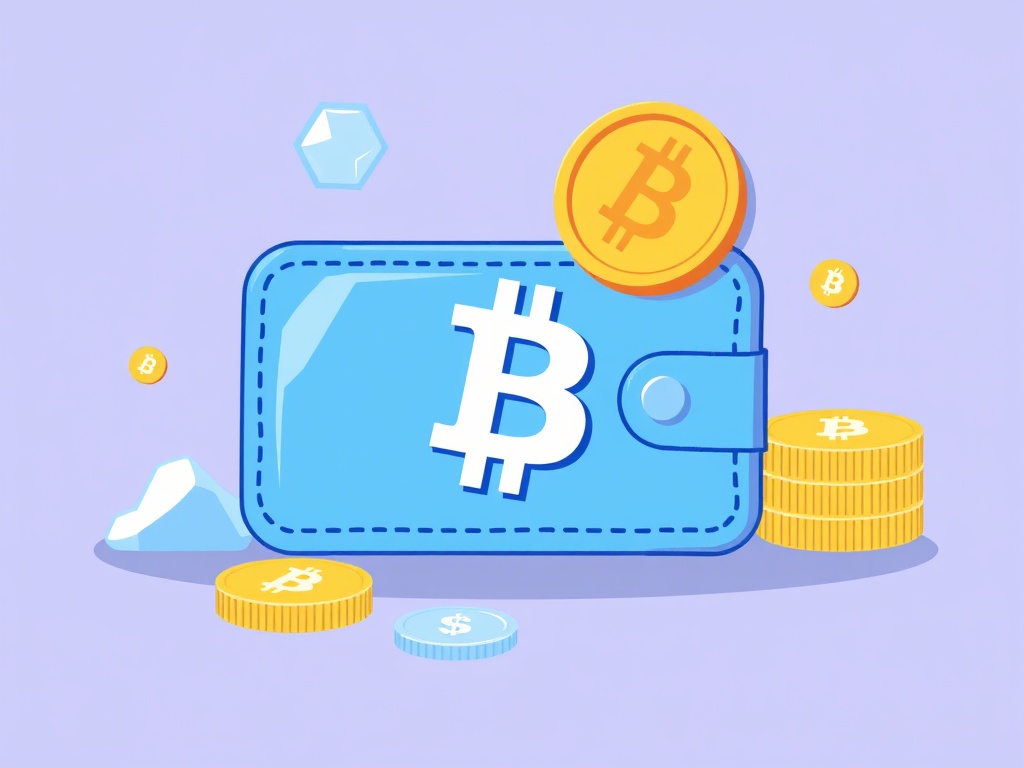
In the rapidly evolving world of cryptocurrency, security remains a top priority for investors and traders alike. One of the most effective ways to safeguard your digital assets is by using a cold wallet payout. Unlike hot wallets, which are connected to the internet and vulnerable to hacking, cold wallets store your private keys offline, providing an extra layer of protection. This article delves into the intricacies of cold wallet payouts, their benefits, how they work, and best practices for using them securely.
Whether you're a seasoned crypto enthusiast or a newcomer to the space, understanding cold wallet payouts can help you make informed decisions about managing your Bitcoin and other cryptocurrencies. We'll explore the different types of cold wallets, the process of initiating a cold wallet payout, and how to avoid common pitfalls. By the end of this guide, you'll have a comprehensive understanding of how to leverage cold wallets for secure transactions.
What Is a Cold Wallet Payout?
A cold wallet payout refers to the process of transferring cryptocurrency from a cold wallet—a wallet that is not connected to the internet—to an external address. This is typically done when you need to liquidate some or all of your holdings, pay for goods or services, or move funds to a more accessible wallet. The term "payout" implies that the transaction is initiated from a secure, offline environment, ensuring that your private keys remain protected throughout the process.
Cold wallets come in various forms, including hardware wallets, paper wallets, and even air-gapped computers. Each type offers a different level of security and convenience. For instance, a hardware wallet like Ledger or Trezor is a physical device that stores your private keys offline and allows you to sign transactions securely. On the other hand, a paper wallet involves printing out your public and private keys on a piece of paper, which you can then use to initiate a cold wallet payout when needed.
The primary advantage of a cold wallet payout is security. Since the wallet is offline, it is immune to online threats such as phishing attacks, malware, and exchange hacks. This makes cold wallets an ideal choice for long-term storage of large amounts of cryptocurrency. However, the process of initiating a cold wallet payout can be more complex than using a hot wallet, requiring careful attention to detail to avoid mistakes.
How Cold Wallet Payouts Differ from Hot Wallet Transactions
To fully grasp the concept of a cold wallet payout, it's essential to understand how it differs from transactions initiated from a hot wallet. Hot wallets are connected to the internet, making them convenient for frequent transactions but also more susceptible to cyber threats. In contrast, cold wallets are offline, providing a higher level of security but requiring additional steps to initiate a payout.
Here are some key differences between cold wallet payouts and hot wallet transactions:
- Security: Cold wallets are offline, reducing the risk of hacking and unauthorized access. Hot wallets, being online, are more vulnerable to cyber attacks.
- Convenience: Hot wallets are easier to use for everyday transactions, as they can be accessed from any device with an internet connection. Cold wallets require physical access to the device or paper wallet, making them less convenient for frequent use.
- Transaction Speed: Initiating a cold wallet payout can be slower because it involves transferring the transaction offline to a device that can broadcast it to the network. Hot wallets, on the other hand, can process transactions almost instantly.
- Cost: Cold wallet payouts may incur additional costs, such as the price of a hardware wallet or the time and effort required to set up a paper wallet. Hot wallets typically have lower setup costs but may charge higher transaction fees due to their online nature.
Understanding these differences is crucial for choosing the right wallet for your needs. While hot wallets are suitable for small, frequent transactions, cold wallets are better suited for long-term storage and large cold wallet payouts.
The Different Types of Cold Wallets for Secure Payouts
Not all cold wallets are created equal. Depending on your needs, you may opt for a hardware wallet, a paper wallet, or even an air-gapped computer. Each type of cold wallet offers unique advantages and disadvantages, particularly when it comes to initiating a cold wallet payout. Below, we explore the most popular types of cold wallets and their suitability for secure payouts.
Hardware Wallets: The Gold Standard for Cold Wallet Payouts
Hardware wallets are physical devices designed specifically for storing cryptocurrency securely. They are considered the gold standard for cold wallet payouts due to their balance of security and usability. Popular hardware wallets include Ledger, Trezor, and KeepKey. These devices store your private keys offline and allow you to sign transactions securely when you need to initiate a cold wallet payout.
The process of using a hardware wallet for a cold wallet payout typically involves the following steps:
- Connect the Device: Plug your hardware wallet into a computer or mobile device using a USB cable or Bluetooth, depending on the model.
- Enter Your PIN: Unlock your hardware wallet by entering your PIN code. This ensures that only you can access the device.
- Select the Cryptocurrency: Choose the cryptocurrency you wish to send from your hardware wallet.
- Enter the Recipient Address: Input the recipient's wallet address where you want to send the funds. Double-check the address to avoid errors.
- Confirm the Transaction: The hardware wallet will display the transaction details on its screen. Verify the amount and recipient address, then confirm the transaction.
- Sign the Transaction: The hardware wallet will generate a digital signature using your private key, which is stored securely on the device. This signature is then broadcast to the network to complete the cold wallet payout.
One of the key advantages of using a hardware wallet for a cold wallet payout is that your private keys never leave the device. This means that even if your computer is compromised by malware, your funds remain safe. Additionally, hardware wallets often come with backup and recovery features, allowing you to restore your wallet in case of loss or damage.
Paper Wallets: A Simple but Effective Option for Cold Wallet Payouts
Paper wallets are another popular form of cold storage, particularly for those who prefer a low-tech solution. A paper wallet involves generating a public address and a private key, which are then printed onto a piece of paper. This paper can be stored in a secure location, such as a safe or safety deposit box, and used to initiate a cold wallet payout when needed.
The process of using a paper wallet for a cold wallet payout typically involves the following steps:
- Generate the Wallet: Use a trusted paper wallet generator to create a new wallet. Ensure that the generator is open-source and has been audited for security.
- Print the Wallet: Print the public address and private key onto a piece of paper. Make sure to use a secure printer and store the paper in a safe place.
- Fund the Wallet: Send cryptocurrency to the public address printed on the paper wallet. This funds the wallet and prepares it for a future cold wallet payout.
- Initiate the Payout: To spend the funds, you'll need to import the private key into a software wallet or use a service that supports paper wallet imports. This process involves scanning the private key or entering it manually.
- Broadcast the Transaction: Once the private key is imported, you can create and sign a transaction to send the funds to another address. This completes the cold wallet payout.
While paper wallets are simple and cost-effective, they come with several risks. For example, if the paper is damaged or lost, you may lose access to your funds permanently. Additionally, paper wallets are not ideal for frequent transactions, as importing the private key into a software wallet can expose it to potential security risks. However, for long-term storage and occasional cold wallet payouts, paper wallets can be a secure and practical option.
Air-Gapped Computers: The Ultimate in Cold Wallet Security
For those seeking the highest level of security, an air-gapped computer is an excellent choice for cold wallet payouts. An air-gapped computer is a device that is completely isolated from the internet and other networks, making it virtually immune to online attacks. This isolation ensures that your private keys remain secure even in the face of sophisticated cyber threats.
The process of using an air-gapped computer for a cold wallet payout involves several steps:
- Set Up the Air-Gapped Computer: Install a clean operating system on the computer and ensure that it is not connected to any networks, including Wi-Fi and Bluetooth.
- Generate a Wallet: Use a trusted wallet software to generate a new wallet on the air-gapped computer. This wallet will store your private keys offline.
- Sign Transactions Offline: To initiate a cold wallet payout, create a transaction on an online computer and save it to a USB drive or other portable storage device. Transfer the unsigned transaction to the air-gapped computer.
- Sign the Transaction: Use the wallet software on the air-gapped computer to sign the transaction with your private key. This step ensures that your private keys never leave the isolated environment.
- Broadcast the Transaction: Transfer the signed transaction back to the online computer and broadcast it to the network to complete the cold wallet payout.
Air-gapped computers offer unparalleled security for cold wallet payouts, as they eliminate the risk of online attacks entirely. However, this level of security comes with added complexity and cost. Setting up and maintaining an air-gapped computer requires technical expertise and careful attention to detail. Additionally, the process of transferring unsigned and signed transactions between offline and online devices can be time-consuming and prone to errors.
Despite these challenges, air-gapped computers are an excellent choice for individuals or organizations that prioritize security above all else. Whether you're storing large amounts of cryptocurrency or conducting high-value transactions, an air-gapped computer can provide the peace of mind you need.
How to Initiate a Cold Wallet Payout: A Step-by-Step Guide
Initiating a cold wallet payout can seem daunting, especially if you're new to cryptocurrency. However, with the right tools and knowledge, the process can be straightforward and secure. Below, we provide a step-by-step guide to initiating a cold wallet payout using a hardware wallet, which is the most user-friendly and secure option for most users.
Step 1: Prepare Your Hardware Wallet
Before initiating a cold wallet payout, ensure that your hardware wallet is set up and ready to use. Follow these steps to prepare your device:
- Charge the Device: Make sure your hardware wallet has sufficient battery life or is connected to a power source.
- Update the Firmware: Check for any available firmware updates for your hardware wallet. Keeping the firmware up to date ensures that your device has the latest security features and bug fixes.
- Backup Your Wallet: If you haven't already, create a backup of your wallet's recovery phrase. This phrase is essential for restoring your wallet in case of loss or damage. Store the backup in a secure location, such as a safe or safety deposit box.
Once your hardware wallet is prepared, you're ready to initiate a cold wallet payout.
Step 2: Connect Your Hardware Wallet to a Computer
To initiate a cold wallet payout, you'll need to connect your hardware wallet to a computer or mobile device. Follow these steps to establish a secure connection:
- Use a Trusted Computer: Ensure that the computer you're using is free from malware and other security threats. Consider using a dedicated device for cryptocurrency transactions to minimize risk.
- Connect the Device: Plug your hardware wallet into the computer using a USB cable or connect via Bluetooth, depending on the model. Some hardware wallets also support NFC for contactless connections.
- Unlock the Device: Enter your PIN code to unlock the hardware wallet. This step ensures that only you can access the device and initiate transactions.
Once your hardware wallet is connected and unlocked, you can proceed to the next step.
Step 3: Select the Cryptocurrency and Recipient Address
With your hardware wallet connected, you can now select the cryptocurrency you wish to send and enter the recipient's address. Follow these steps carefully to avoid errors:
- Choose the Cryptocurrency: Select the cryptocurrency you want to send from your hardware wallet. Most hardware wallets support multiple cryptocurrencies, so ensure that you choose the correct one.
- Enter the Recipient Address: Input the recipient's wallet address where you want to send the funds. Double-check the address to ensure that it is correct. A single typo can result in the loss of your funds.
- Specify the Amount: Enter the amount of cryptocurrency you wish to send. Some hardware wallets allow you to specify the amount in either the cryptocurrency itself or its fiat equivalent.
It's crucial to double-check the recipient address and amount before proceeding to the next step. Once you confirm the transaction, it cannot be reversed.
Step 4: Verify and Confirm the Transaction
After entering the recipient address and amount, your hardware wallet will display the transaction details on its screen. This is your final opportunity to verify the information and ensure that everything is correct. Follow these steps to verify and confirm the transaction:
- Review the Details: Carefully review the transaction details displayed on your hardware wallet's screen. Check the recipient address, amount, and any associated fees.
- Confirm the Transaction: If everything looks correct, confirm the transaction on your hardware wallet. This step authorizes the device to sign the transaction with your private key.
- Wait for Confirmation: Once the transaction is confirmed, your hardware wallet will sign it with your private key and broadcast it to the network. The transaction will then be processed by the blockchain, and the recipient will receive the funds.
It's important to note that the transaction may take some time to be confirmed, depending on the network's congestion and the transaction fee you've set. Be patient and avoid initiating multiple transactions with the same funds to prevent confusion.
Step 5: Secure Your Hardware Wallet After the Payout
Once the cold wallet payout is complete, it's essential to secure your hardware wallet to prevent unauthorized access. Follow these steps to ensure the safety of your device and funds:
- Disconnect the Device: Unplug your hardware wallet from the computer and store it in a secure location.
- Lock the Device: If your hardware wallet has a lock feature, use it to secure the device when not in use.
- Monitor Your Funds: Keep an eye on your transaction history to ensure that the cold wallet payout was successful. If you notice any discrepancies, contact the recipient or your wallet provider immediately.
By following these steps, you can initiate a cold wallet payout securely and efficiently. Remember that the key to a successful payout lies in careful preparation, attention to detail, and adherence to security best practices.
Common Mistakes to Avoid When Initiating a Cold Wallet Payout
While cold wallet payouts offer enhanced security, they are not without risks. Many users make avoidable mistakes that can lead to the loss of funds or security breaches. Below, we highlight some of the most common mistakes to avoid when initiating a cold wallet payout and provide tips for preventing them.
Mistake 1: Not Double-Checking the Recipient Address
One of the most common and costly mistakes when initiating a cold wallet payout is failing to double-check the recipient address. Cryptocurrency transactions are irreversible, meaning that once you send funds to the wrong address, they are gone forever. To avoid this mistake:
- Copy and Paste the Address: Instead of typing the address manually, copy and paste it from a trusted source. This reduces the risk of typos and errors. <

Optimizing Security and Efficiency in Cold Wallet Payouts for Institutional Investors
As a digital assets strategist with a background in traditional finance and quantitative analysis, I’ve observed that cold wallet payouts represent a critical intersection of security and operational efficiency in institutional cryptocurrency management. Unlike hot wallets, which are connected to the internet and vulnerable to cyber threats, cold wallets—whether hardware-based or paper-based—provide an air-gapped solution that minimizes exposure to hacking risks. However, the challenge lies in balancing this security with the practical need for timely and cost-effective payouts. Institutions must adopt a multi-layered approach: segregating funds across multiple cold storage solutions, implementing rigorous key management protocols, and leveraging threshold signature schemes (TSS) to distribute signing authority without exposing private keys. This not only mitigates single points of failure but also ensures that payouts can be executed without compromising security.
From a market microstructure perspective, the frequency and size of cold wallet payouts should be aligned with liquidity needs and risk tolerance. For instance, high-frequency traders may require near-instantaneous payouts, necessitating a hybrid model where a portion of funds is held in secure, multi-signature hot wallets for operational agility, while the bulk remains in cold storage. Meanwhile, long-term holders or ETF issuers may prioritize security over speed, opting for scheduled, batch-processed payouts to reduce on-chain transaction costs and minimize exposure. Tools like UTXO consolidation and batching can further optimize efficiency, but they must be complemented by robust auditing and reconciliation processes to prevent errors or fraud. Ultimately, the optimal cold wallet payout strategy is not one-size-fits-all; it requires continuous monitoring of both security posture and market conditions to adapt dynamically.