Understanding Cross-Coin Privacy Swaps: The Future of Secure Cryptocurrency Transactions
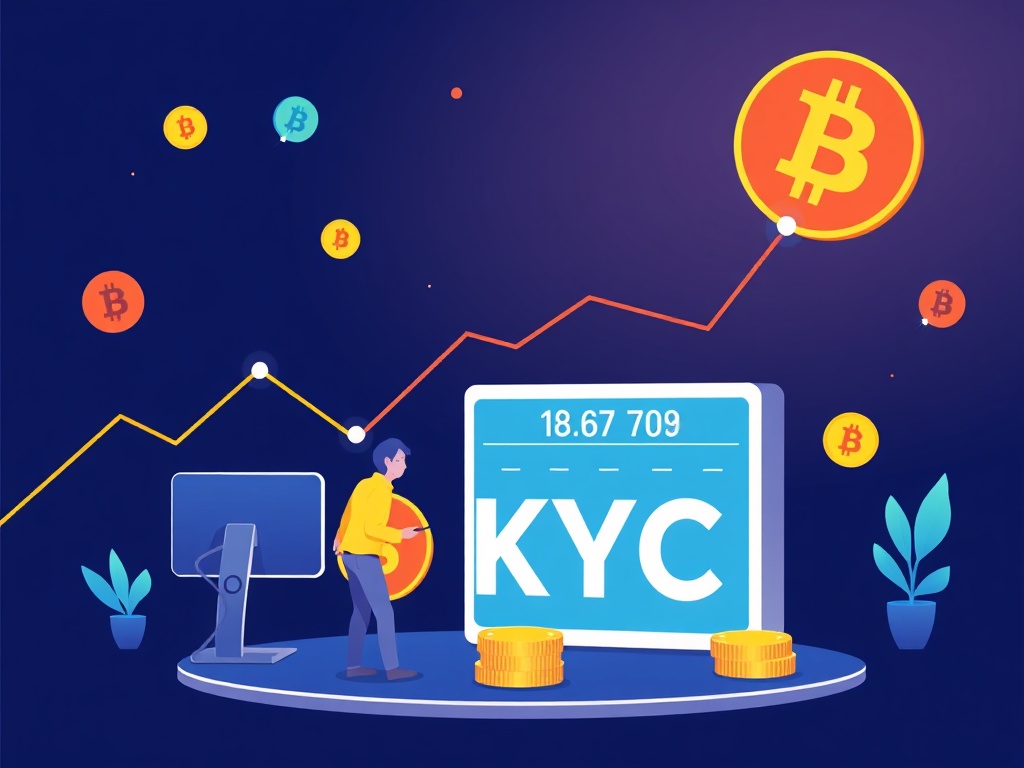
In the rapidly evolving world of cryptocurrency, privacy remains a top priority for users seeking to protect their financial transactions from prying eyes. One of the most innovative solutions gaining traction is the cross-coin privacy swap, a method that allows users to exchange different cryptocurrencies while maintaining anonymity. Unlike traditional exchanges, which often require KYC (Know Your Customer) verification and leave a digital trail, cross-coin privacy swaps prioritize confidentiality and security.
This comprehensive guide explores the concept of cross-coin privacy swaps, their benefits, how they work, and the best platforms and tools available for users who value privacy. Whether you're a seasoned crypto investor or a newcomer, understanding this technology can help you navigate the digital asset landscape more securely.
The Evolution of Cryptocurrency Privacy: From Bitcoin Mixers to Cross-Coin Swaps
The Need for Privacy in Cryptocurrency Transactions
Since the inception of Bitcoin in 2009, cryptocurrencies have been hailed for their decentralization and transparency. However, this transparency comes with a significant drawback: every transaction is recorded on a public ledger, the blockchain, which can be traced back to individual users. While Bitcoin addresses are pseudonymous, sophisticated blockchain analysis tools can link transactions to real-world identities, compromising user privacy.
To address this issue, early solutions like Bitcoin mixers emerged. These services, also known as tumblers, allow users to mix their coins with others, making it difficult to trace the origin of funds. However, traditional mixers often have limitations, such as supporting only a single cryptocurrency and requiring users to trust a third party with their funds.
Enter Cross-Coin Privacy Swaps: A Multi-Currency Solution
The next evolution in privacy-focused transactions is the cross-coin privacy swap. Unlike traditional mixers, which are limited to one blockchain, cross-coin privacy swaps enable users to exchange different cryptocurrencies while preserving anonymity. This innovation is particularly valuable in a multi-chain ecosystem where users hold diverse digital assets.
For example, a user holding Bitcoin (BTC) can swap it for Monero (XMR) or Zcash (ZEC) without revealing their identity or transaction history. This not only enhances privacy but also provides flexibility in managing a cryptocurrency portfolio.
Key Milestones in Privacy-Enhancing Technologies
- 2011-2013: Introduction of early Bitcoin mixers like Bitcoin Fog and BitLaundry.
- 2014: Launch of Dark Wallet, a privacy-focused Bitcoin wallet that introduced coin mixing natively.
- 2016: Emergence of privacy coins like Monero (XMR) and Zcash (ZEC), which use advanced cryptographic techniques to obfuscate transaction details.
- 2018: Development of atomic swaps, enabling trustless cross-chain transactions without intermediaries.
- 2020-Present: Rise of decentralized exchanges (DEXs) and privacy-focused swap protocols that integrate cross-coin privacy swaps as a core feature.
These advancements have paved the way for modern cross-coin privacy swaps, which combine the best elements of privacy coins, atomic swaps, and decentralized finance (DeFi) to create a seamless and secure experience.
How Cross-Coin Privacy Swaps Work: A Technical Breakdown
The Core Components of a Cross-Coin Privacy Swap
A cross-coin privacy swap involves several key components that work together to ensure privacy and security:
- Source and Destination Wallets: The user initiates the swap from a wallet containing the source cryptocurrency (e.g., Bitcoin) and receives the destination cryptocurrency (e.g., Monero) in a separate wallet.
- Privacy Protocol: The swap leverages privacy-enhancing technologies such as zero-knowledge proofs (ZKPs), ring signatures, or stealth addresses to obscure transaction details.
- Atomic Swap Mechanism: Ensures that the swap is trustless and atomic, meaning either both parties receive their funds, or the transaction is reversed without any loss.
- Decentralized Exchange (DEX) or Privacy Protocol: The swap is facilitated by a DEX or a dedicated privacy protocol that does not require KYC verification.
- Liquidity Providers: Users or automated market makers (AMMs) provide liquidity to enable smooth swaps between different cryptocurrencies.
Step-by-Step Process of a Cross-Coin Privacy Swap
Here’s a detailed breakdown of how a typical cross-coin privacy swap works:
- Wallet Setup: The user sets up two wallets: one for the source cryptocurrency (e.g., Bitcoin) and another for the destination cryptocurrency (e.g., Monero). It’s crucial to use separate wallets to maintain privacy.
- Initiating the Swap: The user selects the source and destination cryptocurrencies, along with the amount to swap. They then generate a unique deposit address for the source cryptocurrency.
- Sending Funds: The user sends the specified amount of the source cryptocurrency to the generated deposit address. The transaction is broadcast to the respective blockchain.
- Privacy Enhancement: Once the transaction is confirmed, the privacy protocol (e.g., a mixing service or privacy coin) obscures the transaction details. For example, if swapping Bitcoin to Monero, the Bitcoin is first mixed and then converted to Monero using stealth addresses.
- Receiving the Destination Cryptocurrency: The destination cryptocurrency is sent to the user’s designated wallet. The entire process is designed to ensure that the source and destination transactions cannot be linked.
- Transaction Finalization: The swap is completed, and the user now holds the destination cryptocurrency in a wallet that does not reveal their previous transaction history.
Privacy Techniques Used in Cross-Coin Swaps
To achieve true privacy, cross-coin privacy swaps employ a variety of cryptographic techniques:
- Coin Mixing: Combines multiple transactions to break the link between the sender and receiver. This is commonly used in Bitcoin-to-Bitcoin swaps but can also be applied in cross-chain scenarios.
- Stealth Addresses: Used primarily in privacy coins like Monero, stealth addresses generate a unique, one-time address for each transaction, making it impossible to link transactions to a user’s public address.
- Ring Signatures: A cryptographic method that allows a transaction to be signed by a group of users, making it difficult to determine which user actually authorized the transaction.
- Zero-Knowledge Proofs (ZKPs): Enable one party to prove the validity of a transaction without revealing any sensitive information. ZKPs are used in protocols like zk-SNARKs (used by Zcash) to ensure transaction privacy.
- Atomic Swaps: A trustless mechanism that allows two parties to exchange different cryptocurrencies without the need for a centralized intermediary. Atomic swaps are often combined with privacy techniques to enhance security.
By integrating these techniques, cross-coin privacy swaps provide a robust solution for users who prioritize anonymity and security in their cryptocurrency transactions.
Benefits of Using Cross-Coin Privacy Swaps
Enhanced Financial Privacy
The primary benefit of a cross-coin privacy swap is the enhanced privacy it offers. Unlike traditional exchanges, which require KYC verification and log transaction data, cross-coin privacy swaps allow users to exchange cryptocurrencies without revealing their identity. This is particularly important for individuals who value financial sovereignty or live in regions with strict financial regulations.
For example, a user in a country with capital controls can use a cross-cooin privacy swap to convert Bitcoin to a privacy coin like Monero, thereby bypassing restrictions and maintaining control over their wealth.
Protection Against Blockchain Analysis
Blockchain analysis firms use sophisticated algorithms to track cryptocurrency transactions and link them to real-world identities. By using a cross-coin privacy swap, users can break the chain of traceability. For instance, swapping Bitcoin (which is highly traceable) for Monero (which uses ring signatures and stealth addresses) makes it nearly impossible for analysts to follow the transaction path.
This protection is invaluable for individuals who wish to keep their financial activities private from governments, corporations, or malicious actors.
Access to a Wider Range of Cryptocurrencies
Traditional exchanges often have limited support for privacy-focused cryptocurrencies due to regulatory concerns. However, cross-coin privacy swaps enable users to access a broader range of assets, including privacy coins like Monero (XMR), Zcash (ZEC), and Dash (DASH), as well as other altcoins.
This flexibility allows users to diversify their portfolios while maintaining privacy, without being restricted by the policies of centralized exchanges.
Reduced Risk of Custodial Loss
Many centralized exchanges require users to deposit their funds into custodial wallets, which are vulnerable to hacks, exit scams, or regulatory seizures. In contrast, cross-coin privacy swaps are often non-custodial, meaning users retain control of their funds throughout the process.
For example, when using a decentralized exchange (DEX) or a privacy-focused protocol, users only need to connect their wallet and initiate the swap. Their funds are never held by a third party, reducing the risk of loss due to exchange failures or security breaches.
Censorship Resistance
Centralized exchanges can freeze withdrawals or block transactions based on regulatory demands or internal policies. Cross-coin privacy swaps, on the other hand, operate on decentralized networks, making them resistant to censorship. Users can swap cryptocurrencies without fear of their transactions being blocked or reversed.
This censorship resistance is particularly important for individuals in jurisdictions with strict financial controls or for those who wish to transact without interference from authorities.
Top Platforms and Tools for Cross-Coin Privacy Swaps
Decentralized Exchanges (DEXs) with Privacy Features
Several decentralized exchanges (DEXs) have integrated privacy-enhancing features, making them ideal for cross-coin privacy swaps. These platforms do not require KYC verification and allow users to swap cryptocurrencies directly from their wallets.
- Bisq: A peer-to-peer (P2P) decentralized exchange that supports a wide range of cryptocurrencies, including privacy coins like Monero and Zcash. Bisq uses a multi-signature escrow system to ensure trustless transactions.
- Hodl Hodl: Another P2P DEX that allows users to trade Bitcoin and other cryptocurrencies without KYC. Hodl Hodl supports cross-chain swaps and integrates with privacy protocols.
- THORChain: A decentralized liquidity protocol that enables cross-chain swaps between different blockchains, including Bitcoin, Ethereum, and Monero. THORChain uses a unique consensus mechanism to ensure secure and private transactions.
- Sideshift.ai: A non-custodial exchange that allows users to swap between a wide range of cryptocurrencies, including privacy coins. Sideshift.ai does not require KYC and focuses on user privacy.
Privacy-Focused Protocols and Mixers
In addition to DEXs, several privacy-focused protocols and mixers specialize in enabling cross-coin privacy swaps. These platforms use advanced cryptographic techniques to obscure transaction details.
- Wasabi Wallet: A Bitcoin wallet with built-in coin mixing capabilities. While Wasabi primarily supports Bitcoin, users can combine it with privacy coins for a cross-coin privacy swap experience.
- Monero (XMR): A privacy coin that uses ring signatures, stealth addresses, and confidential transactions to ensure anonymity. Users can swap Bitcoin to Monero using platforms like SideShift.ai or Bisq.
- Zcash (ZEC): Another privacy coin that uses zk-SNARKs to shield transaction details. Zcash can be swapped for other cryptocurrencies using decentralized exchanges like THORChain.
- Samourai Wallet: A Bitcoin wallet with advanced privacy features, including Stonewall and PayJoin, which help obfuscate transaction trails. Samourai Wallet can be used in conjunction with privacy coins for enhanced anonymity.
Atomic Swap Protocols
Atomic swaps are a key component of cross-coin privacy swaps, as they enable trustless exchanges between different cryptocurrencies. Several protocols facilitate atomic swaps while integrating privacy features.
- AtomicSwap: An open-source protocol that allows users to perform cross-chain swaps without intermediaries. AtomicSwap can be combined with privacy techniques to enhance anonymity.
- Komodo (KMD): A blockchain platform that supports atomic swaps and privacy features through its Antara Framework. Komodo enables users to swap between different cryptocurrencies while maintaining privacy.
- Decred (DCR): A hybrid proof-of-work and proof-of-stake blockchain that supports atomic swaps and privacy features. Decred’s Lightning Network integration allows for fast and private cross-chain transactions.
Privacy Coins and Their Role in Cross-Coin Swaps
Privacy coins are cryptocurrencies designed specifically to obscure transaction details. They play a crucial role in cross-coin privacy swaps by providing a destination for users looking to enhance their anonymity.
- Monero (XMR): The most popular privacy coin, Monero uses ring signatures, stealth addresses, and RingCT to ensure transaction privacy. Users can swap Bitcoin or other cryptocurrencies for Monero using platforms like SideShift.ai or Bisq.
- Zcash (ZEC): Zcash offers optional privacy features through zk-SNARKs, which allow users to shield transaction details. Zcash can be swapped for other cryptocurrencies using decentralized exchanges like THORChain.
- Dash (DASH): Dash offers a feature called PrivateSend, which mixes transactions to enhance privacy. While not as private as Monero or Zcash, Dash can still be used in cross-coin privacy swaps for added anonymity.
- Pirate Chain (ARRR): A privacy-focused cryptocurrency that uses zk-SNARKs and the Komodo platform to ensure complete transaction anonymity. Pirate Chain is ideal for users seeking maximum privacy in their swaps.
Risks and Challenges of Cross-Coin Privacy Swaps
Regulatory Scrutiny and Compliance Risks
While cross-coin privacy swaps offer enhanced privacy, they also attract regulatory attention. Governments and financial authorities are increasingly scrutinizing privacy-enhancing technologies due to concerns about money laundering, tax evasion, and illicit activities.
For example, the Financial Action Task Force (FATF) has issued guidelines that may impact privacy-focused services. Users should be aware that while cross-coin privacy swaps are designed to protect privacy, they may still face regulatory challenges in certain jurisdictions.
Smart Contract and Protocol Risks
Many cross-coin privacy swaps rely on smart contracts or decentralized protocols to facilitate transactions. While these systems are designed to be secure, they are not immune to vulnerabilities. Smart contract bugs, exploits, or protocol failures can result in the loss of funds.
For instance, if a user initiates a swap on a decentralized exchange and a smart contract is compromised, their funds could be at risk. It’s essential to use reputable platforms and conduct thorough research before engaging in a cross-coin privacy swap.
Liquidity and Slippage Issues
Liquidity is a critical factor in cross-coin privacy swaps. If a particular trading pair has low liquidity, users may experience slippage, where the final amount received is less than expected due to price fluctuations during the swap.
For example, swapping a less popular altcoin for Bitcoin may result in higher slippage

Cross-Coin Privacy Swaps: The Future of Secure and Private Digital Asset Exchanges
As a crypto investment advisor with over a decade of experience, I’ve seen firsthand how privacy concerns continue to shape investor behavior in the digital asset space. Cross-coin privacy swaps represent a significant evolution in how users can exchange cryptocurrencies without sacrificing anonymity or security. Unlike traditional exchanges, which often require KYC (Know Your Customer) verification and leave transaction trails on public blockchains, privacy swaps leverage advanced cryptographic techniques—such as zero-knowledge proofs and atomic swaps—to enable seamless, cross-chain transactions while preserving user confidentiality. For institutional and high-net-worth investors, this innovation is particularly compelling, as it aligns with growing regulatory scrutiny while still offering the flexibility of decentralized finance (DeFi).
From a practical standpoint, cross-coin privacy swaps are not just a theoretical advantage—they’re already being adopted by savvy investors seeking to mitigate risks associated with traceability and front-running. For example, a Bitcoin holder looking to diversify into Monero or Zcash without exposing their holdings to blockchain analysis can now do so efficiently through a privacy-preserving swap. However, it’s critical to approach this technology with caution: while privacy swaps enhance anonymity, they also require due diligence to avoid counterparty risks or smart contract vulnerabilities. Investors should prioritize platforms with audited code, strong liquidity, and a proven track record. In an era where financial privacy is increasingly under threat, cross-coin privacy swaps offer a powerful tool—but only when used responsibly.