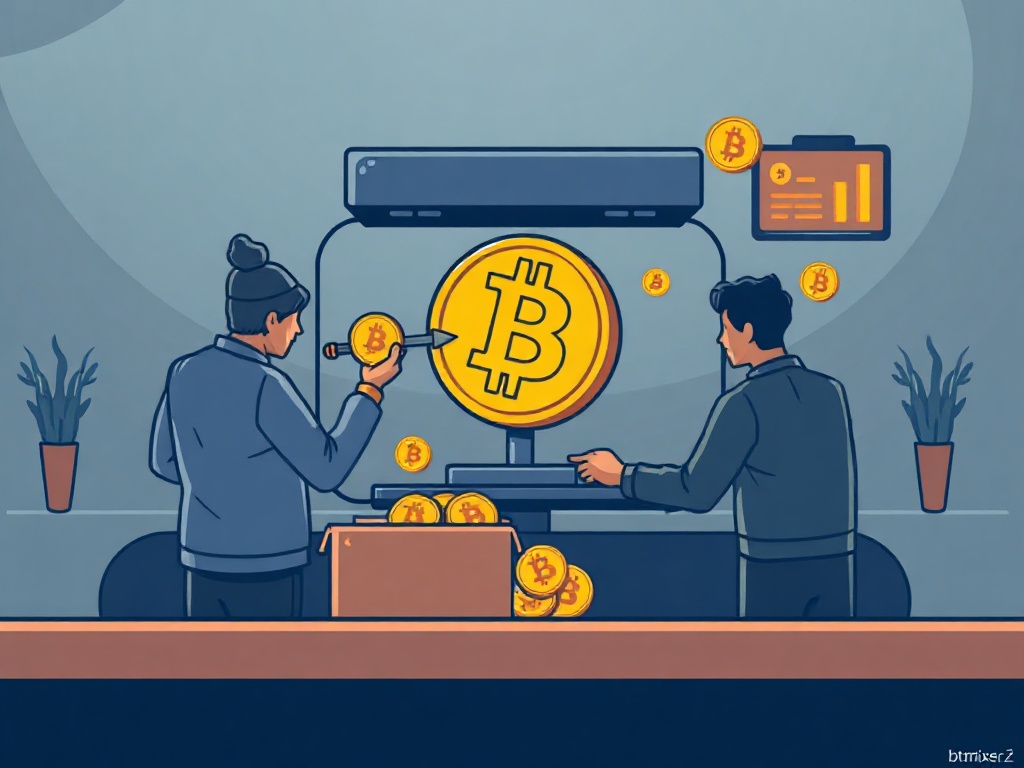
Understanding Dash PrivateSend: The Ultimate Guide to Anonymous Transactions in the Dash Ecosystem
In the ever-evolving world of cryptocurrency, privacy remains a top priority for users seeking to protect their financial transactions from prying eyes. Among the various privacy-focused solutions available, Dash PrivateSend stands out as one of the most robust and user-friendly options. Designed to enhance anonymity while maintaining efficiency, Dash PrivateSend has become a cornerstone feature of the Dash network, offering a practical alternative to traditional mixing services.
This comprehensive guide explores the intricacies of Dash PrivateSend, its underlying technology, benefits, limitations, and how it compares to other privacy solutions in the cryptocurrency space. Whether you're a seasoned crypto enthusiast or a newcomer looking to safeguard your transactions, this article will provide you with everything you need to know about Dash PrivateSend.
What Is Dash PrivateSend and How Does It Work?
The Evolution of Privacy in Cryptocurrency
Before diving into Dash PrivateSend, it's essential to understand the broader context of privacy in cryptocurrency. Bitcoin, the first and most well-known cryptocurrency, operates on a public ledger where all transactions are transparent and traceable. While Bitcoin addresses are pseudonymous, sophisticated blockchain analysis tools can often link transactions to real-world identities, compromising user privacy.
Recognizing this limitation, developers began exploring ways to enhance anonymity. Early solutions included centralized mixers, which pooled funds from multiple users and redistributed them to obscure transaction origins. However, these services often came with significant drawbacks, including trust issues, potential fund loss, and regulatory scrutiny.
Dash, originally launched as "Darkcoin" in 2014, emerged as a privacy-focused cryptocurrency designed to address these challenges. At its core, Dash introduced PrivateSend as a decentralized, trustless method for obfuscating transaction trails, setting a new standard for privacy in digital currencies.
Core Principles of Dash PrivateSend
Dash PrivateSend operates on a unique CoinJoin protocol, which combines the inputs of multiple users into a single transaction. Here’s how it works:
- Decentralized Mixing: Unlike centralized mixers, Dash PrivateSend relies on a distributed network of masternodes (specialized servers) to facilitate the mixing process. This eliminates the need to trust a third party with your funds.
- Equal Denomination Transactions: To ensure privacy, Dash PrivateSend breaks down transactions into standardized denominations (e.g., 0.01 DASH, 0.1 DASH, 1 DASH, 10 DASH). This prevents observers from linking inputs to outputs based on transaction amounts.
- Multiple Rounds of Mixing: For enhanced privacy, Dash PrivateSend performs multiple rounds of mixing, further obscuring the transaction trail. Each round increases the difficulty of tracing funds.
- Trustless Operation: Users retain full control of their funds throughout the mixing process. Masternodes facilitate the mixing but cannot steal or misappropriate the funds.
Technical Breakdown of the PrivateSend Process
The Dash PrivateSend process can be broken down into several key steps:
- Initiation: A user selects the amount of DASH they wish to mix and initiates the PrivateSend process through their Dash wallet.
- Denomination Selection: The wallet breaks the transaction into the predefined denominations (e.g., 0.01 DASH, 0.1 DASH, etc.).
- Masternode Selection: The wallet communicates with the Dash network to select a masternode to facilitate the mixing. The masternode must have a sufficient collateral of 1,000 DASH to participate.
- Input Blinding: The user’s wallet generates a unique blinding key for each input, which is shared with the masternode. This key ensures that the masternode cannot link the user’s inputs to their outputs.
- Transaction Signing: The user signs the transaction inputs with their private key, authorizing the masternode to mix the funds.
- Mixing Rounds: The masternode combines the user’s inputs with inputs from other users, creating a new transaction with mixed outputs. This process repeats for multiple rounds to enhance privacy.
- Completion: Once the mixing rounds are complete, the user receives their mixed DASH in a new address, effectively breaking the transaction trail.
This process ensures that even if an observer tracks the blockchain, they cannot reliably determine the origin or destination of the funds.
Why Choose Dash PrivateSend Over Other Privacy Solutions?
Comparison with Bitcoin Mixers
Bitcoin users often rely on centralized mixers like Wasabi Wallet or Samourai Wallet to enhance privacy. While these tools provide anonymity, they come with several drawbacks:
- Centralization Risks: Centralized mixers require users to trust a third party with their funds, which can be compromised by hacking, regulatory action, or outright fraud.
- Limited Denominations: Many Bitcoin mixers do not break transactions into equal denominations, making it easier for blockchain analysts to trace funds.
- Regulatory Scrutiny: Some centralized mixers have faced legal challenges, leading to service disruptions or shutdowns.
In contrast, Dash PrivateSend offers a decentralized, trustless solution that mitigates these risks. By leveraging the Dash masternode network, users can mix their funds without relying on a single point of failure.
Dash PrivateSend vs. Monero’s Ring Signatures
Monero, another leading privacy coin, uses ring signatures to obscure transaction origins. While both Monero and Dash PrivateSend aim to enhance privacy, they employ different mechanisms:
- Transaction Structure: Monero’s ring signatures mix a user’s transaction with others, making it difficult to determine the true sender. Dash PrivateSend, on the other hand, uses CoinJoin to combine multiple inputs into a single transaction.
- Fungibility: Monero is designed to be fully fungible, meaning all coins are treated equally. Dash PrivateSend also enhances fungibility by breaking transactions into equal denominations, but it does not alter the fundamental properties of DASH.
- Adoption and Usability: Dash PrivateSend is integrated directly into the Dash wallet, making it accessible to users without requiring additional software. Monero’s privacy features are also user-friendly but may require more technical knowledge to set up.
Ultimately, the choice between Dash PrivateSend and Monero depends on user preferences, with Dash PrivateSend offering a more straightforward and decentralized approach.
Advantages of Dash PrivateSend
Dash PrivateSend provides several key benefits that make it an attractive option for privacy-conscious users:
- Decentralization: By relying on masternodes rather than a centralized service, Dash PrivateSend eliminates single points of failure and reduces the risk of censorship or shutdown.
- User-Friendly: The process is fully integrated into the Dash wallet, requiring no additional software or technical expertise. Users can initiate PrivateSend with just a few clicks.
- Low Cost: Mixing fees are minimal, typically amounting to a fraction of a cent per transaction. This makes Dash PrivateSend an affordable privacy solution.
- Speed: Transactions are processed quickly, with mixing rounds completing in a matter of minutes. This is particularly advantageous compared to some other privacy solutions that may take hours or days.
- Compatibility: Dash PrivateSend works seamlessly with the Dash ecosystem, including exchanges, merchants, and other services that accept DASH.
Setting Up and Using Dash PrivateSend: A Step-by-Step Guide
Prerequisites for Using Dash PrivateSend
Before you can use Dash PrivateSend, ensure you meet the following requirements:
- Dash Wallet: You need a Dash wallet that supports PrivateSend. The official Dash Core Wallet and Dash Electrum Wallet both include this feature.
- Sufficient DASH Balance: You must have enough DASH to cover the amount you wish to mix, as well as a small fee for the mixing process.
- Internet Connection: A stable internet connection is required to communicate with the Dash network and masternodes.
- Privacy Considerations: While Dash PrivateSend enhances privacy, it’s important to follow best practices, such as using a VPN or Tor, to further obscure your online activity.
Step-by-Step Guide to Using Dash PrivateSend
Follow these steps to mix your DASH using PrivateSend:
- Download and Install a Dash Wallet:
- For desktop users, download the Dash Core Wallet from the official Dash website.
- For mobile users, consider the Dash Electrum Wallet or the official Dash mobile wallet.
- Synchronize Your Wallet: Ensure your wallet is fully synchronized with the Dash blockchain. This may take some time, depending on your internet connection.
- Enable PrivateSend:
- Open your Dash wallet and navigate to the PrivateSend tab.
- Click "Start Mixing" to enable the feature. Your wallet will begin the mixing process automatically.
- Select the Amount to Mix:
- Choose the amount of DASH you wish to mix. The wallet will break this amount into the predefined denominations (e.g., 0.01 DASH, 0.1 DASH, etc.).
- You can mix your entire balance or a specific amount.
- Wait for Mixing to Complete:
- The mixing process may take several minutes to complete, depending on network conditions and the number of mixing rounds selected.
- You can monitor the progress in the PrivateSend tab of your wallet.
- Verify Your Mixed Funds:
- Once mixing is complete, your funds will be sent to a new address. Check your wallet to confirm the transaction.
- It’s a good practice to verify that the funds have been successfully mixed by checking the blockchain explorer.
Best Practices for Using Dash PrivateSend
To maximize the effectiveness of Dash PrivateSend, consider the following tips:
- Use Fresh Addresses: Always use a new address for receiving mixed funds. Reusing addresses can compromise your privacy.
- Mix Regularly: To maintain privacy, mix your funds periodically. This reduces the likelihood of your transaction history being traced.
- Avoid Linking Transactions: Do not link your mixed funds to your identity by spending them in a way that reveals your personal information (e.g., using the same address for multiple transactions).
- Use a VPN or Tor: While Dash PrivateSend enhances transaction privacy, using a VPN or Tor can further obscure your online activity and IP address.
- Keep Your Wallet Secure: Ensure your wallet is protected with a strong password and, if possible, hardware wallet integration.
Limitations and Challenges of Dash PrivateSend
Potential Privacy Risks
While Dash PrivateSend is a powerful tool for enhancing privacy, it is not without its limitations. Understanding these risks is crucial for making informed decisions about your cryptocurrency transactions.
- Masternode Collusion: Although Dash PrivateSend is decentralized, there is a theoretical risk that a majority of masternodes could collude to deanonymize users. However, this scenario is highly unlikely due to the economic incentives for masternodes to act honestly.
- Transaction Graph Analysis: Advanced blockchain analysis techniques, such as transaction graph analysis, can sometimes infer relationships between inputs and outputs, even after mixing. This is why multiple rounds of mixing are recommended.
- Denomination Leakage: If a user mixes a non-standard amount that doesn’t align with the predefined denominations, it may be possible to trace the transaction. Always mix in standard denominations to minimize this risk.
Technical Limitations
In addition to privacy risks, Dash PrivateSend has some technical limitations that users should be aware of:
- Wallet Compatibility: Not all Dash wallets support PrivateSend. Ensure your wallet is compatible before attempting to use the feature.
- Mining Fees: While mixing fees are minimal, users must still pay standard transaction fees to the Dash network. These fees are typically low but can vary depending on network congestion.
- Masternode Requirements: Masternodes must have a collateral of 1,000 DASH to participate in PrivateSend. This requirement ensures that masternodes have a vested interest in the network’s integrity but can limit the number of available masternodes.
- Time Constraints: The mixing process can take several minutes to complete, depending on network conditions. Users seeking instant transactions may find this delay inconvenient.
Regulatory and Compliance Considerations
Privacy-focused cryptocurrencies like Dash often face regulatory scrutiny, particularly in jurisdictions with strict anti-money laundering (AML) and know-your-customer (KYC) requirements. While Dash PrivateSend is designed to protect user privacy, it’s important to consider the following:
- Exchange Policies: Some cryptocurrency exchanges may have policies against privacy coins or require additional verification for transactions involving mixed funds. Always check an exchange’s policies before depositing or withdrawing DASH.
- Legal Risks: In certain countries, using privacy-enhancing tools like Dash PrivateSend may raise legal concerns. Users should familiarize themselves with local regulations to avoid potential issues.
- Transparency vs. Privacy: While Dash PrivateSend enhances transaction privacy, it does not obscure the fact that a transaction occurred. Some observers may still be able to detect that a PrivateSend transaction took place, even if they cannot trace the funds.
Advanced Topics: Enhancing Privacy with Dash PrivateSend
Combining Dash PrivateSend with Other Privacy Tools
While Dash PrivateSend is a powerful privacy tool on its own, combining it with other privacy-enhancing technologies can further obscure your transaction trail. Here are some strategies to consider:
- VPNs and Proxies: Using a VPN or proxy can mask your IP address, making it more difficult for observers to link your transactions to your physical location. Services like NordVPN or ProtonVPN are popular choices.
- Tor Network: The Tor network routes your internet traffic through multiple nodes, obscuring your IP address and making it harder to trace your online activity. The Tor Browser is a user-friendly option for accessing the web anonymously.
- Stealth Addresses: While Dash PrivateSend breaks transaction links, using stealth addresses (a feature available in some Dash wallets) can further enhance privacy by generating unique receiving addresses for each transaction.
- Coin Control: Some Dash wallets, like the Dash Core Wallet, offer coin control features that allow users to select specific inputs for transactions. This can help avoid linking old and new addresses.
Advanced Mixing Strategies
For users seeking maximum privacy, advanced mixing strategies can be employed to further obscure

As the Blockchain Research Director at a leading fintech research firm, I’ve closely examined the evolution of privacy-enhancing technologies in decentralized finance. Dash PrivateSend stands out as one of the most pragmatic implementations of coin mixing in production, offering users a balance between anonymity and usability that few alternatives achieve. Unlike privacy coins that sacrifice scalability or require complex cryptographic assumptions, Dash’s approach leverages a decentralized masternode network to obfuscate transaction trails without relying on trusted third parties. This design choice is particularly noteworthy for institutions and privacy-conscious individuals who need compliance-friendly solutions without sacrificing performance. In my work with distributed ledger technologies, I’ve observed that PrivateSend’s iterative improvements—such as its shift from fixed denominations to dynamic inputs—have significantly reduced the risk of blockchain analysis attacks while maintaining low latency.
From a practical standpoint, Dash PrivateSend demonstrates how privacy can be integrated into a broader ecosystem without fragmenting liquidity or complicating user experience. The protocol’s reliance on deterministic mixing rounds, where inputs are pooled and redistributed, ensures that even sophisticated chain analysis tools struggle to trace funds. However, it’s critical to acknowledge the trade-offs: PrivateSend’s effectiveness diminishes with smaller transaction volumes, and its reliance on masternodes introduces centralization risks if the network’s economic incentives aren’t properly aligned. In my consulting engagements, I’ve advised clients to treat PrivateSend as a supplementary tool rather than a standalone privacy solution, especially in high-risk jurisdictions where regulatory scrutiny is intense. Ultimately, Dash’s approach underscores a key insight in blockchain privacy: true anonymity requires a combination of cryptographic innovation, economic incentives, and user adoption—none of which can exist in isolation.