Understanding Mixer Risk Flagging: A Comprehensive Guide for BTC Mixer Users
In the evolving landscape of cryptocurrency transactions, privacy remains a top priority for many users. Bitcoin mixers, also known as tumblers, have emerged as a popular tool to enhance transaction anonymity by obscuring the origin and destination of funds. However, the use of mixers is not without risks, particularly when it comes to mixer risk flagging. This phenomenon occurs when financial institutions, regulatory bodies, or blockchain analytics platforms identify and flag transactions associated with mixers, potentially leading to account freezes, legal scrutiny, or other complications.
This article delves into the intricacies of mixer risk flagging, exploring its causes, implications, and strategies to mitigate associated risks. Whether you are a seasoned crypto enthusiast or a newcomer to the world of Bitcoin mixers, understanding mixer risk flagging is essential to navigating the complexities of privacy-focused transactions safely and responsibly.
What Is Mixer Risk Flagging and Why Does It Matter?
The Basics of Bitcoin Mixers
Bitcoin mixers operate by pooling funds from multiple users and redistributing them in a way that severs the direct link between the original sender and the final recipient. This process, often referred to as "coin mixing" or "tumbling," aims to enhance privacy by breaking the traceable chain of transactions on the blockchain. While mixers like BTCmixer offer a layer of anonymity, they also introduce certain risks that users must be aware of.
Defining Mixer Risk Flagging
Mixer risk flagging refers to the identification and labeling of transactions that involve the use of Bitcoin mixers. This flagging can occur at various levels, including:
- Cryptocurrency exchanges that monitor and block deposits linked to known mixers.
- Blockchain analytics firms that track and analyze mixer-related transactions.
- Regulatory bodies that flag suspicious activities involving mixers for potential money laundering or illicit financing.
When a transaction is flagged, it may trigger additional scrutiny, delays, or even account suspensions, depending on the policies of the involved parties.
Why Mixer Risk Flagging Matters
The primary concern with mixer risk flagging is the potential for users to face unintended consequences due to their legitimate use of mixers. While mixers are designed to protect privacy, they are often associated with illicit activities, such as money laundering or the financing of illegal operations. As a result, financial institutions and regulators may adopt a cautious approach, treating all mixer-related transactions as high-risk.
For users who rely on mixers for privacy, mixer risk flagging can lead to:
- Account freezes: Exchanges may freeze accounts linked to flagged transactions, preventing users from accessing their funds.
- Enhanced due diligence: Users may be required to provide additional documentation or explanations to verify the legitimacy of their transactions.
- Legal repercussions: In extreme cases, flagged transactions could lead to investigations or legal action, particularly if the user is unable to prove the legitimacy of their funds.
Understanding the mechanisms behind mixer risk flagging is the first step toward minimizing these risks and ensuring that your use of Bitcoin mixers remains compliant with regulatory standards.
The Mechanics Behind Mixer Risk Flagging
How Mixers Work and Their Vulnerabilities
To understand mixer risk flagging, it is essential to grasp how Bitcoin mixers function and where they may be vulnerable to detection. Most mixers operate by:
- Pooling funds: Users deposit their Bitcoin into a shared pool with other participants.
- Shuffling transactions: The mixer redistributes the funds to new addresses, making it difficult to trace the original sender.
- Withdrawing funds: Users receive their mixed Bitcoin at a new address, ideally untraceable to their original holdings.
However, mixers are not foolproof. Several factors can make mixer transactions susceptible to flagging:
- Centralized mixers: Many mixers operate on centralized servers, which can be compromised or monitored by third parties.
- Transaction patterns: Certain patterns, such as large deposits followed by immediate withdrawals, can raise red flags.
- Blockchain analysis: Advanced blockchain analytics tools can trace the flow of funds through mixer pools, especially if the mixer does not employ robust obfuscation techniques.
Common Triggers for Mixer Risk Flagging
Several factors can trigger mixer risk flagging, including:
- Known mixer addresses: Exchanges and analytics firms maintain databases of known mixer addresses. If your transaction involves such an address, it may be flagged automatically.
- Unusual transaction patterns: Transactions that deviate from typical user behavior, such as rapid mixing of large amounts, can attract attention.
- Regulatory compliance: Exchanges and financial institutions are required to comply with anti-money laundering (AML) and know-your-customer (KYC) regulations. Mixer transactions often fall under heightened scrutiny due to their association with illicit activities.
- Geographic factors: Users in jurisdictions with strict financial regulations may face higher risks of flagging when using mixers.
The Role of Blockchain Analytics in Mixer Risk Flagging
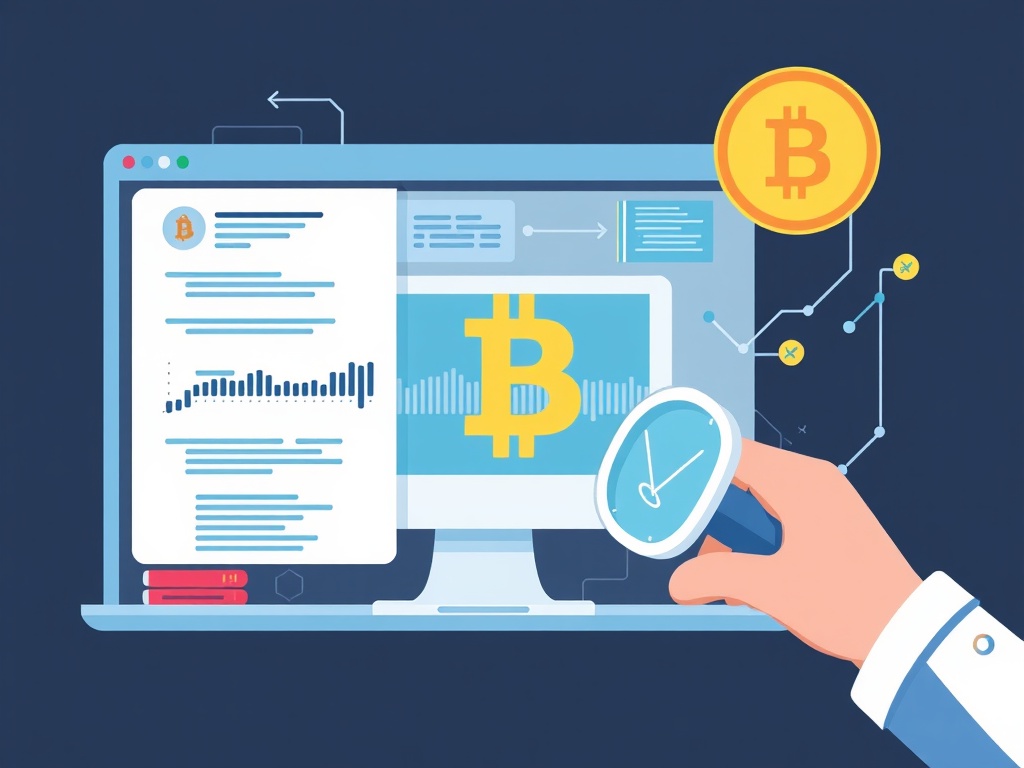
Blockchain analytics firms play a significant role in identifying and flagging mixer-related transactions. These firms use sophisticated algorithms to analyze transaction patterns, trace fund flows, and identify suspicious activities. Some of the techniques they employ include:
- Address clustering: Grouping addresses that are likely controlled by the same entity to trace the flow of funds.
- Transaction graph analysis: Mapping the relationships between transactions to identify mixing patterns.
- Behavioral profiling: Analyzing user behavior to detect anomalies that may indicate the use of mixers.
By leveraging these techniques, blockchain analytics firms can flag transactions involving mixers, making it difficult for users to remain anonymous. This underscores the importance of understanding mixer risk flagging and adopting strategies to minimize exposure.
The Implications of Mixer Risk Flagging for Users
Financial and Legal Consequences
The implications of mixer risk flagging extend beyond mere inconvenience. Users who fall victim to flagging may face severe financial and legal consequences, including:
- Account suspensions: Exchanges may freeze or close accounts linked to flagged transactions, preventing users from accessing their funds.
- Asset forfeiture: In extreme cases, authorities may seize funds that are deemed suspicious or linked to illicit activities.
- Legal penalties: Users who are unable to prove the legitimacy of their funds may face fines, penalties, or even criminal charges.
These consequences highlight the importance of using mixers responsibly and taking steps to mitigate the risks associated with mixer risk flagging.
Reputational Damage and Loss of Trust
Beyond financial and legal repercussions, mixer risk flagging can also damage a user's reputation. Financial institutions and exchanges may view flagged users as high-risk, leading to:
- Increased scrutiny: Users may be subject to additional verification processes, such as enhanced due diligence (EDD).
- Limited access: Some exchanges may restrict or prohibit users with a history of mixer-related transactions from accessing certain services.
- Social stigma: The association of mixers with illicit activities can lead to negative perceptions, even among peers in the crypto community.
Impact on Privacy and Anonymity
Ironically, mixer risk flagging can undermine the very purpose of using a mixer: enhanced privacy. When a transaction is flagged, it may draw unnecessary attention, defeating the goal of anonymity. Users who rely on mixers for privacy must balance the benefits of mixing with the risks of flagging, ensuring that their transactions remain discreet and compliant.
How to Minimize the Risks of Mixer Risk Flagging
Choosing a Reputable Mixer
Not all mixers are created equal, and selecting a reputable mixer is the first step toward minimizing the risks of mixer risk flagging. When evaluating mixers, consider the following factors:
- Transparency: Look for mixers that provide clear information about their operations, fees, and security measures.
- Decentralization: Decentralized mixers, such as those built on privacy-focused protocols, are less susceptible to censorship or monitoring.
- User reviews: Research user feedback and reviews to gauge the mixer's reliability and effectiveness.
- No-logs policy: Choose mixers that do not store user data or transaction logs, reducing the risk of exposure.
For example, BTCmixer is a well-known mixer that emphasizes user privacy and security. However, even reputable mixers can attract attention, so it is essential to use them judiciously.
Best Practices for Using Mixers Safely
To reduce the likelihood of mixer risk flagging, follow these best practices when using Bitcoin mixers:
- Avoid large transactions: Mixing large amounts in a single transaction can draw attention. Instead, break transactions into smaller amounts.
- Use multiple mixers: Rotate between different mixers to avoid creating a pattern that can be traced.
- Delay withdrawals: Avoid withdrawing funds immediately after mixing. Introduce delays to obscure the transaction timeline.
- Use fresh addresses: Always use new addresses for deposits and withdrawals to prevent linkability.
- Monitor transaction fees: High fees can signal suspicious activity. Opt for mixers with reasonable and transparent fee structures.
Alternative Privacy Solutions
While mixers are a popular privacy tool, they are not the only option. Consider supplementing or replacing mixers with alternative privacy solutions, such as:
- CoinJoin: A decentralized mixing protocol that allows users to combine their transactions with others, obscuring the flow of funds.
- Lightning Network: A layer-2 solution that enables fast, low-cost transactions with enhanced privacy features.
- Privacy coins: Cryptocurrencies like Monero (XMR) and Zcash (ZEC) offer built-in privacy features that do not rely on mixers.
- Stealth addresses: Techniques that generate unique addresses for each transaction, making it difficult to trace fund flows.
By diversifying your privacy tools, you can reduce reliance on mixers and minimize the risks associated with mixer risk flagging.
Navigating Regulatory Compliance and Mixer Risk Flagging
The Regulatory Landscape for Bitcoin Mixers
The use of Bitcoin mixers is subject to a complex regulatory landscape, with laws varying significantly across jurisdictions. In many countries, mixers are viewed with suspicion due to their potential use in money laundering and illicit financing. For example:
- United States: The Financial Crimes Enforcement Network (FinCEN) has issued guidance stating that mixer operators may be considered money transmitters, subject to AML and KYC regulations.
- European Union: The Fifth Anti-Money Laundering Directive (5AMLD) includes provisions that may require mixers to comply with AML regulations.
- China: Mixers are effectively banned, and their use is considered illegal under the country's strict cryptocurrency regulations.
These regulations underscore the importance of understanding the legal implications of using mixers in your jurisdiction and taking steps to ensure compliance.
How to Stay Compliant While Using Mixers
To avoid running afoul of regulations and minimize the risks of mixer risk flagging, consider the following strategies:
- Research local laws: Familiarize yourself with the regulations governing mixer use in your country or region.
- Use compliant mixers: Some mixers operate in jurisdictions with lenient regulations or offer features that align with compliance requirements.
- Document transactions: Maintain detailed records of your mixer transactions, including the mixer used, amounts involved, and timestamps. This documentation can be invaluable if you need to prove the legitimacy of your funds.
- Consult a legal expert: If you are unsure about the legality of mixer use in your jurisdiction, seek advice from a legal professional specializing in cryptocurrency regulations.
The Role of Exchanges in Mixer Risk Flagging
Cryptocurrency exchanges play a crucial role in mixer risk flagging by monitoring and blocking transactions linked to mixers. To avoid issues with exchanges:
- Check exchange policies: Review the terms of service of your preferred exchange to understand their stance on mixer-related transactions.
- Use compliant exchanges: Some exchanges are more lenient toward mixer use, particularly if you can demonstrate the legitimacy of your transactions.
- Avoid mixing before deposits: If you plan to deposit mixed funds into an exchange, consider mixing after the deposit to reduce the risk of flagging.
Case Studies: Real-World Examples of Mixer Risk Flagging
Case Study 1: The Bitfinex Incident
In 2019, Bitfinex, a major cryptocurrency exchange, froze the accounts of several users who had deposited funds linked to Bitcoin mixers. The exchange cited compliance with AML regulations as the reason for the freeze. Users who were unable to provide sufficient documentation to prove the legitimacy of their funds faced prolonged account suspensions. This incident highlighted the risks of mixer risk flagging and the importance of using mixers responsibly.
Case Study 2: The Chainalysis Investigation
Chainalysis, a leading blockchain analytics firm, has been instrumental in identifying and flagging mixer-related transactions. In one notable case, Chainalysis traced a series of transactions through a mixer and linked them to a suspected money laundering operation. The investigation led to the seizure of funds and the identification of individuals involved in illicit activities. While this case involved illegal activities, it underscores the broader risks of mixer risk flagging for legitimate users.
Case Study 3: The Tornado Cash Sanctions
In 2022, the U.S. Treasury Department sanctioned Tornado Cash, a popular Ethereum mixer, for its alleged role in facilitating money laundering. The sanctions resulted in the freezing of assets linked to Tornado Cash and the arrest of several individuals associated with the mixer. This case serves as a stark reminder of the potential consequences of using mixers, particularly those that operate in jurisdictions with strict regulatory oversight.
Future Trends in Mixer Risk Flagging and Privacy Solutions
The Evolution of Mixer Technology
As regulators and blockchain analytics firms become more sophisticated, mixer technology is evolving to address the challenges of mixer risk flagging. Some emerging trends include:
- Decentralized mixers: Mixers built on decentralized protocols, such as Wasabi Wallet's CoinJoin implementation, are less susceptible to censorship and monitoring.
- Zero-knowledge proofs: Advanced cryptographic techniques, such as zk-SNARKs, are being explored to enhance the privacy of mixer transactions without compromising security.
- Cross-chain mixing: Mixers that operate across multiple blockchains are gaining popularity, offering users more flexibility and reducing the risk of flagging on a single chain.
The Impact of Regulatory Changes
Regulatory changes will continue to shape the landscape of mixer use and mixer risk flagging. Key trends to watch include:
- Increased scrutiny: Regulators are likely to impose stricter requirements on mixer operators, including mandatory AML and KYC compliance.
- Global coordination: International efforts to combat money laundering and illicit financing may lead to more uniform regulations governing mixer use.
- Technological advancements: Regulators may adopt new technologies, such as AI-driven transaction monitoring, to identify and flag mixer-related activities more effectively.
Emerging Privacy Solutions
As mixers face increasing scrutiny, alternative privacy solutions are gaining traction. Some of the most promising developments include:

Mixer Risk Flagging: A Critical Tool for Detecting Illicit Activity in Digital Asset Markets
As a digital assets strategist with a background in both traditional finance and cryptocurrency markets, I’ve seen firsthand how mixer risk flagging has become an indispensable tool for compliance teams, investigators, and institutional traders. Mixers—services designed to obscure the origin and destination of cryptocurrency transactions—pose significant risks, including money laundering, sanctions evasion, and fraud. Effective mixer risk flagging isn’t just about identifying suspicious addresses; it’s about integrating on-chain analytics with behavioral patterns to distinguish between legitimate privacy-seeking users and bad actors. From my experience, the most robust flagging systems combine heuristic analysis (e.g., transaction clustering, interaction with known mixer smart contracts) with machine learning models trained on historical illicit activity. This dual approach reduces false positives while ensuring that high-risk flows are caught early in the transaction lifecycle.
Practically speaking, mixer risk flagging should be embedded into broader risk management frameworks rather than treated as a standalone solution. For institutional players, this means real-time monitoring of counterparty exposure, with automated alerts triggered when funds interact with mixer-associated addresses. In my work, I’ve found that the most effective systems also incorporate cross-chain analysis, as sophisticated actors often hop between blockchains to evade detection. Additionally, collaboration with blockchain analytics firms—like Chainalysis or TRM Labs—can provide enriched data, such as entity resolution and risk scores, which are critical for making informed decisions. Ultimately, mixer risk flagging isn’t just a compliance checkbox; it’s a strategic necessity for safeguarding portfolios in an increasingly complex digital asset ecosystem.