Understanding Multi-Address Payout Support in BTC Mixer Services: A Comprehensive Guide
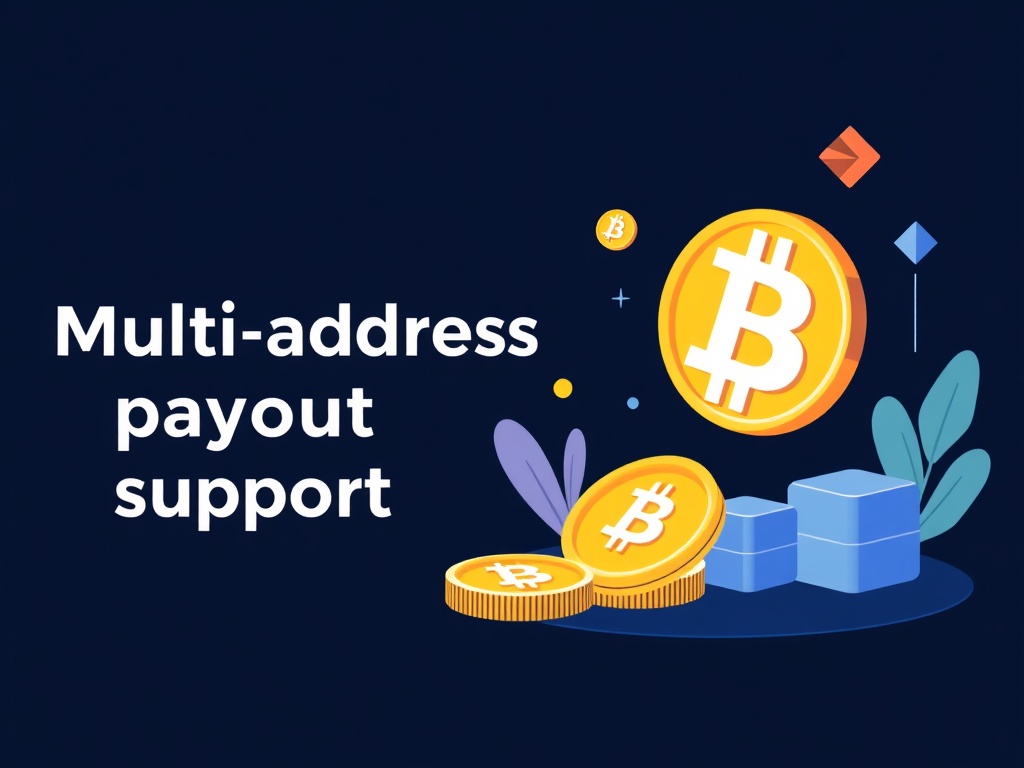
In the rapidly evolving world of cryptocurrency transactions, privacy and security remain paramount concerns for users. Bitcoin mixers, also known as Bitcoin tumblers, have emerged as a popular solution to enhance anonymity by obscuring the origin and destination of funds. Among the advanced features offered by modern Bitcoin mixing services, multi-address payout support stands out as a critical tool for users seeking greater flexibility and control over their transactions. This article explores the concept of multi-address payout support in the context of BTC mixer services, its benefits, implementation, and best practices for users.
The Role of Bitcoin Mixers in Enhancing Transaction Privacy
Bitcoin, while pseudonymous, operates on a public ledger where all transactions are traceable. This transparency, while beneficial for auditing and regulatory compliance, poses significant privacy risks for users. Bitcoin mixers address this issue by breaking the direct link between the sender and receiver addresses through a process known as coin mixing or tumbling.
The primary function of a Bitcoin mixer is to pool together funds from multiple users and redistribute them in a way that severs the connection between the original sender and the final recipient. This process involves several steps:
- Deposit: Users send their Bitcoin to the mixer's address.
- Mixing: The mixer combines these funds with those of other users.
- Payout: The mixed Bitcoin is sent to the user's designated address or addresses.
While the basic concept of Bitcoin mixing is straightforward, the implementation of advanced features like multi-address payout support adds layers of complexity and utility. This feature allows users to receive their mixed Bitcoin across multiple addresses, further enhancing privacy and operational flexibility.
Why Privacy Matters in Bitcoin Transactions
Privacy in Bitcoin transactions is not just about anonymity for its own sake; it is also about protecting users from potential threats such as:
- Surveillance: Governments, corporations, or malicious actors may attempt to track transactions to identify individuals or entities.
- Targeted Attacks: Public knowledge of Bitcoin holdings can make users vulnerable to phishing, extortion, or theft.
- Financial Profiling: Third parties may use transaction data to build profiles for marketing, credit scoring, or other purposes.
By utilizing a Bitcoin mixer with multi-address payout support, users can mitigate these risks by ensuring that their transactions are not easily traceable back to them. This feature is particularly valuable for individuals and businesses operating in regions with strict financial regulations or for those who prioritize financial sovereignty.
What Is Multi-Address Payout Support?
Multi-address payout support is a feature offered by advanced Bitcoin mixing services that allows users to receive their mixed funds across multiple Bitcoin addresses. Instead of consolidating the payout into a single address, users can specify several addresses to which the mixed Bitcoin will be distributed. This capability provides several advantages, including enhanced privacy, better fund management, and reduced risk of exposure.
How Multi-Address Payout Support Works
The process of utilizing multi-address payout support in a Bitcoin mixer typically involves the following steps:
- User Registration and Login: Users begin by creating an account on the Bitcoin mixer platform, if required, or proceed directly to the mixing service.
- Deposit of Funds: Users send their Bitcoin to the mixer's deposit address. The amount and timing of the deposit are recorded on the blockchain.
- Configuration of Payout Addresses: Before or during the mixing process, users specify the Bitcoin addresses where they wish to receive their mixed funds. These addresses can be newly generated or existing ones, depending on the user's preference.
- Mixing Process: The mixer pools the user's funds with those of other users and performs the necessary transactions to obscure the origin of the funds.
- Distribution of Funds: Once the mixing is complete, the Bitcoin is distributed across the user-specified addresses according to the chosen distribution method (e.g., equal amounts, proportional to input, or custom allocations).
- Confirmation and Verification: Users can verify the receipt of funds on the blockchain and confirm that the distribution matches their expectations.
This process ensures that even if one of the payout addresses is compromised or linked to the user, the other addresses remain secure, thereby maintaining overall transaction privacy.
Types of Distribution Methods in Multi-Address Payouts
Bitcoin mixers that support multi-address payout support often provide users with different distribution methods to customize how their funds are allocated. Common methods include:
- Equal Distribution: The mixed Bitcoin is divided equally among all specified addresses. For example, if a user sends 1 BTC to be mixed and specifies three addresses, each address will receive approximately 0.333 BTC.
- Proportional Distribution: The funds are distributed proportionally based on the input amount from each address. This method is useful when users deposit varying amounts to different addresses.
- Custom Allocation: Users can manually specify the exact amount to be sent to each address. This method offers the highest level of control but requires careful planning to avoid errors.
- Randomized Distribution: The mixer randomly allocates funds to the specified addresses to further obfuscate the transaction trail. This method is ideal for users seeking maximum privacy.
Each distribution method has its own advantages, and the choice often depends on the user's specific needs, such as the level of privacy desired, the urgency of fund access, or the need for precise fund management.
Benefits of Using Multi-Address Payout Support in Bitcoin Mixers
Incorporating multi-address payout support into Bitcoin mixing services offers a range of benefits that cater to both individual users and businesses. Below are some of the key advantages:
Enhanced Privacy and Anonymity
The most significant benefit of multi-address payout support is the enhanced privacy it provides. By distributing mixed funds across multiple addresses, users can avoid the creation of a single point of failure. If one address is compromised or linked to the user, the other addresses remain secure, making it significantly harder for third parties to trace the entire transaction history.
Additionally, multi-address payouts can help users avoid patterns that might be flagged by blockchain analysis tools. For example, if a user always receives mixed funds to the same address, sophisticated tracking algorithms may eventually link that address to the user's identity. By using multiple addresses, users can break these patterns and maintain a higher level of anonymity.
Improved Fund Management and Organization
For users who manage multiple Bitcoin wallets or addresses for different purposes (e.g., personal savings, business operations, or charitable donations), multi-address payout support offers a practical solution for organizing funds. Instead of receiving all mixed Bitcoin in a single address, users can allocate funds directly to their intended destinations, reducing the need for manual transfers and minimizing transaction fees.
This feature is particularly useful for businesses that require separate accounts for payroll, inventory, or tax purposes. By leveraging multi-address payouts, businesses can streamline their financial operations while maintaining the privacy benefits of Bitcoin mixing.
Reduced Risk of Exposure
Another critical advantage of multi-address payout support is the reduced risk of exposure. In traditional Bitcoin mixing services that consolidate payouts into a single address, users may inadvertently reveal their identity if that address is linked to them through other means (e.g., public disclosures, wallet associations, or KYC requirements).
By distributing funds across multiple addresses, users can compartmentalize their Bitcoin holdings, making it more difficult for external parties to piece together their financial activities. This compartmentalization is especially important for users in high-risk environments or those who operate in industries with stringent regulatory scrutiny.
Flexibility and Customization
Modern Bitcoin mixers that support multi-address payout support often provide users with a high degree of flexibility and customization. Users can choose the number of addresses, the distribution method, and even the timing of the payouts. This level of control allows users to tailor the mixing process to their specific needs, whether they prioritize speed, privacy, or cost-efficiency.
For example, a user who needs to make multiple payments in the near future might opt for a proportional distribution to ensure that each address receives a sufficient amount. Alternatively, a user seeking maximum privacy might choose a randomized distribution to further obscure the transaction trail.
How to Choose a Bitcoin Mixer with Multi-Address Payout Support
Not all Bitcoin mixers offer multi-address payout support, and those that do vary in terms of functionality, reliability, and user experience. When selecting a Bitcoin mixer, users should consider several factors to ensure they choose a service that meets their needs. Below are key criteria to evaluate:
Reputation and Trustworthiness
The reputation of a Bitcoin mixer is one of the most critical factors to consider. Users should research the service's history, read user reviews, and look for any reports of scams or mismanagement. Established mixers with a track record of reliability and transparency are generally safer choices.
Additionally, users should verify whether the mixer has been audited by third-party security firms or has undergone penetration testing to ensure the safety of user funds. A reputable mixer will often provide this information on its website or upon request.
Supported Distribution Methods
As discussed earlier, the distribution method plays a crucial role in the effectiveness of multi-address payout support. Users should look for mixers that offer a variety of distribution options, including equal, proportional, custom, and randomized distributions. The ability to customize the payout process ensures that users can achieve their desired balance between privacy, convenience, and control.
Some mixers may also allow users to set delays between payouts to further obfuscate the transaction timeline. This feature can be particularly useful for users who require an additional layer of privacy.
Fees and Cost-Efficiency
Bitcoin mixers typically charge fees for their services, which can vary widely depending on the mixer's policies and the complexity of the mixing process. Users should compare the fee structures of different mixers to find one that offers a good balance between cost and functionality.
While some mixers charge a flat fee, others may take a percentage of the mixed amount. Users should also be aware of any additional fees for multi-address payout support, as some mixers may charge extra for this feature. It's essential to read the fine print and understand all costs involved before committing to a service.
User Interface and Experience
A well-designed user interface can significantly enhance the mixing experience, especially for users who are new to Bitcoin mixers. Users should look for mixers with intuitive navigation, clear instructions, and responsive customer support. Features such as real-time status updates, transaction history, and address management can also improve the overall user experience.
Additionally, users should consider whether the mixer supports multiple languages and provides clear documentation or tutorials. A user-friendly interface reduces the likelihood of errors and ensures a smoother mixing process.
Security and Privacy Features
Security is paramount when dealing with cryptocurrency transactions. Users should prioritize mixers that implement robust security measures, such as:
- End-to-End Encryption: Ensures that user data and transaction details are protected from interception.
- No-Logs Policy: The mixer does not store logs of user transactions or personal information, reducing the risk of data breaches.
- Multi-Signature Wallets: Requires multiple approvals for fund withdrawals, adding an extra layer of security.
- Tor or VPN Support: Allows users to access the mixer's services anonymously, further protecting their identity.
Users should also verify whether the mixer supports multi-address payout support in a way that does not compromise security. For example, some mixers may require users to provide additional verification steps when using multiple addresses to prevent abuse or fraud.
Step-by-Step Guide to Using Multi-Address Payout Support
For users new to Bitcoin mixing or those unfamiliar with multi-address payout support, the following step-by-step guide provides a practical overview of how to utilize this feature effectively.
Step 1: Select a Reputable Bitcoin Mixer
Begin by researching and selecting a Bitcoin mixer that offers multi-address payout support. Some popular options include Wasabi Wallet, Samourai Wallet, and specialized mixing services like BitMix.Biz or CryptoMixer. Ensure the mixer has a good reputation, transparent fee structure, and positive user reviews.
Step 2: Create an Account (If Required)
Some Bitcoin mixers require users to create an account before using their services. This step may involve providing an email address and setting up a password. However, many mixers operate on a no-registration basis to enhance privacy, so users should choose a service that aligns with their preferences.
Step 3: Generate or Select Payout Addresses
Before initiating the mixing process, users should generate or select the Bitcoin addresses where they wish to receive their mixed funds. These addresses can be newly created in a secure wallet or existing addresses that the user controls. It's essential to ensure that these addresses are compatible with the mixer's requirements (e.g., SegWit or legacy addresses).
Users should also consider the distribution method they wish to use. For example, if they opt for equal distribution, they should ensure that the total amount to be mixed is divisible by the number of addresses. For custom allocations, they should calculate the exact amounts for each address.
Step 4: Initiate the Mixing Process
Once the payout addresses are ready, users can proceed to the mixer's interface to initiate the mixing process. This typically involves:
- Entering the deposit address provided by the mixer.
- Specifying the amount of Bitcoin to be mixed.
- Configuring the payout addresses and distribution method.
- Setting any additional parameters, such as delays or minimum mixing amounts.
- Confirming the transaction and sending the Bitcoin to the mixer's address.
Users should double-check all details before confirming the transaction to avoid errors or delays.
Step 5: Monitor the Mixing Process
After sending the Bitcoin to the mixer, users can monitor the progress of the mixing process through the mixer's interface or blockchain explorers. The time required for mixing can vary depending on the mixer's policies, network congestion, and the complexity of the transaction.
Some mixers provide real-time updates, while others may require users to check periodically. Users should be patient, as the mixing process is designed to ensure maximum privacy and may take longer than a standard Bitcoin transaction.
Step 6: Receive Mixed Funds at Specified Addresses
Once the mixing process is complete, the mixed Bitcoin will be distributed to the user-specified addresses according to the chosen distribution method. Users should verify the receipt of funds on the blockchain to ensure that the distribution was successful and matches their expectations.
If any issues arise, users should contact the mixer's customer support for assistance. Reputable mixers typically offer responsive support to address user concerns promptly.
Step 7: Secure Your Funds
After receiving the mixed funds, users should take steps to secure their Bitcoin. This may involve transferring the funds to a hardware wallet, enabling multi-signature protections, or setting up additional privacy measures such as CoinJoin transactions.
Users should also consider the long-term privacy implications of their Bitcoin holdings. For example, consolidating funds into a single address after mixing may inadvertently link those funds to the user. To maintain privacy, users should continue using best practices such as avoiding address reuse and utilizing privacy-focused wallets.
Common Challenges and Solutions with Multi-Address Payout Support
While multi-address payout support offers significant advantages, users may encounter challenges during the mixing process. Understanding these challenges and their solutions can help users navigate the process more effectively.
Challenge 1: Address Compatibility Issues
Not all Bitcoin addresses are compatible with every mixer. For example, some mixers may not support SegWit addresses, while others may have restrictions on the types of addresses they accept. Users should ensure that their chosen payout addresses are compatible with the mixer's requirements to avoid delays or failed transactions.
Solution: Before initiating the mixing process, users should verify the mixer's supported address types and generate new addresses if necessary. Most wallets allow users to switch between legacy, SegWit, and other address formats.
Challenge 2: Incorrect Distribution Calculations
When using custom distribution methods, users may accidentally miscalculate the amounts to be sent to each address. This can result in funds being sent to the wrong addresses or not being fully distributed.
Solution: Users should double-check their calculations before confirming the transaction. Tools such as Bitcoin calculators or wallet software with built-in distribution features can help ensure accuracy. Additionally, users can test the distribution with a small amount before committing larger sums.
Challenge
 David Chen
Digital Assets Strategist
David Chen
Digital Assets Strategist
Optimizing Digital Asset Payouts: The Strategic Value of Multi-Address Support
As a digital assets strategist with a background in both traditional finance and cryptocurrency markets, I’ve observed that efficient payout mechanisms are a cornerstone of scalable blockchain adoption. Multi-address payout support represents a critical evolution in how institutions and large-scale users manage digital asset distributions. By enabling single transactions to disperse funds across multiple wallets, this feature reduces operational overhead, minimizes transaction fees, and enhances settlement speed—key advantages in high-frequency trading, staking rewards, or payroll systems. From a quantitative perspective, the ability to batch payouts not only optimizes gas costs but also mitigates the risk of slippage in volatile markets, where timing and precision are paramount.
Practically, multi-address payout support aligns with the growing demand for institutional-grade infrastructure in crypto. For example, decentralized finance (DeFi) protocols distributing yield to thousands of liquidity providers or DAOs allocating treasury funds to contributors benefit immensely from this functionality. It streamlines accounting, improves transparency, and reduces the administrative burden of manual transfers. Moreover, in cross-border remittances or merchant payouts, where speed and cost efficiency are critical, multi-address solutions can bridge gaps between traditional finance and blockchain rails. As the digital asset ecosystem matures, I anticipate this feature becoming a standard expectation rather than a luxury—underscoring its role in driving broader adoption and operational excellence.
Optimizing Digital Asset Payouts: The Strategic Value of Multi-Address Support
As a digital assets strategist with a background in both traditional finance and cryptocurrency markets, I’ve observed that efficient payout mechanisms are a cornerstone of scalable blockchain adoption. Multi-address payout support represents a critical evolution in how institutions and large-scale users manage digital asset distributions. By enabling single transactions to disperse funds across multiple wallets, this feature reduces operational overhead, minimizes transaction fees, and enhances settlement speed—key advantages in high-frequency trading, staking rewards, or payroll systems. From a quantitative perspective, the ability to batch payouts not only optimizes gas costs but also mitigates the risk of slippage in volatile markets, where timing and precision are paramount.
Practically, multi-address payout support aligns with the growing demand for institutional-grade infrastructure in crypto. For example, decentralized finance (DeFi) protocols distributing yield to thousands of liquidity providers or DAOs allocating treasury funds to contributors benefit immensely from this functionality. It streamlines accounting, improves transparency, and reduces the administrative burden of manual transfers. Moreover, in cross-border remittances or merchant payouts, where speed and cost efficiency are critical, multi-address solutions can bridge gaps between traditional finance and blockchain rails. As the digital asset ecosystem matures, I anticipate this feature becoming a standard expectation rather than a luxury—underscoring its role in driving broader adoption and operational excellence.