Understanding Reserve Wallet Separation: A Critical Strategy for Crypto Mixers Like BTCmixer
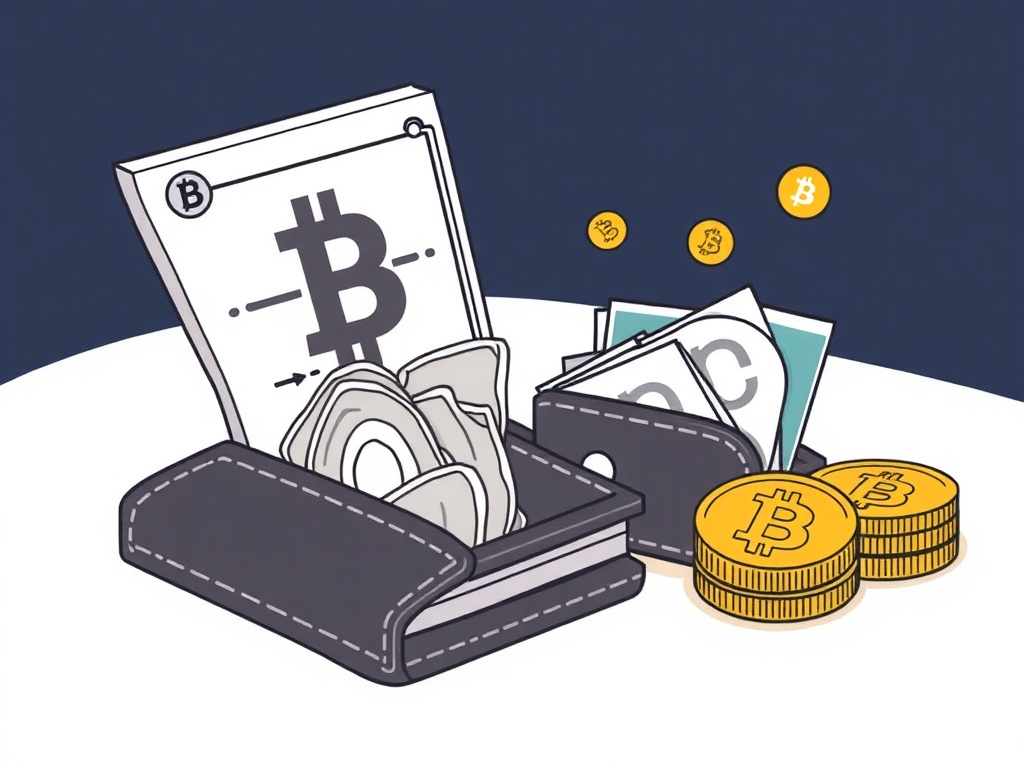
In the rapidly evolving world of cryptocurrency, privacy and security remain paramount concerns for users. One of the most effective strategies to enhance both is reserve wallet separation. This concept is particularly relevant in the context of Bitcoin mixers, such as BTCmixer, where the goal is to obscure transaction trails and protect user anonymity. By implementing reserve wallet separation, crypto mixers can significantly reduce the risk of fund tracing, enhance operational transparency, and build trust with their user base.
This article delves into the intricacies of reserve wallet separation, exploring its importance, implementation strategies, and the benefits it offers to both users and service providers. Whether you're a seasoned crypto enthusiast or a newcomer to the space, understanding this concept will empower you to make more informed decisions when using or evaluating Bitcoin mixers.
The Fundamentals of Reserve Wallet Separation
What Is a Reserve Wallet?
A reserve wallet is a designated cryptocurrency wallet used by Bitcoin mixers to hold a portion of the funds processed through their services. Unlike operational wallets that facilitate transactions, a reserve wallet acts as a buffer, ensuring that the mixer can meet withdrawal demands without directly linking incoming and outgoing transactions. This separation is crucial for maintaining the integrity of the mixing process and preventing blockchain analysis tools from tracing funds back to their original sources.
Why Reserve Wallet Separation Matters in Crypto Mixers
Reserve wallet separation is a cornerstone of effective Bitcoin mixing because it introduces an additional layer of obfuscation. When a mixer pools funds from multiple users and redistributes them through a reserve wallet, it becomes exponentially harder for external observers to link specific inputs to outputs. This is particularly important in an era where blockchain forensics tools are becoming increasingly sophisticated.
Moreover, reserve wallet separation helps mitigate the risks associated with front-running and denial-of-service (DoS) attacks. By maintaining a separate reserve, mixers can ensure that they have sufficient liquidity to process withdrawals even under high demand, without compromising the anonymity of their users.
How Reserve Wallet Separation Differs from Traditional Mixing
Traditional Bitcoin mixing services often rely on a single operational wallet to receive and distribute funds. While this method can provide some level of anonymity, it is vulnerable to analysis by blockchain detectives who can trace the flow of funds through the mixer's wallet addresses. Reserve wallet separation, on the other hand, introduces a multi-tiered approach where funds are first consolidated in a reserve wallet before being redistributed. This additional step breaks the direct link between deposits and withdrawals, making it far more difficult to reconstruct transaction histories.
The Role of Reserve Wallet Separation in Enhancing Privacy
Breaking the Chain of Transaction Tracing
One of the primary goals of any Bitcoin mixer is to sever the connection between a user's deposit and their withdrawal. Reserve wallet separation achieves this by ensuring that funds are pooled and redistributed in a way that obscures their origin. When a user deposits Bitcoin into a mixer, the funds are first sent to an operational wallet. From there, they are transferred to the reserve wallet, where they are mixed with funds from other users. Finally, the mixed funds are withdrawn to the user's designated address. This multi-step process makes it nearly impossible for blockchain analysts to trace the funds back to their original source.
Preventing Address Clustering and Heuristic Analysis
Blockchain analysis tools often rely on address clustering and heuristic analysis to track the flow of cryptocurrency. These techniques involve grouping wallet addresses based on transaction patterns and identifying common owners. Reserve wallet separation disrupts these methods by ensuring that the mixer's operational and reserve wallets do not exhibit predictable transaction patterns. Since the reserve wallet holds a pool of mixed funds, it becomes challenging for analysts to associate specific deposits with withdrawals, thereby preserving user privacy.
Mitigating the Risks of Dusting Attacks
Dusting attacks are a common tactic used by malicious actors to deanonymize Bitcoin users. In such attacks, small amounts of cryptocurrency (known as "dust") are sent to a user's wallet addresses. By analyzing the subsequent transactions involving this dust, attackers can attempt to link addresses and uncover the user's identity. Reserve wallet separation helps mitigate the risks of dusting attacks by ensuring that the mixer's reserve wallet does not directly interact with user wallets. Instead, funds are redistributed in a way that obscures their origin, making it difficult for attackers to trace the dust back to its source.
Implementing Reserve Wallet Separation: Best Practices for BTCmixer and Other Mixers
Choosing the Right Reserve Wallet Structure
The effectiveness of reserve wallet separation largely depends on the structure of the reserve wallet itself. Mixers should consider the following factors when designing their reserve wallet system:
- Decentralization: To enhance security, the reserve wallet should be part of a decentralized architecture where no single entity controls the funds. This reduces the risk of theft or mismanagement.
- Multi-Signature Requirements: Implementing multi-signature (multi-sig) wallets ensures that multiple parties must approve transactions, adding an extra layer of security.
- Regular Audits: Conducting regular audits of the reserve wallet helps ensure that funds are accounted for and that the mixer is operating transparently.
- Dynamic Reserve Sizing: Adjusting the size of the reserve wallet based on demand can help maintain liquidity while minimizing the risk of fund tracing.
Automating the Mixing Process
To streamline operations and reduce human error, BTCmixer and other mixers should consider automating the mixing process. This involves using smart contracts or automated scripts to handle the transfer of funds between operational wallets, reserve wallets, and user withdrawal addresses. Automation not only improves efficiency but also ensures consistency in the application of reserve wallet separation.
For example, a mixer could implement a time-delayed mixing algorithm where funds are held in the reserve wallet for a random period before being redistributed. This further obfuscates the transaction trail and enhances user privacy.
Ensuring Transparency and Trust
Transparency is key to building trust with users. Mixers should provide clear documentation on how reserve wallet separation is implemented, including details about the reserve wallet's structure, audit processes, and security measures. Additionally, mixers can consider publishing periodic reports on reserve wallet balances and transaction volumes to demonstrate their commitment to transparency.
Some mixers also offer proof-of-reserve mechanisms, where they provide cryptographic proof that the reserve wallet holds the claimed amount of funds. This helps reassure users that the mixer is solvent and capable of meeting withdrawal demands.
Challenges and Considerations in Reserve Wallet Separation
Balancing Privacy with Regulatory Compliance
While reserve wallet separation is an effective strategy for enhancing privacy, it also presents challenges in terms of regulatory compliance. Many jurisdictions require cryptocurrency service providers to implement Know Your Customer (KYC) and Anti-Money Laundering (AML) measures. These requirements can conflict with the anonymity goals of Bitcoin mixers.
To address this, mixers must strike a balance between privacy and compliance. One approach is to implement optional KYC, where users can choose to verify their identity in exchange for higher withdrawal limits or reduced fees. Another approach is to use zero-knowledge proofs or other privacy-preserving technologies to demonstrate compliance without revealing sensitive user data.
Managing Liquidity and Operational Risks
Maintaining an adequate reserve wallet balance is critical for ensuring smooth operations. However, holding large amounts of cryptocurrency in a reserve wallet also introduces risks, such as theft, hacking, or regulatory seizures. Mixers must carefully manage their reserve wallet balances to balance liquidity needs with risk mitigation.
One strategy is to use cold storage for the majority of the reserve wallet funds, keeping only a small portion in hot wallets for immediate liquidity needs. Additionally, mixers can diversify their reserve holdings across multiple wallets or even different cryptocurrencies to reduce exposure to single points of failure.
Addressing User Misconceptions and Trust Issues
Despite the benefits of reserve wallet separation, some users may remain skeptical about the legitimacy of Bitcoin mixers. Common misconceptions include fears of fund theft, lack of transparency, and concerns about the mixer's ability to deliver on its promises. To overcome these challenges, mixers must prioritize user education and transparency.
Providing clear documentation, publishing audit reports, and offering customer support can help build trust with users. Additionally, mixers can consider implementing user-controlled mixing features, where users have more control over the mixing process, such as selecting the timing of withdrawals or choosing the reserve wallet used for their transactions.
Case Study: How BTCmixer Implements Reserve Wallet Separation
BTCmixer’s Multi-Tiered Wallet Architecture
BTCmixer, one of the leading Bitcoin mixing services, has developed a sophisticated multi-tiered wallet architecture to implement reserve wallet separation effectively. The system consists of three primary components:
- Operational Wallets: These wallets receive deposits from users and initiate the mixing process. Each operational wallet is designed to handle a specific volume of transactions to prevent address clustering.
- Reserve Wallet: Funds from operational wallets are transferred to the reserve wallet, where they are pooled with funds from other users. The reserve wallet is structured as a multi-sig wallet, requiring multiple approvals for withdrawals.
- Redistribution Wallets: Once funds are mixed in the reserve wallet, they are redistributed to user withdrawal addresses. BTCmixer uses a randomized redistribution algorithm to ensure that no two transactions follow the same pattern.
Dynamic Reserve Sizing and Liquidity Management
BTCmixer employs a dynamic reserve sizing strategy to balance liquidity needs with privacy concerns. The size of the reserve wallet is adjusted based on real-time demand, ensuring that the mixer can meet withdrawal requests without holding excessive funds in a single wallet. This approach minimizes the risk of fund tracing while maintaining operational efficiency.
Additionally, BTCmixer uses a time-weighted average price (TWAP) model to determine the optimal timing for redistributing funds from the reserve wallet. This helps prevent predictable transaction patterns that could be exploited by blockchain analysts.
Transparency and User Trust
To build trust with its user base, BTCmixer provides detailed documentation on its reserve wallet separation process, including information about the wallet architecture, audit procedures, and security measures. The mixer also publishes periodic transparency reports, which include data on reserve wallet balances, transaction volumes, and user feedback.
Furthermore, BTCmixer offers a proof-of-reserve feature, allowing users to verify that the reserve wallet holds the claimed amount of funds. This is achieved through cryptographic proofs that demonstrate the mixer's solvency without revealing sensitive user data.
Future Trends and Innovations in Reserve Wallet Separation
The Rise of Decentralized Mixers
As the cryptocurrency ecosystem evolves, decentralized Bitcoin mixers are gaining traction as a more secure and private alternative to centralized services. These mixers leverage blockchain technologies such as smart contracts and decentralized autonomous organizations (DAOs) to implement reserve wallet separation in a trustless manner.
For example, decentralized mixers like Wasabi Wallet and Samourai Wallet use CoinJoin protocols to pool funds from multiple users and redistribute them in a way that obscures transaction trails. These protocols inherently incorporate elements of reserve wallet separation, as funds are held in a shared pool before being redistributed.
Integration with Privacy Coins and Layer-2 Solutions
Privacy coins like Monero (XMR) and Zcash (ZEC) are designed to provide enhanced anonymity features that complement the goals of Bitcoin mixers. By integrating with these privacy coins, Bitcoin mixers can offer users an additional layer of obfuscation. For instance, users could deposit Bitcoin, convert it to Monero in the reserve wallet, and then withdraw Monero to a privacy-focused address. This approach leverages the strengths of both Bitcoin and privacy coins to maximize user privacy.
Similarly, layer-2 solutions like the Lightning Network can be used to facilitate faster and more private transactions. By routing funds through the Lightning Network before redistributing them, Bitcoin mixers can further obscure transaction trails and reduce the risk of blockchain analysis.
The Role of Artificial Intelligence in Enhancing Privacy
Artificial intelligence (AI) and machine learning (ML) are emerging as powerful tools for enhancing the privacy and security of Bitcoin mixers. AI algorithms can analyze transaction patterns in real-time and dynamically adjust the mixing process to minimize the risk of fund tracing. For example, AI could be used to identify and disrupt predictable transaction patterns, such as those that might arise from automated mixing scripts.
Additionally, AI can help mixers optimize their reserve wallet separation strategies by analyzing user behavior and adjusting reserve sizing, redistribution timing, and wallet architecture in real-time. This adaptive approach ensures that the mixer remains effective even as blockchain analysis tools become more sophisticated.
Practical Tips for Users: Maximizing Privacy with Reserve Wallet Separation
Choosing a Reputable Bitcoin Mixer
Not all Bitcoin mixers implement reserve wallet separation effectively. When selecting a mixer, users should look for the following features to ensure optimal privacy:
- Clear Documentation: The mixer should provide detailed information about its wallet architecture, mixing process, and security measures.
- Transparency Reports: Look for mixers that publish regular transparency reports, including data on reserve wallet balances and transaction volumes.
- User-Controlled Features: Mixers that allow users to customize the mixing process, such as selecting withdrawal timing or reserve wallet preferences, offer greater flexibility and control.
- Proof-of-Reserve: Some mixers provide cryptographic proof that their reserve wallet holds the claimed amount of funds, which can help build trust.
Best Practices for Using Bitcoin Mixers
To maximize the benefits of reserve wallet separation, users should follow these best practices when using Bitcoin mixers:
- Use Multiple Mixers: Diversify your mixing strategy by using multiple mixers with different reserve wallet structures. This reduces the risk of any single mixer being compromised or analyzed.
- Randomize Withdrawal Addresses: Avoid using the same withdrawal address repeatedly. Instead, generate new addresses for each transaction to further obscure your transaction history.
- Time Your Withdrawals: Randomize the timing of your withdrawals to prevent predictable patterns that could be exploited by blockchain analysts.
- Monitor Transaction Fees: Be mindful of transaction fees, as high fees can sometimes reveal information about the mixing process. Opt for mixers that offer competitive and transparent fee structures.
- Stay Informed: Keep up-to-date with the latest developments in blockchain analysis tools and privacy-enhancing technologies. This will help you make informed decisions about which mixers and strategies to use.
Avoiding Common Pitfalls
While reserve wallet separation is a powerful tool for enhancing privacy, users should be aware of common pitfalls that could compromise their anonymity:
- Reusing Addresses: Avoid reusing Bitcoin addresses, as this can link transactions and undermine the privacy benefits of mixing.
- Ignoring Fee Structures: Some mixers may use fee structures that inadvertently reveal information about the mixing process. Always review the fee structure before using a mixer.
- Failing to Verify Transparency Reports: While transparency reports are a good sign, users should verify the data independently to ensure its accuracy.
- Overlooking Regulatory Risks: Be aware of the legal and regulatory landscape in your jurisdiction. Some mixers may operate in gray areas, which could pose risks to users.
Conclusion: The Future of Reserve Wallet Separation in Crypto Privacy
Reserve wallet separation is a critical strategy for enhancing the privacy and security of Bitcoin mixers like BTCmixer. By implementing a multi-tiered wallet architecture, mixers can obscure transaction trails, prevent blockchain analysis, and build trust with their user base. As the cryptocurrency ecosystem continues to evolve, innovations such as decentralized mixers, privacy coins, and AI-driven privacy tools will further enhance the effectiveness of reserve wallet separation

Why Reserve Wallet Separation is Critical for DeFi Protocol Security
As a DeFi and Web3 analyst with years of experience dissecting protocol vulnerabilities, I cannot overstate the importance of reserve wallet separation in maintaining the integrity and trustworthiness of decentralized finance ecosystems. Many protocols treat reserve funds—whether for treasury management, staking rewards, or emergency backstops—as a single, monolithic wallet, often controlled by a multisig or DAO. This approach, while administratively convenient, creates a single point of failure. A compromised private key, a malicious insider, or even a simple human error could lead to catastrophic fund loss. Reserve wallet separation mitigates this risk by distributing assets across multiple, purpose-specific wallets, each with distinct access controls and audit trails. For example, separating treasury funds from staking rewards ensures that even if one wallet is breached, the protocol’s core operations remain intact. This is not just theoretical—we’ve seen too many high-profile exploits where a single wallet compromise led to millions in losses.
Beyond security, reserve wallet separation also enhances transparency and operational clarity, which are cornerstones of Web3 governance. When funds are compartmentalized—such as dedicating one wallet to protocol-owned liquidity, another to team incentives, and a third to emergency reserves—stakeholders can more easily audit fund flows and verify that allocations align with the protocol’s stated objectives. This is particularly critical in DeFi, where trust is often the scarcest resource. Protocols that implement strict separation, such as those using Gnosis Safe with role-based access control, demonstrate a commitment to best practices that can attract institutional capital and long-term holders. In my research, I’ve found that protocols with clear reserve separation tend to have lower volatility in governance token prices, as investors perceive them as more resilient to mismanagement or malfeasance. The lesson is clear: if you’re building or investing in a DeFi protocol, insist on reserve wallet separation—not as an optional feature, but as a non-negotiable security standard.