Understanding the Flat Rate Mixing Fee in Bitcoin Mixers: A Complete Guide for Privacy-Conscious Users
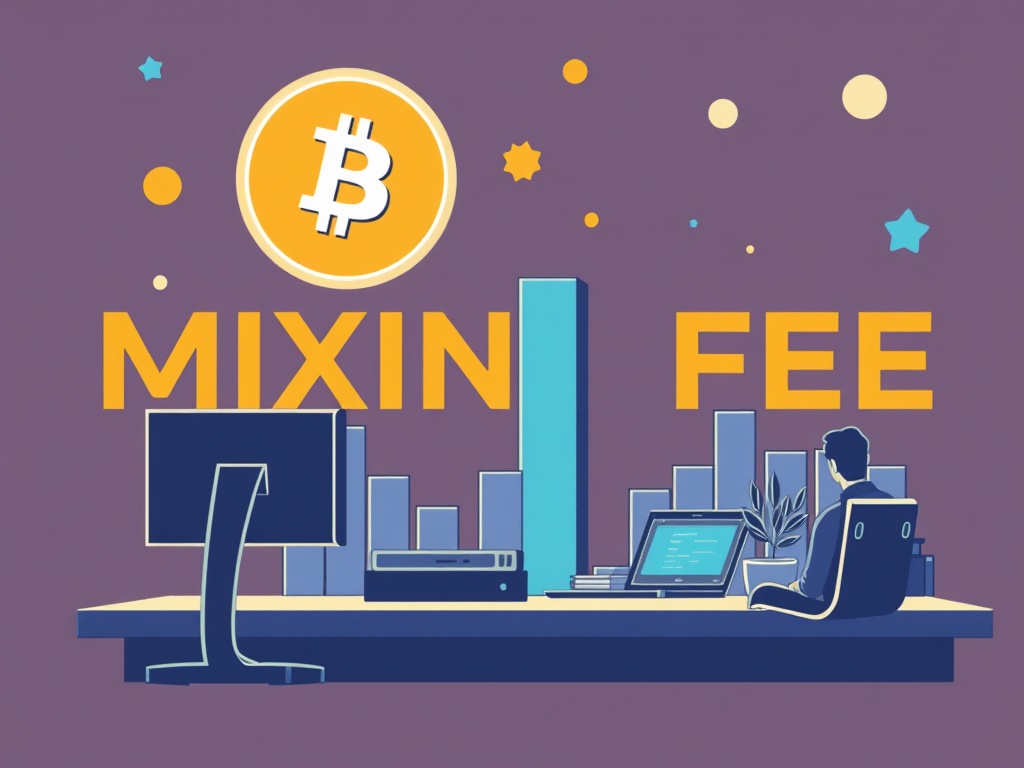
In the evolving landscape of cryptocurrency privacy tools, Bitcoin mixers have become essential for users seeking to enhance their financial anonymity. Among the various fee structures offered by these services, the flat rate mixing fee stands out as a predictable and transparent option. Unlike percentage-based models that fluctuate with transaction size, a flat rate mixing fee ensures users know exactly what they’ll pay upfront, regardless of the amount being mixed.
This guide explores the concept of the flat rate mixing fee in depth, comparing it to other fee models, examining its benefits and drawbacks, and providing practical advice for users considering Bitcoin mixers. Whether you're a seasoned crypto investor or new to the world of digital privacy, understanding how flat rate mixing fees work can help you make informed decisions about safeguarding your transactions.
What Is a Bitcoin Mixer and Why Do Fees Matter?
The Role of Bitcoin Mixers in Financial Privacy
A Bitcoin mixer, also known as a Bitcoin tumbler, is a service designed to obscure the origin and destination of Bitcoin transactions. By pooling funds from multiple users and redistributing them in randomized amounts, mixers break the on-chain link between sender and receiver addresses. This process is crucial for individuals who value financial privacy, especially in regions with strict financial surveillance or for those handling large transactions.
However, privacy comes at a cost. Bitcoin mixers charge fees to maintain their operations, cover transaction costs on the Bitcoin network, and compensate for the computational resources required to shuffle funds securely. These fees vary widely across platforms, and understanding their structure is key to choosing a reliable and cost-effective mixing service.
Why Fee Structure Matters: Predictability vs. Flexibility
Not all Bitcoin mixers use the same fee model. The two primary fee structures are:
- Percentage-based fees: A fixed percentage (e.g., 1%–3%) of the total amount mixed. This means larger transactions incur higher fees.
- Flat rate mixing fees: A fixed dollar amount charged per transaction, regardless of the amount being mixed.
While percentage-based fees may seem fair at first glance, they can become expensive for high-value transactions. On the other hand, a flat rate mixing fee offers cost predictability, making it ideal for users who prioritize budgeting and transparency over variable costs.
For example, mixing 0.1 BTC with a 2% fee would cost 0.002 BTC, while mixing 10 BTC would cost 0.2 BTC. In contrast, a flat rate mixing fee of $10 would remain the same whether you're mixing 0.1 BTC or 10 BTC (assuming the service supports both amounts).
How the Flat Rate Mixing Fee Works: A Step-by-Step Breakdown
Step 1: Selecting a Bitcoin Mixer with Flat Rate Pricing
Not all Bitcoin mixers offer a flat rate mixing fee. Users must actively seek out services that explicitly advertise this pricing model. Popular platforms known for flat rate fees include Bitcoin Mixer, CryptoMixer, and MixTum. These services typically display their fee structure prominently on their websites, often in a dedicated "Fees" or "Pricing" section.
When evaluating a mixer, consider the following:
- Minimum and maximum deposit limits: Some flat rate mixers impose minimum deposit requirements (e.g., 0.01 BTC) to ensure the fee is economically viable for the service.
- Supported cryptocurrencies: While Bitcoin is the most common, some mixers support Litecoin, Ethereum, and other altcoins with flat rate fees.
- Additional fees: Some services may charge extra for fast processing, custom delay settings, or multiple output addresses.
Step 2: Initiating the Mixing Process
Once you’ve selected a mixer with a flat rate mixing fee, the process begins by visiting the platform’s website. Most mixers require users to:
- Enter the Bitcoin address where they want to receive the mixed funds.
- Specify any custom preferences, such as delay times or the number of output addresses.
- Deposit the Bitcoin amount to be mixed into the mixer’s designated address.
At this stage, the flat rate mixing fee is either deducted from the deposited amount or charged separately. Some services deduct the fee upfront, while others apply it at the end of the mixing process. Users should review the platform’s terms to avoid surprises.
Step 3: The Mixing Process and Fee Deduction
After depositing funds, the mixer begins the mixing process, which typically involves:
- Pooling: Your Bitcoin is combined with funds from other users to obscure the transaction trail.
- Shuffling: The mixer redistributes the pooled funds to new addresses in randomized amounts.
- Distribution: The mixed Bitcoin is sent to your specified output address(es).
The flat rate mixing fee is applied during this phase. For instance, if you deposit 1 BTC and the mixer charges a $15 flat rate fee, you may receive approximately 0.985 BTC (minus network fees and the flat rate). The exact amount depends on the mixer’s policies and any additional charges.
Step 4: Receiving the Mixed Bitcoin
Once the mixing process is complete, the cleaned Bitcoin is sent to your wallet. The transaction will appear on the blockchain, but the link to your original address will be significantly weakened due to the mixing process. It’s important to note that the flat rate mixing fee does not affect the privacy level of the mix—it only influences the cost.
Users should always verify the transaction on a blockchain explorer to ensure the funds were received correctly and that no unexpected fees were applied.
Advantages of Choosing a Flat Rate Mixing Fee
Cost Predictability and Budgeting
One of the most significant benefits of a flat rate mixing fee is its predictability. Unlike percentage-based fees, which can vary dramatically based on the transaction size, a flat fee remains constant. This makes it easier for users to plan their expenses, especially when mixing large amounts of Bitcoin.
For example, if a mixer charges a $20 flat rate fee, you’ll know exactly how much to allocate for mixing, regardless of whether you’re processing 0.5 BTC or 5 BTC. This transparency is particularly valuable for businesses, frequent traders, or individuals managing multiple transactions.
Cost Efficiency for Large Transactions
Percentage-based fees disproportionately impact users who mix large amounts of Bitcoin. A 2% fee on 10 BTC amounts to 0.2 BTC, which could be worth thousands of dollars depending on the market price. In contrast, a flat rate mixing fee of $20 remains the same, making it far more cost-effective for high-value transactions.
This cost efficiency is a major reason why many privacy-focused users and institutions prefer flat rate mixers for large-scale operations.
Simplified Comparison Shopping
When evaluating Bitcoin mixers, users often compare fees across multiple platforms. A flat rate mixing fee simplifies this process by providing a straightforward metric: the fixed cost. This allows for quick and accurate comparisons without the need for complex calculations.
For instance, if Mixer A charges a $10 flat rate and Mixer B charges a 1% fee, you can easily determine which is cheaper for your specific transaction size. This transparency fosters healthy competition among mixer providers and empowers users to make informed choices.
Reduced Risk of Overpaying
With percentage-based fees, users may unknowingly overpay if they’re not paying close attention to the fee percentage and transaction size. A flat rate mixing fee eliminates this risk by capping the cost at a predetermined amount. This is especially beneficial for users who are new to Bitcoin mixers and may not be familiar with fee structures.
Additionally, some percentage-based mixers may have hidden fees or apply additional charges for premium features. A flat rate model reduces the likelihood of encountering unexpected costs.
Potential Drawbacks of Flat Rate Mixing Fees
Higher Relative Cost for Small Transactions
While a flat rate mixing fee offers predictability, it may not always be the most cost-effective option for small transactions. For example, mixing 0.01 BTC (approximately $500 at current prices) with a $15 flat rate fee results in a 3% effective fee, whereas a 1% percentage-based fee would cost only $5.
Users mixing small amounts should carefully compare the flat rate fee to percentage-based alternatives to determine which model offers better value.
Limited Availability of Flat Rate Mixers
Not all Bitcoin mixers offer a flat rate mixing fee. Many popular mixers, such as Wasabi Wallet’s CoinJoin or Samourai Wallet’s Whirlpool, use percentage-based or dynamic fee models. This limits the options available to users who specifically want a flat rate structure.
Additionally, some flat rate mixers may have stricter deposit limits or fewer customization options compared to their percentage-based counterparts. Users should weigh these trade-offs when selecting a mixer.
Potential for Lower Privacy in Some Cases
While the flat rate mixing fee itself does not impact privacy, the way some flat rate mixers operate might. For example, some services with flat rate fees may use simpler mixing algorithms or fewer output addresses to control costs. This could result in less robust privacy compared to premium mixers that use advanced techniques like Chaumian CoinJoin or cryptographic proofs.
Users should research the mixing methodology of any flat rate mixer they consider to ensure it meets their privacy standards.
How to Choose the Best Bitcoin Mixer with a Flat Rate Mixing Fee
Evaluating Reputation and Trustworthiness
Not all Bitcoin mixers are created equal, and choosing a reputable service is critical to ensuring your funds remain safe and your privacy is preserved. When selecting a mixer with a flat rate mixing fee, consider the following factors:
- User reviews and testimonials: Look for feedback from other users on forums like Reddit, BitcoinTalk, or Trustpilot. Pay attention to reports of lost funds, poor mixing quality, or unresponsive customer support.
- Transparency: Reputable mixers provide clear information about their fee structure, mixing process, and security measures. Avoid services that are vague about their operations.
- No-log policies: Ensure the mixer has a strict no-log policy to prevent them from storing or sharing your transaction data with third parties.
- Security features: Look for mixers that use HTTPS, provide PGP encryption for communication, and offer features like delayed transactions or multiple output addresses to enhance privacy.
Comparing Fee Structures Across Platforms
While the flat rate mixing fee is a key consideration, it shouldn’t be the only factor in your decision. Compare the following elements across different mixers:
- Minimum and maximum deposit limits: Ensure the mixer supports the amount of Bitcoin you intend to mix.
- Supported cryptocurrencies: If you need to mix altcoins, verify that the platform supports them with a flat rate fee.
- Processing time: Some mixers offer faster processing for an additional fee, while others have standard delays to enhance privacy.
- Customization options: Features like adjustable delays, multiple output addresses, or custom fee adjustments can improve privacy but may come at an extra cost.
Here’s a comparison table of popular Bitcoin mixers with flat rate fees:
| Mixer | Flat Rate Fee | Minimum Deposit | Supported Coins | Processing Time | Key Features |
|---|---|---|---|---|---|
| Bitcoin Mixer | $10–$50 (varies by delay) | 0.01 BTC | BTC, LTC | 1–24 hours | No logs, multiple output addresses |
| CryptoMixer | $25 flat rate | 0.005 BTC | BTC, ETH, USDT | 1–6 hours | 24/7 support, custom delays |
| MixTum | $5–$20 (depends on speed) | 0.001 BTC | BTC, LTC, DOGE | Instant–24 hours | Low minimums, fast mixing |
| Bitcoin Blender | $15 flat rate | 0.01 BTC | BTC | 3–12 hours | No registration, PGP support |
Prioritizing Security and Privacy Features
While the flat rate mixing fee is important, it’s equally crucial to prioritize security and privacy. Look for mixers that offer the following features:
- No logs policy: The mixer should not store any records of your transactions or personal information.
- Tor or I2P support: Accessing the mixer via the Tor network or I2P can further obscure your IP address and enhance anonymity.
- PGP encryption: Some mixers allow users to communicate securely via PGP-encrypted emails, protecting sensitive information.
- Delayed transactions: Adding random delays between the deposit and distribution of funds can make it harder for third parties to trace transactions.
- Multiple output addresses: Sending mixed funds to multiple addresses further breaks the transaction trail.
By combining a reliable flat rate mixing fee with robust security features, you can maximize both cost efficiency and privacy.
Common Misconceptions About Flat Rate Mixing Fees
Myth 1: Flat Rate Fees Are Always Cheaper
While a flat rate mixing fee can be cost-effective for large transactions, it may not always be the cheapest option. For small amounts, percentage-based fees often result in lower absolute costs. For example, mixing 0.005 BTC (approximately $250) with a 1% fee costs $2.50, whereas a $10 flat rate fee would be significantly more expensive in relative terms.
Always calculate the effective fee percentage based on your transaction size to determine the most cost-effective option.
Myth 2: All Flat Rate Mixers Offer the Same Privacy
Not all Bitcoin mixers are created equal, even if they charge a flat rate mixing fee. Some mixers use basic mixing algorithms that may not provide robust privacy, while others employ advanced techniques like CoinJoin or cryptographic shuffling to enhance anonymity.
Users should research the mixing methodology of any platform they consider to ensure it meets their privacy needs.
Myth 3: Flat Rate Fees Are Fixed Forever
Some users assume that a flat rate mixing fee remains constant over time. However, mixer operators may adjust their fees based on market conditions, operational costs, or demand. It’s important to check the fee structure periodically to avoid unexpected changes.
Reputable mixers will notify users of fee adjustments through their website or email communications.
Myth 4: Flat Rate Mixers Are Less Secure
There’s a misconception that mixers charging a flat rate mixing fee are less secure than those using percentage-based models. In reality, security depends on the mixer’s infrastructure, encryption practices, and operational policies—not the fee structure. Many flat

As a digital assets strategist with deep experience in both traditional finance and cryptocurrency markets, I view the concept of a flat rate mixing fee as a double-edged sword in the pursuit of financial privacy and regulatory compliance. On one hand, fixed-fee mixing services offer predictability and cost efficiency for users seeking to obfuscate transaction trails without the volatility of percentage-based pricing. This is particularly valuable in jurisdictions where transaction fees fluctuate wildly due to network congestion or speculative activity. However, the rigidity of a flat rate may inadvertently disadvantage high-volume users or those with smaller transactions, potentially creating a regressive cost structure that undermines the democratization of privacy tools. From a market microstructure perspective, such a model could also introduce inefficiencies by failing to account for the marginal cost of processing complex mixing operations, particularly in privacy-preserving protocols like CoinJoin or zk-SNARKs.
Practically speaking, the adoption of a flat rate mixing fee should be evaluated through the lens of user behavior and regulatory risk. For institutional players or privacy-conscious individuals transacting large volumes, a fixed fee may align with their operational needs, but it risks pricing out retail users who are more sensitive to cost. Moreover, in an era where regulators are increasingly scrutinizing privacy-enhancing technologies, a one-size-fits-all fee structure could draw unnecessary attention to mixing services, potentially accelerating compliance burdens or outright bans in certain jurisdictions. My recommendation is to pair flat-rate models with tiered or dynamic pricing options, allowing users to opt for cost efficiency or enhanced privacy based on their risk tolerance. This hybrid approach not only preserves accessibility but also future-proofs the service against evolving regulatory landscapes.