Understanding Tornado Cash Relayers: A Comprehensive Guide to Privacy-Preserving Transactions
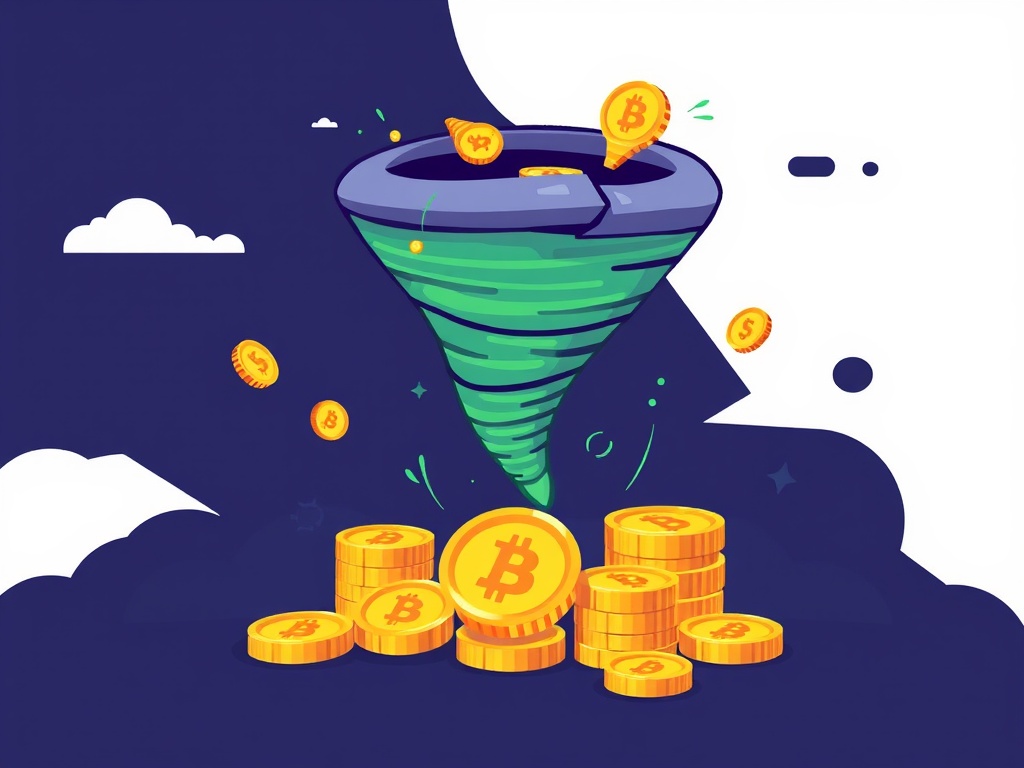
In the evolving landscape of decentralized finance (DeFi) and blockchain privacy solutions, Tornado Cash relayers have emerged as a critical component for users seeking enhanced anonymity. As regulatory scrutiny intensifies and blockchain transparency becomes a double-edged sword, privacy tools like Tornado Cash have gained significant traction. This article explores the intricacies of Tornado Cash relayers, their functionality, benefits, risks, and the broader implications for the crypto ecosystem.
Whether you're a seasoned DeFi trader, a privacy advocate, or a curious newcomer, understanding how Tornado Cash relayers operate can provide valuable insights into the future of financial privacy. We'll delve into the technical underpinnings, compare alternatives, and examine the legal and ethical considerations surrounding these tools.
What Are Tornado Cash Relayers and How Do They Work?
The Role of Tornado Cash in Blockchain Privacy
Tornado Cash is a decentralized, non-custodial privacy solution built on Ethereum and other EVM-compatible blockchains. It allows users to break the on-chain link between their source and destination addresses by mixing cryptocurrency deposits with those of other users. This process, known as coin mixing, obscures transaction trails, making it difficult to trace funds.
At its core, Tornado Cash relies on a smart contract-based system where users deposit funds into a shared pool and withdraw an equivalent amount from a different address. The key innovation lies in its use of zero-knowledge proofs (ZKPs), specifically zk-SNARKs, which verify the legitimacy of withdrawals without revealing the original deposit address.
Introduction to Tornado Cash Relayers
Tornado Cash relayers are third-party services or individuals that facilitate the withdrawal process by paying the gas fees on behalf of users. In exchange, relayers receive a small fee, typically a percentage of the withdrawn amount. This mechanism eliminates the need for users to hold ETH to cover transaction costs, making privacy more accessible.
Relayers act as intermediaries between the user and the Tornado Cash smart contract. Instead of the user directly interacting with the contract (which would require ETH for gas), the relayer submits the withdrawal transaction, pays the gas fee, and receives a reward from the user's withdrawal amount. This system enhances usability while maintaining the privacy benefits of Tornado Cash.
Step-by-Step Process of Using a Tornado Cash Relayer
- Deposit Funds: The user sends cryptocurrency (e.g., ETH, USDC, DAI) to a Tornado Cash pool via a deposit transaction. This transaction is recorded on-chain but does not reveal the user's identity.
- Generate Proof: The user generates a zero-knowledge proof using their deposit note (a cryptographic receipt of the deposit) to prove they have sufficient funds in the pool without revealing the deposit address.
- Select a Relayer: The user chooses a Tornado Cash relayer from a list of available options, often based on fees, reputation, and supported tokens.
- Submit Withdrawal Request: The relayer submits the withdrawal transaction to the Tornado Cash smart contract, paying the gas fee and including the user's proof.
- Receive Withdrawn Funds: The user receives the withdrawn funds at a new address, breaking the on-chain link to their original deposit.
This process ensures that while the deposit and withdrawal transactions are publicly visible, the connection between them remains obscured, preserving the user's privacy.
Why Use Tornado Cash Relayers? Benefits and Advantages
Enhanced Privacy Without Gas Fees
One of the primary advantages of using Tornado Cash relayers is the elimination of gas fee concerns. In traditional Ethereum transactions, users must hold ETH to pay for gas, which can be a barrier for those seeking privacy. Relayers remove this requirement, allowing users to deposit and withdraw funds without needing native tokens for transaction costs.
This is particularly beneficial for users in regions with high gas fees or those who prefer not to hold ETH solely for privacy purposes. By leveraging relayers, users can focus on the privacy benefits without worrying about additional expenses.
Accessibility and User-Friendliness
Tornado Cash's interface can be intimidating for newcomers, especially when it comes to generating proofs and managing deposits. Tornado Cash relayers simplify this process by handling the technical complexities on behalf of users. Many relayers offer user-friendly dashboards or integrations with wallets like MetaMask, making it easier for non-technical users to benefit from privacy solutions.
Additionally, relayers often provide support for multiple tokens, including stablecoins like USDC and DAI, which are widely used in DeFi. This versatility makes Tornado Cash relayers a practical choice for users across different blockchain ecosystems.
Decentralization and Censorship Resistance
Unlike centralized mixing services that can be shut down or censored by authorities, Tornado Cash operates as a decentralized protocol. Tornado Cash relayers further enhance this decentralization by allowing anyone to run a relayer node. This open participation ensures that the network remains resilient against censorship and single points of failure.
Users are not dependent on a single relayer; instead, they can choose from a variety of options, each with different fee structures and reliability levels. This competitive environment fosters innovation and reliability within the ecosystem.
Support for Multiple Blockchains
While Tornado Cash initially launched on Ethereum, its privacy-preserving model has expanded to other EVM-compatible blockchains, including Arbitrum, Optimism, and Polygon. Tornado Cash relayers are available on these networks as well, allowing users to mix funds across different chains while maintaining privacy.
This multi-chain support is crucial for users who operate in diverse DeFi environments or wish to avoid blockchain-specific surveillance. By using relayers on these networks, users can seamlessly transition between blockchains without compromising their privacy.
How to Choose a Reliable Tornado Cash Relayer
Key Factors to Consider
Not all Tornado Cash relayers are created equal. When selecting a relayer, users should evaluate several critical factors to ensure security, reliability, and cost-effectiveness. Below are the most important considerations:
- Reputation and Trustworthiness: Research the relayer's history, user reviews, and community feedback. Established relayers with a track record of reliability are generally safer choices.
- Fee Structure: Relayers typically charge a fee (e.g., 0.1% to 1% of the withdrawn amount). Compare fees across different relayers to find a balance between cost and service quality.
- Supported Tokens: Ensure the relayer supports the cryptocurrency you intend to mix (e.g., ETH, USDC, WBTC). Some relayers specialize in specific tokens.
- Gas Fee Efficiency: While relayers cover gas fees, their efficiency in doing so can impact the overall cost. Some relayers optimize gas usage better than others.
- User Interface and Experience: A well-designed interface can simplify the process of depositing and withdrawing funds. Look for relayers with intuitive dashboards and clear instructions.
- Security Measures: Check if the relayer implements additional security features, such as multi-signature wallets, rate limiting, or KYC/AML compliance (though this may conflict with privacy goals).
Top Tornado Cash Relayers in 2024
As of 2024, several Tornado Cash relayers have gained prominence within the crypto community. Below is a list of some of the most reputable options:
- Relayer A: Known for low fees (0.1%) and support for multiple tokens, including ETH, USDC, and DAI. It offers a user-friendly interface and has a strong reputation for reliability.
- Relayer B: A community-driven relayer with a focus on decentralization. It charges a 0.3% fee and supports Arbitrum and Optimism networks.
- Relayer C: Specializes in large transactions, offering competitive rates for high-value withdrawals. It includes additional privacy layers, such as delayed withdrawals.
- Relayer D: Operated by a well-known DeFi protocol, this relayer integrates seamlessly with popular wallets and offers 24/7 support.
Users should conduct their own research and consider their specific needs before selecting a relayer. It's also advisable to start with smaller transactions to test a relayer's reliability before committing larger amounts.
Red Flags to Avoid
While most Tornado Cash relayers operate legitimately, some may pose risks to users. Be cautious of the following warning signs:
- Unclear Fee Structures: Relayers that do not disclose their fees upfront or have hidden charges should be avoided.
- Poor Reputation: If a relayer has numerous complaints about lost funds or unresponsive support, it's best to steer clear.
- Lack of Transparency: Relayers that do not provide information about their operations, team, or security practices may not be trustworthy.
- Centralized Control: Relayers that require KYC or impose strict withdrawal limits may undermine the privacy benefits of Tornado Cash.
Always prioritize relayers that align with your privacy goals and risk tolerance. When in doubt, consult community forums like Reddit or Discord for recommendations and feedback.
Risks and Challenges Associated with Tornado Cash Relayers
Security Risks and Scams
While Tornado Cash relayers offer significant privacy benefits, they are not without risks. One of the primary concerns is the potential for scams or malicious relayers. Since relayers handle withdrawal transactions, a dishonest relayer could abscond with user funds or fail to execute the withdrawal properly.
To mitigate this risk, users should only use relayers with a proven track record and positive community feedback. Additionally, starting with small transactions can help verify a relayer's reliability before committing larger amounts.
Regulatory and Legal Implications
Tornado Cash has faced significant regulatory scrutiny, particularly from authorities like the U.S. Office of Foreign Assets Control (OFAC), which sanctioned the protocol in 2022. While Tornado Cash relayers operate independently of the core protocol, they may still attract regulatory attention.
Users in jurisdictions with strict anti-money laundering (AML) laws should be aware of the legal risks associated with using privacy tools. Some relayers may implement compliance measures, such as transaction monitoring or KYC requirements, which could compromise privacy. It's essential to understand the legal landscape in your region before using a relayer.
Smart Contract and Technical Risks
Tornado Cash relies on smart contracts, which are subject to vulnerabilities and exploits. While the protocol has undergone extensive audits, no system is entirely immune to risks. A bug or exploit in the smart contract could result in fund losses for users.
Additionally, Tornado Cash relayers introduce another layer of complexity. If a relayer's infrastructure is compromised, it could lead to unauthorized withdrawals or other malicious activities. Users should stay informed about potential vulnerabilities and follow best practices for securing their funds.
Privacy Limitations and Trade-offs
While Tornado Cash and its relayers provide robust privacy solutions, they are not foolproof. Determined adversaries, such as blockchain analytics firms, may still attempt to deanonymize users through techniques like transaction pattern analysis or IP address tracking.
Moreover, the use of Tornado Cash relayers can introduce additional metadata that may be exploited. For example, if a relayer logs IP addresses or transaction timestamps, this information could be used to link deposits and withdrawals. Users should take steps to minimize these risks, such as using VPNs or Tor to obscure their IP addresses.
Ethical Considerations
The ethical implications of using Tornado Cash relayers are a subject of ongoing debate. While privacy is a fundamental right, tools like Tornado Cash can also be misused for illicit activities, such as money laundering or sanctions evasion. This dual-use nature complicates the ethical landscape, as privacy advocates argue for the right to financial anonymity, while regulators push for transparency.
Users must weigh the ethical considerations of their actions and consider the broader impact on the crypto ecosystem. Engaging in responsible use of privacy tools can help maintain a balance between individual rights and societal needs.
Alternatives to Tornado Cash Relayers
Other Privacy-Preserving Protocols
While Tornado Cash is one of the most well-known privacy solutions, it is not the only option available. Several alternatives offer similar or enhanced privacy features, each with its own strengths and weaknesses. Below are some notable alternatives to Tornado Cash relayers:
- Wasabi Wallet: A Bitcoin-focused privacy tool that uses CoinJoin to mix transactions. Unlike Tornado Cash, Wasabi is custodial, meaning users must trust the service provider.
- Monero (XMR): A privacy-centric cryptocurrency that obfuscates transaction details by default. Monero does not rely on relayers but offers native privacy features.
- Zcash: Another privacy-focused cryptocurrency that uses zk-SNARKs to shield transaction details. Users can choose between transparent and shielded addresses.
- Mixer Services: Centralized mixers like ChipMixer or Blender.io offer privacy solutions but may be less decentralized and more susceptible to censorship.
- Aztec Protocol: A layer-2 privacy solution for Ethereum that enables private transactions using zk-rollups. It is still in development but shows promise for the future.
Each of these alternatives has its own trade-offs in terms of decentralization, usability, and privacy. Users should evaluate their specific needs and preferences when choosing a privacy solution.
Comparing Tornado Cash Relayers to Other Solutions
To help users make informed decisions, let's compare Tornado Cash relayers to some of the alternatives mentioned above:
| Feature | Tornado Cash Relayers | Wasabi Wallet | Monero | Zcash |
|---|---|---|---|---|
| Blockchain | Ethereum, Arbitrum, Optimism, Polygon | Bitcoin | Monero (native blockchain) | Zcash (native blockchain) |
| Decentralization | High (decentralized protocol, relayers are optional) | Low (custodial service) | High (native privacy features) | High (native privacy features) |
| Ease of Use | Moderate (requires some technical knowledge) | High (user-friendly interface) | High (simple wallet setup) | Moderate (requires understanding of shielded addresses) |
| Privacy Level | High (zk-SNARKs, relayers obscure gas fees) | High (CoinJoin mixing) | Very High (native privacy by default) | Very High (zk-SNARKs for shielded transactions) |
| Regulatory Risk | High (sanctioned by OFAC) | Moderate (centralized, may comply with regulations) | Low (native privacy, less regulatory scrutiny) | Moderate (shielded transactions may attract attention) |
This comparison highlights the unique advantages and disadvantages of each privacy solution. Users should select the option that best aligns with their priorities, whether it's decentralization, ease of use, or regulatory compliance.
Emerging Trends in Privacy Solutions
The privacy landscape is continuously evolving, with new solutions and innovations emerging regularly. Some of the most promising trends include:
- zk-Rollups: Layer-2 scaling solutions like zkSync and StarkNet use zero-knowledge proofs to enable private transactions at
 Sarah MitchellBlockchain Research Director
The Critical Role and Risks of Tornado Cash Relayers in Privacy-Preserving Transactions
As the Blockchain Research Director with over eight years in distributed ledger technology, I’ve closely observed the evolution of privacy-enhancing tools like Tornado Cash. Tornado Cash relayers are a cornerstone of this ecosystem, enabling users to obfuscate transaction trails without requiring direct on-chain interactions. By facilitating the mixing of cryptocurrency deposits and withdrawals, these relayers help users maintain financial privacy—a fundamental right in an increasingly transparent digital economy. However, their operation introduces nuanced risks, particularly around centralization, regulatory scrutiny, and the potential for abuse. From a technical standpoint, relayers must balance efficiency with security, ensuring they do not become single points of failure or targets for exploitation.
Practically, the design of Tornado Cash relayers demands rigorous attention to smart contract security and gas optimization. A poorly implemented relayer could inadvertently expose user data or enable front-running attacks, undermining the very privacy it aims to provide. Moreover, the regulatory landscape surrounding Tornado Cash relayers remains ambiguous, with authorities like OFAC targeting the protocol itself rather than individual relayers. This creates a precarious environment where relayers must navigate compliance while preserving the anonymity guarantees users expect. My recommendation to developers and operators is to prioritize decentralized relayer networks, implement robust identity verification mechanisms, and maintain transparent audit trails—without compromising the core principles of privacy and censorship resistance.