Untraceable LTC Payments: How to Send Litecoin Privately and Securely in 2024
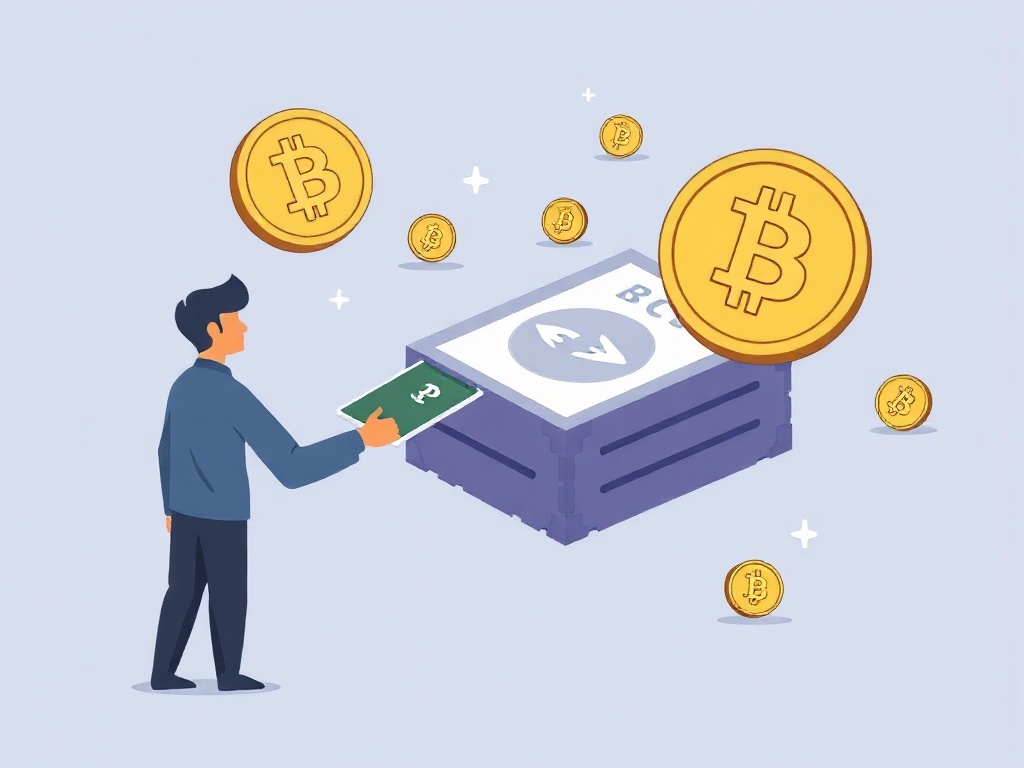
In an era where financial privacy is increasingly under threat, untraceable LTC payments have become a critical concern for privacy-conscious cryptocurrency users. Litecoin (LTC), often referred to as the "silver to Bitcoin's gold," offers faster transaction times and lower fees, making it a popular choice for everyday transactions. However, the public nature of blockchain transactions means that every LTC transfer is visible on the blockchain, potentially exposing sensitive financial data to prying eyes.
This comprehensive guide explores the best methods, tools, and strategies for achieving untraceable LTC payments in 2024. Whether you're a seasoned crypto enthusiast or a newcomer looking to protect your financial privacy, this article will provide actionable insights to help you send Litecoin anonymously and securely.
---Why Privacy Matters in Litecoin Transactions
Before diving into the methods for achieving untraceable LTC payments, it's essential to understand why financial privacy is so important in the first place. Many users assume that cryptocurrency transactions are inherently private, but this is a common misconception.
The Myth of Anonymity in Cryptocurrency
Litecoin, like Bitcoin, operates on a public blockchain where all transactions are recorded and visible to anyone with internet access. While LTC addresses do not directly reveal your identity, they can often be linked to real-world identities through various means, such as:
- Address reuse: Using the same LTC address multiple times makes it easier for third parties to track your transaction history.
- IP address tracking: Nodes in the Litecoin network can log the IP addresses associated with transaction broadcasts, potentially linking them to your identity.
- Exchange and wallet providers: Many exchanges and wallet services require KYC (Know Your Customer) verification, which ties your identity to your LTC addresses.
- Blockchain analysis tools: Companies like Chainalysis and CipherTrace specialize in tracking cryptocurrency transactions, making it possible to deanonymize users even without direct exposure of personal data.
Given these risks, achieving untraceable LTC payments is not just about convenience—it's about safeguarding your financial freedom and protecting yourself from surveillance, censorship, or even theft.
Legal and Ethical Considerations
While financial privacy is a fundamental right, it's important to distinguish between legitimate privacy concerns and illicit activities. Untraceable LTC payments can be used for:
- Protecting against identity theft and fraud.
- Preserving financial autonomy in oppressive regimes.
- Avoiding unnecessary exposure to corporate or governmental surveillance.
- Conducting business discreetly without revealing sensitive financial details.
However, it's crucial to use these methods responsibly and within the bounds of the law. The goal is to enhance privacy, not to facilitate illegal activities such as money laundering or terrorism financing.
---Methods for Achieving Untraceable LTC Payments
There are several strategies and tools available for sending untraceable LTC payments. Each method has its own advantages and limitations, and the best approach often involves combining multiple techniques for maximum privacy. Below, we explore the most effective methods in detail.
1. Using Litecoin Mixers (Tumblers)
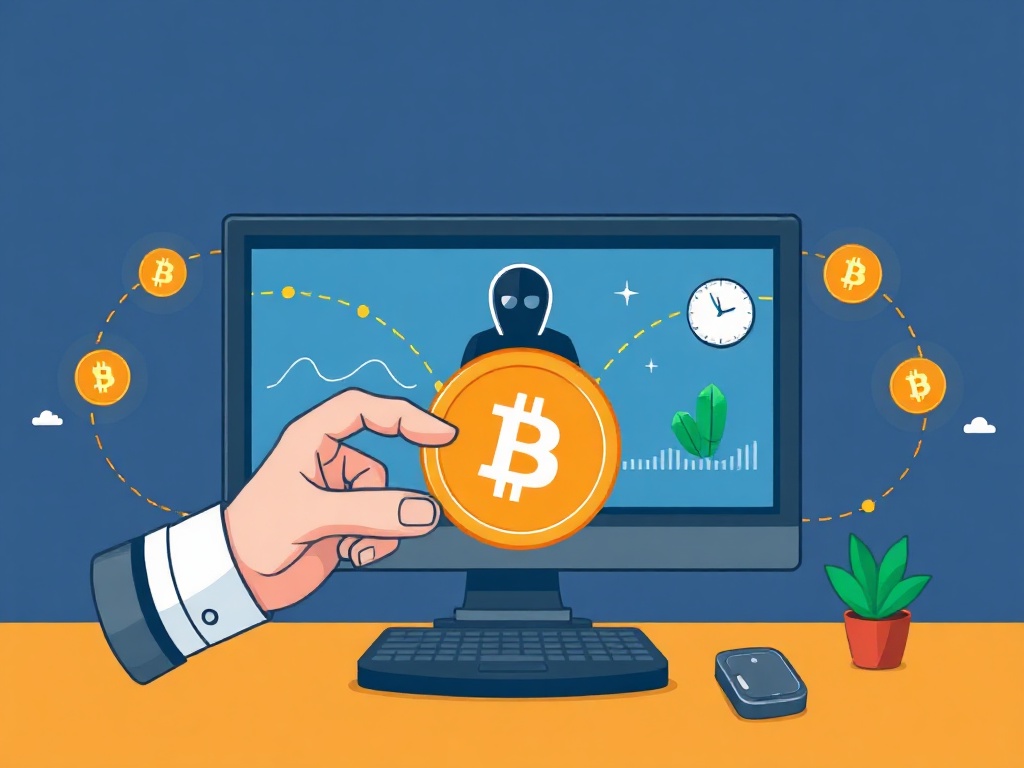
Litecoin mixers, also known as tumblers, are services designed to obfuscate the origin and destination of LTC transactions. These services work by pooling together multiple users' funds and redistributing them in a way that severs the link between the sender and receiver.
How Litecoin Mixers Work
A typical Litecoin mixer operates through the following steps:
- Deposit: You send your LTC to the mixer's address along with a unique "mixing code" or deposit address.
- Pooling: The mixer combines your funds with those of other users, breaking the direct link between your input and output addresses.
- Redistribution: After a set delay (to further obscure the transaction timeline), the mixer sends your LTC to the destination address you specify, minus a small fee.
- Anonymity Set: The larger the pool of users, the higher the "anonymity set," making it statistically harder to trace your funds.
Choosing a Reliable Litecoin Mixer
Not all mixers are created equal, and some may pose risks such as:
- Exit scams (where the mixer disappears with users' funds).
- Poorly implemented mixing algorithms that fail to provide true anonymity.
- Log retention policies that could expose your transaction history.
When selecting a Litecoin mixer for untraceable LTC payments, consider the following factors:
- Reputation: Look for mixers with a proven track record and positive user reviews. Community forums like Reddit and BitcoinTalk often discuss the reliability of different services.
- Fees: Mixers typically charge a fee (usually 1-3%) for their services. While low fees are attractive, extremely cheap mixers may be less reliable.
- Anonymity Set: The higher the number of users in the pool, the better the mixing. Some mixers allow you to specify the number of mixing rounds, which can increase the anonymity set.
- No-Logs Policy: Choose mixers that explicitly state they do not retain logs of transactions or user data.
- User Interface: A well-designed mixer should be easy to use, with clear instructions for depositing and withdrawing funds.
Some of the most reputable Litecoin mixers in 2024 include:
- BitcoinMix.org: A long-standing mixer with a strong reputation for reliability and user privacy.
- ChipMixer: A non-custodial mixer that allows users to control their mixing process entirely.
- Wasabi Wallet (for LTC): While primarily a Bitcoin wallet, Wasabi can also be used for Litecoin mixing through its CoinJoin feature.
- Sudoku Wallet: A privacy-focused wallet that supports Litecoin mixing through its built-in tumbling feature.
Step-by-Step Guide to Using a Litecoin Mixer
To send untraceable LTC payments using a mixer, follow these steps:
- Select a Mixer: Choose a reputable mixer based on the criteria above. Ensure you access the mixer through a secure connection (HTTPS) and consider using a VPN or Tor for additional privacy.
- Generate a Deposit Address: The mixer will provide you with a unique deposit address. Do not reuse this address for any other transactions.
- Send Your LTC: Transfer your LTC from your wallet to the mixer's deposit address. Include the mixing code or any additional information required by the mixer.
- Set Mixing Parameters: Specify the number of mixing rounds (if available) and the delay between mixing and withdrawal. More rounds and longer delays increase anonymity but may also increase fees.
- Provide a Destination Address: Enter the LTC address where you want the mixed funds to be sent. For maximum privacy, use a fresh address that has never been used before.
- Wait for Mixing: The mixer will process your transaction, combining it with other users' funds. This may take anywhere from a few minutes to several hours, depending on the mixer's policies.
- Withdraw Your Funds: Once the mixing is complete, the mixer will send your LTC to the destination address. Verify the transaction on a blockchain explorer to ensure it was processed correctly.
Limitations of Litecoin Mixers
While mixers are an effective tool for achieving untraceable LTC payments, they are not without limitations:
- Centralization Risk: Most mixers are centralized services, which means they could potentially be shut down or compromised by authorities.
- Transaction Fees: Mixers charge fees for their services, which can add up over time, especially for large transactions.
- Trust Assumption: You must trust that the mixer will not keep logs or steal your funds. Using non-custodial mixers can mitigate this risk.
- Blockchain Analysis: Advanced blockchain analysis tools may still be able to trace mixed transactions if the mixer's algorithm is weak or if the anonymity set is too small.
2. Using Privacy-Focused Wallets
Another effective way to send untraceable LTC payments is by using privacy-focused wallets that incorporate built-in mixing or CoinJoin features. These wallets are designed with user privacy in mind and often include additional security measures to protect your funds.
Top Privacy-Focused Litecoin Wallets
Here are some of the best wallets for achieving untraceable LTC payments:
- Wasabi Wallet: While primarily designed for Bitcoin, Wasabi Wallet supports Litecoin through its CoinJoin feature, which allows users to mix their LTC with others in a decentralized manner.
- Samourai Wallet: Another Bitcoin-focused wallet, Samourai offers a feature called "Stonewall" that can be used to obfuscate Litecoin transactions.
- Electrum-LTC (with CoinJoin plugins): The Electrum-LTC wallet can be extended with plugins like "CoinJoin" to enable mixing functionality.
- Sparrow Wallet: A privacy-focused wallet that supports Litecoin and offers CoinJoin features for enhanced anonymity.
- Edge Wallet: A mobile wallet that supports Litecoin and includes built-in privacy features such as automatic CoinJoin mixing.
How CoinJoin Works in Privacy Wallets
CoinJoin is a privacy technique that combines multiple transactions from different users into a single transaction. This makes it difficult to determine which input address corresponds to which output address, thereby enhancing the privacy of untraceable LTC payments.
The process typically involves the following steps:
- Initiate CoinJoin: Select the CoinJoin feature in your wallet and specify the amount of LTC you want to mix.
- Wait for Participants: The wallet will wait until enough other users have joined the CoinJoin session to form a sufficiently large anonymity set.
- Combine Transactions: The wallet combines your transaction with those of other participants, creating a single transaction with multiple inputs and outputs.
- Broadcast Transaction: The combined transaction is broadcast to the Litecoin network, making it difficult to trace the origin of your funds.
Advantages of Using Privacy Wallets
Privacy-focused wallets offer several benefits for users seeking untraceable LTC payments:
- Decentralization: Unlike mixers, CoinJoin is a decentralized process, meaning no single entity controls the mixing process.
- No Additional Fees: While you may pay a small fee for the CoinJoin transaction, there are no additional fees charged by a third-party service.
- User Control: You retain full control over your funds throughout the mixing process, reducing the risk of theft or fraud.
- Integration with Other Features: Privacy wallets often include additional features such as Tor support, coin control, and stealth addresses, further enhancing your privacy.
Limitations of Privacy Wallets
While privacy wallets are a powerful tool, they also have some limitations:
- Limited Liquidity: CoinJoin requires a sufficient number of participants to be effective. If there are not enough users, the mixing process may take longer or fail entirely.
- Transaction Size: CoinJoin transactions can be larger than standard transactions, which may result in higher fees.
- Wallet Compatibility: Not all wallets support CoinJoin, and some may require additional setup or plugins to enable the feature.
3. Using Stealth Addresses
Stealth addresses are another powerful tool for achieving untraceable LTC payments. A stealth address is a one-time-use address generated for each transaction, making it difficult for third parties to link transactions to your identity.
How Stealth Addresses Work
Stealth addresses rely on a cryptographic technique called "Diffie-Hellman key exchange" to generate unique addresses for each transaction. Here's how it works:
- Sender Generates a Stealth Address: The sender uses the recipient's public key to generate a unique one-time address for the transaction.
- Transaction is Sent to the Stealth Address: The sender transfers LTC to the stealth address, which is only accessible by the recipient's private key.
- Recipient Scans the Blockchain: The recipient uses their private key to scan the blockchain for transactions sent to their stealth addresses and claims the funds.
This process ensures that each transaction is linked to a unique address, making it nearly impossible for third parties to trace the flow of funds.
Wallets That Support Stealth Addresses
While stealth addresses are not natively supported by most Litecoin wallets, some privacy-focused wallets and services offer this feature:
- Monero (XMR) Wallets: Although Monero is a different cryptocurrency, its stealth address technology can inspire Litecoin privacy solutions.
- Wasabi Wallet: Wasabi Wallet supports stealth addresses for Bitcoin, and similar functionality may be available for Litecoin through plugins or future updates.
- Third-Party Services: Some third-party services, such as Stealth.LTC, offer tools for generating and using stealth addresses with Litecoin.
Limitations of Stealth Addresses
While stealth addresses are a powerful privacy tool, they also have some limitations:
- Adoption: Stealth addresses are not widely supported by Litecoin wallets, which limits their practical use for most users.
- Complexity: Generating and using stealth addresses requires a basic understanding of cryptographic concepts, which may be intimidating for newcomers.
- Compatibility: Not all exchanges and services support stealth addresses, which may limit your ability to use them for everyday transactions.
4. Using VPNs and Tor for Enhanced Privacy
Even if you use a mixer or privacy wallet, your IP address can still be used to link your transactions to your identity. To further enhance your privacy, consider using a VPN or Tor when sending untraceable LTC payments.
Using a VPN for Litecoin Transactions
A VPN (Virtual Private Network) encrypts your internet traffic and routes it through a server in a different location, masking your IP address. This can help prevent third parties from linking your transactions to your real-world identity.
When choosing a VPN for Litecoin transactions, look for the following features:
- No-Logs Policy: Ensure the VPN provider does not retain logs of your internet activity.
- Strong Encryption: Look for VPNs that use AES-256 encryption or similar protocols.
- Kill Switch: A kill switch automatically disconnects your internet connection if the VPN connection drops, preventing accidental exposure of your IP address.
- Server Locations: Choose a VPN with servers in privacy-friendly jurisdictions (e.g., Switzerland, Panama, or the British Virgin Islands).
Some reputable VPN providers for Litecoin transactions include:
- ProtonVPN: A privacy-focused VPN with a strong no-logs policy and servers in privacy-friendly jurisdictions.
- NordVPN: A well-known VPN provider with a large server network and strong encryption.
- Mullvad: A privacy-focused VPN that allows users to pay with cryptocurrency and does not require personal information for sign-up.
- AirVPN: A VPN provider that supports cryptocurrency payments and has
 David ChenDigital Assets Strategist
The Future of Privacy in Digital Payments: Evaluating Untraceable LTC Payments
As a digital assets strategist with a background in traditional finance and cryptocurrency markets, I’ve observed that privacy remains one of the most contentious yet critical aspects of digital payments. Litecoin (LTC), often overshadowed by Bitcoin’s dominance, has quietly evolved into a viable alternative for users seeking faster transactions and lower fees. However, the concept of untraceable LTC payments introduces a new layer of complexity—one that challenges both regulatory frameworks and user expectations. While LTC’s Mimblewimble Extension Block (MWEB) protocol has made strides in enhancing transaction privacy, true untraceability remains elusive. From a quantitative perspective, the trade-offs between privacy, scalability, and compliance cannot be ignored, particularly for institutional or high-net-worth users who prioritize discretion without sacrificing liquidity.
Practically speaking, the adoption of untraceable LTC payments hinges on several factors, including wallet infrastructure, merchant acceptance, and regulatory clarity. Tools like the Litecoin Core wallet with MWEB support or third-party privacy solutions such as Wasabi Wallet (for LTC) can obscure transaction trails, but they are not foolproof. Regulators, particularly in jurisdictions like the EU and U.S., are increasingly scrutinizing privacy-enhancing technologies, which could limit their mainstream viability. For investors and businesses, the key lies in balancing privacy with transparency—leveraging LTC’s strengths while mitigating risks through selective disclosure or hybrid payment models. Ultimately, untraceable LTC payments may carve a niche for specific use cases, but widespread adoption will require a delicate equilibrium between innovation and compliance.