USDT to Monero Exchange: A Comprehensive Guide for Privacy‑Focused Crypto Traders
1. Understanding the Basics: What Is USDT and What Is Monero?
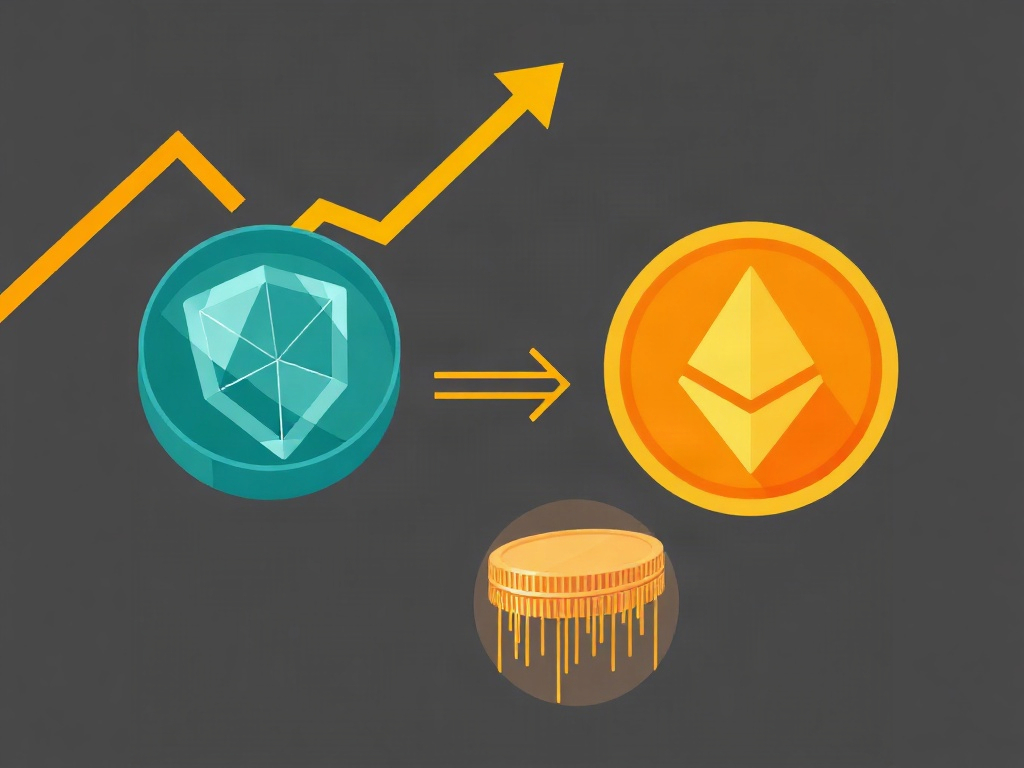
Before diving into the mechanics of a usdt to monero exchange, it is essential to grasp the fundamentals of the two assets involved. USDT, or Tether, is a stablecoin pegged to the U.S. dollar, designed to provide a low‑volatility bridge between fiat currencies and the volatile world of cryptocurrencies. Monero (XMR), on the other hand, is a privacy‑oriented cryptocurrency that emphasizes anonymity, fungibility, and untraceability.
1.1 The Role of USDT in the Crypto Ecosystem
- Stability – USDT maintains a 1:1 ratio with the U.S. dollar, making it a reliable store of value.
- Liquidity – It is one of the most traded tokens on exchanges, ensuring quick conversions.
- Gateway – Many traders use USDT as a stepping stone to enter or exit other crypto positions without converting back to fiat.
1.2 Why Monero Is a Preferred Choice for Privacy‑Conscious Users
- Ring Signatures – Hide the sender’s address among a group of possible signers.
- Stealth Addresses – Generate a unique one‑time address for each transaction.
- Confidential Transactions – Obscure the transaction amount, preventing external observers from seeing how much XMR is transferred.
2. Why Convert USDT to Monero? Key Motivations for Traders
Converting USDT to Monero is not merely a technical exercise; it reflects strategic decisions driven by market conditions, regulatory concerns, and personal privacy preferences. Below are the most common reasons traders choose to perform a usdt to monero exchange.
2.1 Protecting Against Fiat Volatility
While USDT is pegged to the dollar, the underlying fiat currency can still be subject to inflation, devaluation, or sudden regulatory crackdowns. By moving funds into Monero, traders can shield themselves from these macroeconomic risks.
2.2 Enhancing Transaction Privacy
USDT transactions are recorded on the Ethereum or Tron blockchains, which are publicly viewable. If a user wishes to keep their financial activity confidential, converting to Monero provides a layer of anonymity that is difficult to trace.
2.3 Diversifying Asset Exposure
Monero’s price dynamics differ from those of stablecoins. By allocating a portion of a portfolio to XMR, traders can potentially benefit from price appreciation while maintaining a hedge against fiat currency fluctuations.
2.4 Preparing for Regulatory Uncertainty
In jurisdictions where cryptocurrency usage is heavily monitored or restricted, holding a privacy coin like Monero can reduce the risk of regulatory scrutiny. A usdt to monero exchange may therefore be a strategic move to safeguard assets.
3. How to Perform a USDT to Monero Exchange: Step‑by‑Step Process
Executing a usdt to monero exchange involves several stages, from selecting a platform to confirming the transaction. The following guide walks you through each step in detail.
3.1 Choosing the Right Exchange or OTC Desk
- Research Reputation – Look for platforms with a proven track record of security and user satisfaction.
- Check Liquidity – High liquidity ensures minimal slippage during large trades.
- Review Fees – Compare trading fees, withdrawal fees, and any hidden costs.
- Assess Security Features – Two‑factor authentication (2FA), cold storage, and insurance coverage are critical.
3.2 Setting Up Your Wallets
Before initiating the exchange, you must have a secure wallet for both USDT and Monero.
- USDT Wallet – A hardware wallet (e.g., Ledger Nano X) or a reputable software wallet that supports ERC‑20 or TRC‑20 tokens.
- Monero Wallet – The official Monero GUI wallet or a hardware wallet that supports XMR.
3.3 Transferring USDT to the Exchange
Send your USDT from your personal wallet to the exchange’s deposit address. Verify the address carefully to avoid loss of funds.
3.4 Executing the Trade
Once the USDT is confirmed, place a market or limit order to buy Monero. A market order executes immediately at the current price, while a limit order allows you to set a target price.
3.5 Withdrawing Monero to Your Wallet
After the trade completes, withdraw the XMR to your secure wallet. Ensure you use a new, unused address to maintain privacy.
3.6 Confirming the Transaction
Use a Monero block explorer (e.g., xmrchain.net) to verify that the withdrawal has been processed and the funds have arrived.
4. Selecting the Best Platform for USDT to Monero Exchange
Choosing the right platform is pivotal for a smooth and secure usdt to monero exchange. Below are key criteria to evaluate.
4.1 Centralized Exchanges (CEX)
- Pros – High liquidity, user-friendly interfaces, and fast execution.
- Cons – Custodial risk, potential regulatory scrutiny, and limited privacy.
4.2 Decentralized Exchanges (DEX)
- Pros – Non‑custodial, higher privacy, and resistance to censorship.
- Cons – Lower liquidity, higher slippage, and more complex user experience.
4.3 Over‑The‑Counter (OTC) Desks
- Pros – Ideal for large trades, reduced slippage, and personalized support.
- Cons – Requires trust in the desk operator and may involve higher fees.
4.4 Hybrid Solutions
Some platforms combine CEX and DEX features, offering a balance between liquidity and privacy. Evaluate each option based on your specific needs.
5. Security and Privacy Considerations
When conducting a usdt to monero exchange, security and privacy should be top priorities. Below are best practices to protect your assets.
5.1 Use Hardware Wallets
Hardware wallets store private keys offline, reducing the risk of hacking. Store both USDT and Monero on separate devices if possible.
5.2 Enable Two‑Factor Authentication
Activate 2FA on all accounts involved in the exchange to add an extra layer of protection against unauthorized access.
5.3 Verify Addresses Carefully
Always double‑check wallet addresses before sending funds. A single typo can result in permanent loss.
5.4 Monitor Transaction Fees
Monero’s network fees can fluctuate. Use fee estimation tools to choose the optimal fee that balances speed and cost.
5.5 Keep Software Updated
Regularly update wallets and exchange apps to patch security vulnerabilities.
6. Common Pitfalls and How to Avoid Them
Even experienced traders can fall into traps when performing a usdt to monero exchange. Awareness of these pitfalls can save time, money, and peace of mind.
6.1 Ignoring Slippage
Large orders on low‑liquidity markets can suffer significant slippage, resulting in a worse exchange rate. Use limit orders or split large trades into smaller chunks.
6.2 Overlooking Withdrawal Limits
Some exchanges impose daily withdrawal limits. Plan your trades accordingly to avoid delays.
6.3 Neglecting Regulatory Compliance
Ensure that your transactions comply with local regulations. In some jurisdictions, large transfers of Monero may trigger reporting requirements.
6.4 Relying on a Single Platform
Diversify your trading venues to mitigate platform‑specific risks such as downtime or security breaches.
6.5 Forgetting to Revoke Permissions
After completing a trade, revoke any third‑party permissions granted to smart contracts or DEX interfaces to prevent unauthorized access.
7. Conclusion: Making the Most of Your USDT to Monero Exchange
Converting USDT to Monero is a powerful strategy for traders seeking stability, privacy, and diversification. By understanding the underlying assets, selecting the right platform, and adhering to robust security practices, you can execute a usdt to monero exchange that aligns with your financial goals and risk tolerance.
Remember that the cryptocurrency landscape evolves rapidly. Stay informed about market trends, regulatory changes, and technological advancements to maintain a competitive edge. With careful planning and diligent execution, your USDT to Monero exchange can become a cornerstone of a resilient, privacy‑centric crypto portfolio.

Optimizing USDT to Monero Exchange: A Quantitative Approach
As a quantitative analyst with a deep background in both traditional finance and cryptocurrency markets, I view the USDT to Monero exchange not merely as a conversion but as a strategic portfolio rebalancing decision. Monero’s privacy features and its relatively low correlation with mainstream assets make it an attractive hedge, yet the volatility of the stablecoin and the liquidity constraints of privacy coins demand a disciplined, data‑driven methodology. By treating the exchange as a microstructure problem, I can quantify the trade‑off between execution speed, slippage, and cost, ensuring that the conversion aligns with the broader risk‑adjusted return objectives of the portfolio.
In practice, the first step is to benchmark the order book depth on reputable decentralized exchanges (DEXs) and centralized platforms that support USDT/Monero pairs. On DEXs, I employ on‑chain analytics to estimate the impact of a given order size on the price curve, using the constant‑product formula to model slippage. For larger volumes, I recommend a split‑order strategy: execute a portion on a high‑liquidity DEX to capture the best price, and the remainder on a centralized exchange where the fee structure is more favorable for large trades. Additionally, monitoring the spread between the best bid and ask across multiple venues allows me to identify arbitrage opportunities that can offset the inherent cost of converting a stablecoin into a privacy coin.
Risk management is paramount. I incorporate a volatility‑scaled position sizing rule that limits the exposure to Monero to no more than 5% of the portfolio’s total value, adjusted for the current market regime. Regulatory considerations also play a role; ensuring that the chosen exchange complies with KYC/AML requirements mitigates the risk of future sanctions or asset freezes. Looking ahead, the maturation of layer‑2 solutions and the potential for increased institutional adoption of privacy coins suggest that the liquidity of USDT to Monero pairs will improve, reducing both slippage and cost. Until then, a rigorous, data‑centric approach remains the best path to achieving optimal outcomes in this niche yet strategically significant conversion.