Mastering Multichain Wallet Linking: A Complete Guide for Secure Crypto Management
Mastering Multichain Wallet Linking: A Complete Guide for Secure Crypto Management
In the rapidly evolving world of cryptocurrency, multichain wallet linking has emerged as a critical feature for users seeking seamless, secure, and efficient management of digital assets across multiple blockchains. Whether you're a seasoned trader, a DeFi enthusiast, or a privacy-focused investor, understanding how to link your wallet across different chains can significantly enhance your crypto experience.
This comprehensive guide explores the ins and outs of multichain wallet linking, covering its benefits, methods, security considerations, and best practices. By the end of this article, you'll have a clear understanding of how to leverage this technology to optimize your crypto operations while maintaining robust security.
Understanding Multichain Wallet Linking: The Basics
What Is a Multichain Wallet?
A multichain wallet is a digital wallet that supports multiple blockchain networks, allowing users to store, send, and receive cryptocurrencies across different chains from a single interface. Unlike single-chain wallets that are limited to one blockchain (e.g., Bitcoin or Ethereum), multichain wallets provide flexibility and convenience by integrating support for various networks such as Ethereum, Binance Smart Chain, Polygon, Solana, and more.
Why Multichain Wallet Linking Matters
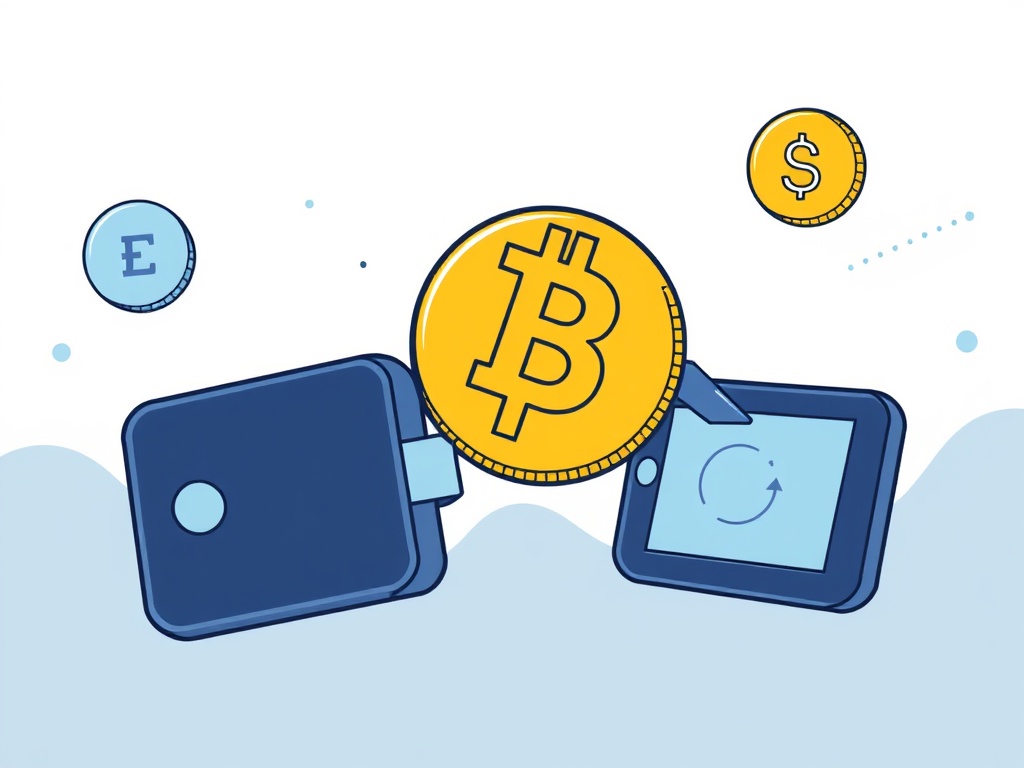
Multichain wallet linking takes this concept a step further by enabling users to connect their wallets to decentralized applications (dApps), exchanges, and other services across multiple chains. This linking process allows for:
- Cross-chain transactions: Transfer assets between different blockchains without needing separate wallets for each chain.
- Unified asset management: View and manage all your crypto holdings in one place, regardless of the underlying blockchain.
- Enhanced DeFi participation: Access decentralized finance protocols on various chains without switching wallets.
- Improved security: Reduce the risk of losing funds by consolidating your assets in a single, well-secured wallet.
The Evolution of Multichain Wallet Linking
The concept of multichain wallet linking has evolved alongside the growth of the crypto ecosystem. Initially, users had to manage separate wallets for each blockchain, which was cumbersome and prone to errors. The introduction of wallets like MetaMask, Trust Wallet, and Ledger Live revolutionized this space by offering multichain support. Today, advanced linking features allow users to interact with dApps, bridges, and exchanges seamlessly across chains.
How Multichain Wallet Linking Works: Technical Insights
The Role of Wallet Addresses in Multichain Linking
At the core of multichain wallet linking is the wallet address. Each blockchain has its own address format, but modern wallets use hierarchical deterministic (HD) wallets to generate addresses for multiple chains from a single seed phrase. This means that while your Bitcoin address differs from your Ethereum address, they are derived from the same master key, enabling unified management.
Cross-Chain Bridges and Their Importance
Cross-chain bridges play a pivotal role in multichain wallet linking by facilitating the transfer of assets between different blockchains. These bridges act as intermediaries, locking tokens on one chain and minting equivalent tokens on another. Popular bridges include:
- Polygon PoS Bridge: Connects Ethereum to Polygon for faster and cheaper transactions.
- Binance Bridge: Enables transfers between Binance Chain and Ethereum.
- Wormhole: A decentralized bridge supporting multiple chains like Solana, Ethereum, and Terra.
When you link your wallet to a bridge, you authorize the transfer of assets, and the bridge executes the transaction while maintaining security and transparency.
Smart Contracts and Wallet Linking
Many dApps and DeFi protocols require wallet linking to interact with smart contracts. For example, when you connect your wallet to Uniswap, you're essentially linking it to the Ethereum smart contract that powers the exchange. This linking process involves signing a message with your private key, which verifies your ownership of the wallet without exposing the key itself.
Wallet Aggregators and Multichain Support
Wallet aggregators like Zapper, Zerion, and DeBank simplify multichain wallet linking by providing a single interface to manage assets across multiple chains. These platforms automatically detect your linked wallets and display your portfolio in a unified dashboard, making it easier to track performance and execute trades.
Step-by-Step Guide to Linking Your Wallet Across Chains
Step 1: Choose a Multichain-Compatible Wallet
Not all wallets support multichain wallet linking. Popular options include:
- MetaMask: Supports Ethereum, Binance Smart Chain, Polygon, and more via custom RPC endpoints.
- Trust Wallet: A mobile wallet with built-in support for Ethereum, Binance Chain, Solana, and others.
- Ledger Live: Hardware wallet with multichain support for secure asset management.
- Exodus: Desktop and mobile wallet with support for over 100 cryptocurrencies across multiple chains.
Select a wallet that aligns with your needs, whether you prioritize security, ease of use, or specific chain support.
Step 2: Set Up Your Wallet for Multiple Chains
Once you've chosen a wallet, follow these steps to configure it for multichain wallet linking:
- Import or create a wallet: If you're new to crypto, create a new wallet. If you already have one, ensure you have your seed phrase or private key backed up.
- Add custom networks: For wallets like MetaMask, you may need to manually add networks. Go to the wallet's settings and add the RPC details for the chains you want to support (e.g., Ethereum Mainnet, Polygon, Arbitrum).
- Verify chain compatibility: Ensure the wallet supports the chains you intend to use. Some wallets may require extensions or third-party integrations for certain networks.
Step 3: Link Your Wallet to dApps and Services
Linking your wallet to dApps is straightforward but requires careful attention to security. Here's how to do it safely:
- Visit the dApp website: Navigate to the decentralized application you want to use (e.g., Uniswap, Aave, or PancakeSwap).
- Click "Connect Wallet": Most dApps have a prominent "Connect Wallet" button. Click it to initiate the linking process.
- Select your wallet: Choose the wallet you've configured for multichain support (e.g., MetaMask).
- Approve the connection: Your wallet will prompt you to approve the connection. Review the permissions carefully—some dApps may request access to your transaction history or balance.
- Switch chains if necessary: If the dApp operates on a different chain than your current wallet network, you may need to switch chains within your wallet settings.
Step 4: Use Cross-Chain Bridges for Asset Transfers
To transfer assets between chains, follow these steps:
- Select a bridge: Choose a reputable cross-chain bridge (e.g., Polygon Bridge, Binance Bridge, or Wormhole).
- Connect your wallet: Link your wallet to the bridge platform.
- Choose the source and destination chains: Select the blockchain you're transferring from and the one you're transferring to.
- Enter the amount and recipient address: Specify how much you want to transfer and where the funds should go. Ensure the recipient address is correct for the destination chain.
- Confirm the transaction: Review the details and confirm the transfer. The bridge will lock your tokens on the source chain and mint equivalent tokens on the destination chain.
- Wait for confirmation: Cross-chain transactions can take several minutes to hours, depending on the chains involved. Monitor the transaction status on a block explorer.
Step 5: Monitor and Manage Your Linked Wallets
Once your wallet is linked across multiple chains, use wallet aggregators or portfolio trackers to monitor your assets. Tools like DeBank, Koinly, or CoinTracker can provide a unified view of your holdings, transaction history, and performance across chains.
Security Best Practices for Multichain Wallet Linking
Protecting Your Seed Phrase and Private Keys
The most critical aspect of multichain wallet linking is securing your seed phrase and private keys. Since these wallets often control assets across multiple chains, a single breach can be catastrophic. Follow these security tips:
- Never share your seed phrase: Your seed phrase is the master key to all your wallets. Keep it offline and never enter it on any website or app.
- Use hardware wallets: For maximum security, consider using a hardware wallet like Ledger or Trezor. These devices store your private keys offline and require physical confirmation for transactions.
- Enable two-factor authentication (2FA): If your wallet or linked services support 2FA, enable it to add an extra layer of security.
- Use strong, unique passwords: Ensure your wallet and linked accounts have strong, unique passwords to prevent unauthorized access.
Recognizing and Avoiding Phishing Scams
Phishing scams are a common threat in the crypto space, especially when dealing with multichain wallet linking. Scammers often create fake dApps, wallets, or bridges to trick users into revealing their private keys or seed phrases. To stay safe:
- Verify URLs: Always double-check the URL of the website you're visiting. Look for HTTPS and ensure the domain is correct (e.g., "uniswap.org" not "uniswap.com.co").
- Use bookmarks: Save the URLs of trusted dApps and services in your browser bookmarks to avoid mistyping addresses.
- Check for official sources: Only download wallet extensions or apps from official websites or trusted app stores.
- Be wary of unsolicited messages: Never click on links or download attachments from unknown sources, even if they appear to be from a trusted contact.
Managing Permissions and Approvals
When linking your wallet to dApps or services, you may grant permissions that allow the dApp to interact with your wallet. These permissions can include:
- Spending allowances: Some dApps request permission to spend your tokens on your behalf (e.g., for staking or liquidity provision).
- Transaction signing: DApps may request permission to sign transactions for you.
To minimize risks:
- Review permissions carefully: Before approving any request, read the permission details. Revoke permissions you no longer need via your wallet settings.
- Use separate wallets for different purposes: Consider using one wallet for DeFi interactions and another for long-term storage to limit exposure.
- Revoke unused permissions: Regularly check and revoke permissions for dApps you no longer use. Most wallets provide a way to manage these in their settings.
Keeping Software and Firmware Updated
Outdated software or firmware can expose vulnerabilities in your wallet or linked services. To maintain security:
- Update your wallet regularly: Ensure your wallet app or extension is running the latest version.
- Update your device's operating system: Keep your computer or mobile device updated to protect against known vulnerabilities.
- Update firmware for hardware wallets: If you use a hardware wallet, regularly update its firmware to patch security flaws.
Common Challenges and Solutions in Multichain Wallet Linking
Chain Compatibility Issues
Not all wallets support every blockchain, and some dApps may only operate on specific chains. If you encounter compatibility issues:
- Check wallet documentation: Review the wallet's supported chains and network configurations.
- Use a wallet aggregator: Platforms like Zapper or DeBank can help you manage assets across multiple chains from a single interface.
- Consider a multi-wallet approach: If a single wallet doesn't support all the chains you need, use multiple wallets and link them to a portfolio tracker.
Transaction Failures and Delays
Cross-chain transactions can sometimes fail or experience delays due to network congestion, bridge issues, or incorrect configurations. To troubleshoot:
- Check transaction status: Use a block explorer (e.g., Etherscan for Ethereum, Polygonscan for Polygon) to verify the status of your transaction.
- Review bridge settings: Ensure you've selected the correct source and destination chains and entered accurate recipient addresses.
- Retry with a different bridge: If one bridge fails, try an alternative (e.g., if Polygon Bridge is slow, consider using Hop Protocol).
- Adjust gas fees: Higher gas fees can speed up transactions on networks like Ethereum. Use tools like Ethereum Gas Station to find optimal fee settings.
Gas Fee Management Across Chains
Gas fees vary significantly between blockchains, and managing them efficiently is crucial for cost-effective multichain wallet linking. Strategies include:
- Use Layer 2 solutions: Networks like Polygon, Arbitrum, and Optimism offer lower fees than Ethereum Mainnet.
- Batch transactions: Combine multiple transactions into one to reduce overall gas costs.
- Monitor gas price tools: Use tools like GasNow or ETH Gas Station to track gas prices and time your transactions accordingly.
- Consider alternative chains: If fees on one chain are prohibitively high, consider using a different chain for the same transaction (e.g., swap on PancakeSwap instead of Uniswap if Binance Smart Chain fees are lower).
Lost or Forgotten Wallet Access
Losing access to your wallet can be devastating, especially when it's linked across multiple chains. To prevent this:
- Backup your seed phrase: Write down your seed phrase and store it securely offline. Never store it digitally or in cloud storage.
- Use a hardware wallet: Hardware wallets provide an extra layer of security by storing your private keys offline.
- Enable wallet recovery options: Some wallets offer recovery features, such as social recovery or multi-signature setups.
- Test your backup: Periodically verify that your seed phrase works by restoring a small amount of funds to a test wallet.
Future Trends in Multichain Wallet Linking
The Rise of Interoperability Protocols
The future of multichain wallet linking is closely tied to the development of interoperability protocols. These protocols aim to create seamless connections between blockchains, reducing the need for bridges and simplifying cross-chain transactions. Key projects in this space include:
- Polkadot: A multi-chain network that enables interoperability between different blockchains through its relay chain and parachains.
- Cosmos: An ecosystem of interconnected blockchains using the Inter-Blockchain Communication (IBC) protocol.
- LayerZero: A protocol that enables cross-chain communication without the need for wrapped tokens or bridges.
As these protocols mature, multichain wallet linking will become even more streamlined, allowing users to interact with any blockchain from a single wallet.
Decentralized Identity and Wallet Linking
Decentralized identity (DID) solutions are poised to enhance multichain wallet linking by providing a secure and verifiable way to link wallets to real-world identities. Projects like Spruce ID
As a certified financial analyst with over a decade of experience in cryptocurrency investment strategies, I’ve seen firsthand how multichain wallet linking can revolutionize the way investors manage digital assets. The ability to seamlessly connect wallets across multiple blockchains not only streamlines operations but also enhances security by reducing the need to juggle multiple private keys. For retail and institutional investors alike, this approach minimizes operational friction while maintaining robust access controls. However, it’s critical to emphasize that not all wallet-linking solutions are created equal—security vulnerabilities in poorly designed systems can expose users to risks such as phishing attacks or unauthorized access. Investors must prioritize platforms with strong encryption, multi-factor authentication, and transparent audit trails to mitigate these risks effectively. From a practical standpoint, multichain wallet linking is particularly valuable for those managing diverse portfolios spanning Ethereum, Solana, Polygon, and other ecosystems. By consolidating access points, investors can execute cross-chain transactions more efficiently, track holdings in real time, and leverage decentralized finance (DeFi) opportunities without the hassle of manual transfers. That said, I always advise clients to conduct thorough due diligence on the underlying technology and the team behind it. A reputable provider should offer clear documentation, regular security updates, and a track record of reliability. Ultimately, while multichain wallet linking presents a compelling solution for modern crypto management, its success hinges on balancing convenience with stringent security measures—never compromising one for the other.
Optimizing Security and Efficiency with Multichain Wallet Linking