Understanding the BNB Chain Mixer: A Comprehensive Guide to Privacy and Security in Crypto Transactions
The BNB Chain mixer has emerged as a pivotal tool for users seeking enhanced privacy and anonymity in their cryptocurrency transactions. As decentralized finance (DeFi) continues to evolve, the need for secure and private transaction methods has become increasingly critical. This guide explores the intricacies of the BNB Chain mixer, its benefits, functionality, and how it compares to other privacy solutions in the crypto space.
Whether you're a seasoned crypto investor or a newcomer exploring privacy-focused tools, understanding the BNB Chain mixer can help you make informed decisions about safeguarding your financial activities. Below, we delve into the key aspects of this technology, its use cases, and best practices for implementation.
---The Role of Privacy in Cryptocurrency Transactions
Privacy has always been a cornerstone of cryptocurrency, with Bitcoin and other digital assets initially designed to offer pseudonymity. However, as blockchain analysis tools have advanced, the transparency of public ledgers has made it easier to trace transactions back to individuals. This is where tools like the BNB Chain mixer come into play.
Why Privacy Matters in Crypto
Privacy in cryptocurrency transactions is essential for several reasons:
- Financial Security: Protecting transaction history from malicious actors prevents targeted attacks, such as phishing or extortion.
- Regulatory Compliance: While privacy is crucial, it must also align with regulatory requirements to avoid legal complications.
- Personal Freedom: Users have the right to control their financial data without unnecessary exposure to third parties.
Challenges of Public Blockchains
Public blockchains like Ethereum and BNB Chain are transparent by design, meaning all transaction details are visible on-chain. This transparency, while beneficial for auditability, poses significant privacy risks. For example:
- Transaction patterns can reveal user identities through address clustering.
- Exchange withdrawals and deposits can be linked to specific wallets.
- Government agencies and private firms can track financial activities.
The BNB Chain mixer addresses these challenges by obfuscating transaction trails, making it difficult to trace funds from sender to receiver.
---What Is a BNB Chain Mixer?
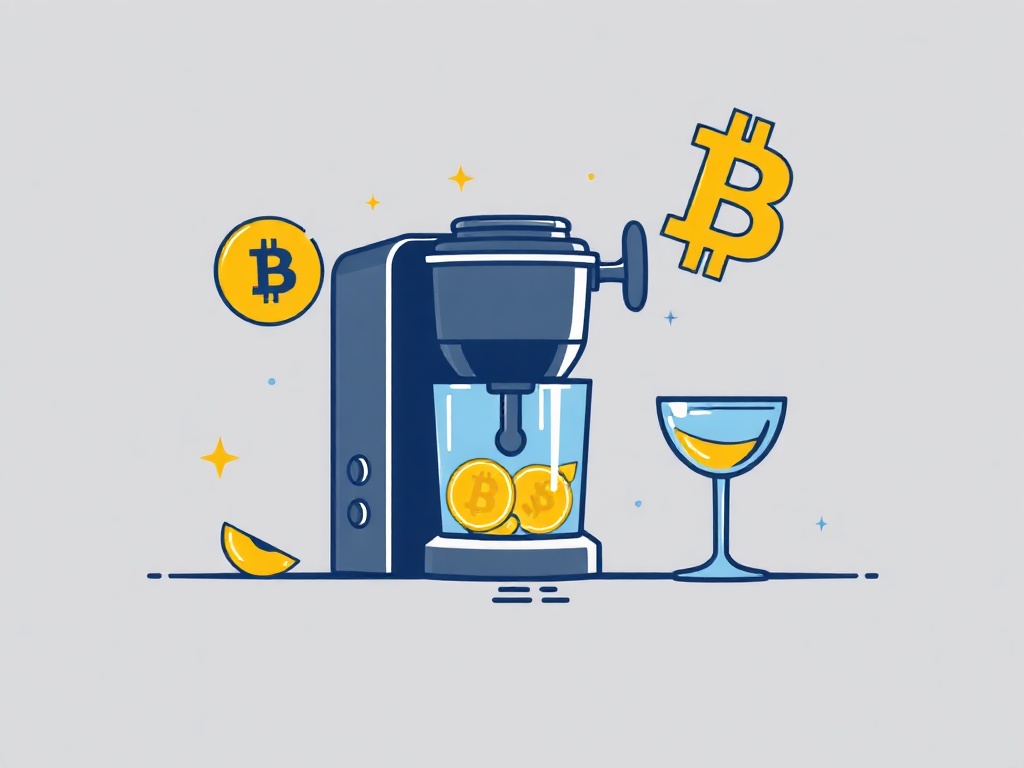
A BNB Chain mixer, also known as a tumbler or blender, is a service designed to enhance the privacy of cryptocurrency transactions. It works by pooling funds from multiple users and redistributing them in a way that severs the direct link between the original sender and the final recipient.
How a BNB Chain Mixer Works
The process typically involves the following steps:
- Deposit: Users send their BNB or other supported tokens to the mixer’s address.
- Pooling: The mixer combines these funds with those from other users, creating a large pool of mixed assets.
- Redistribution: The mixer then sends back an equivalent amount of tokens to the user’s designated address, but from a different source within the pool.
- Privacy Enhancement: The original transaction trail is obscured, making it nearly impossible to trace the funds back to the sender.
Types of BNB Chain Mixers
There are two primary types of mixers available for BNB Chain users:
- Centralized Mixers: Operated by a single entity, these mixers require users to trust the service provider. While convenient, they may pose risks such as fund loss or data breaches.
- Decentralized Mixers: Built on smart contracts, these mixers eliminate the need for a central authority. They offer greater transparency and security but may require more technical knowledge to use.
The BNB Chain mixer ecosystem includes both centralized and decentralized options, catering to different user preferences and security needs.
---Benefits of Using a BNB Chain Mixer
Incorporating a BNB Chain mixer into your transaction strategy offers several compelling advantages, particularly in terms of privacy, security, and flexibility.
Enhanced Privacy and Anonymity
The primary benefit of a BNB Chain mixer is the ability to break the on-chain link between your wallet address and your transactions. This is particularly valuable for:
- High-net-worth individuals who wish to keep their financial activities private.
- Businesses that need to protect sensitive transaction data from competitors.
- Users in jurisdictions with strict financial surveillance laws.
Protection Against Blockchain Analysis
Blockchain analysis firms use sophisticated algorithms to track cryptocurrency flows. A BNB Chain mixer disrupts these tracking mechanisms by:
- Mixing funds with those of other users, making it difficult to trace individual transactions.
- Introducing randomness in the redistribution process, further obfuscating transaction trails.
- Preventing address clustering, a common technique used to link wallets to identities.
Flexibility and Compatibility
The BNB Chain mixer supports a wide range of tokens, including BNB, BUSD, and other BEP-20 assets. This flexibility allows users to:
- Mix multiple tokens in a single transaction.
- Choose between different mixing pools based on liquidity and fees.
- Integrate the mixer with decentralized exchanges (DEXs) and DeFi protocols.
Cost-Effectiveness
Compared to traditional financial privacy tools, a BNB Chain mixer offers a cost-effective solution. Transaction fees on BNB Chain are typically lower than those on Ethereum, making it an affordable option for users seeking privacy without high costs.
---How to Use a BNB Chain Mixer: A Step-by-Step Guide
Using a BNB Chain mixer is a straightforward process, but it requires careful attention to detail to ensure optimal privacy and security. Below is a step-by-step guide to help you get started.
Step 1: Choose a Reputable BNB Chain Mixer
Not all mixers are created equal. When selecting a BNB Chain mixer, consider the following factors:
- Reputation: Look for mixers with positive user reviews and a proven track record.
- Security Features: Ensure the mixer uses encryption, multi-signature wallets, and other security measures.
- Fees: Compare fees across different mixers to find a cost-effective option.
- User Interface: A user-friendly interface simplifies the mixing process.
Popular options include Tornado Cash (decentralized), Wasabi Wallet (for Bitcoin but compatible with BNB Chain via bridges), and specialized BNB Chain mixers like BNB Blender.
Step 2: Prepare Your Wallet and Funds
Before using a BNB Chain mixer, ensure you have:
- A non-custodial wallet (e.g., MetaMask, Trust Wallet) with BNB or other supported tokens.
- A separate wallet address for receiving mixed funds to avoid linking your identity.
- Sufficient BNB for transaction fees (typically a few cents).
Step 3: Initiate the Mixing Process
Follow these steps to mix your tokens:
- Connect your wallet to the mixer’s platform.
- Select the token you wish to mix (e.g., BNB, BUSD).
- Enter the amount you want to mix and the destination address for the mixed funds.
- Choose the mixing pool size (smaller pools offer higher privacy but may have lower liquidity).
- Confirm the transaction and pay the required fees.
Step 4: Wait for the Mixing Process to Complete
The time it takes for the BNB Chain mixer to process your transaction depends on network congestion and the mixer’s settings. Typically, the process takes:
- 5-30 minutes: For smaller mixing pools.
- 1-2 hours: For larger pools with higher liquidity.
During this time, avoid transferring funds to or from your wallet to prevent linking your transactions.
Step 5: Receive Your Mixed Funds
Once the mixing process is complete, the BNB Chain mixer will send the equivalent amount of tokens to your designated address. To maximize privacy:
- Use a new wallet address for receiving mixed funds.
- Avoid reusing the same address for multiple transactions.
- Consider splitting large transactions into smaller amounts to further obscure your transaction history.
Security Considerations When Using a BNB Chain Mixer
While a BNB Chain mixer enhances privacy, it’s essential to be aware of potential risks and best practices to ensure your funds remain secure.
Risks Associated with Mixers
Despite their benefits, mixers are not without risks. Common concerns include:
- Centralized Mixer Risks: If the mixer is operated by a single entity, there’s a risk of fund theft, exit scams, or data leaks.
- Smart Contract Vulnerabilities: Decentralized mixers rely on smart contracts, which may contain bugs or exploits.
- Regulatory Scrutiny: Some jurisdictions have banned or restricted the use of mixers, which could pose legal risks for users.
- Transaction Linking: If not used correctly, mixed transactions can still be linked through timing analysis or other techniques.
Best Practices for Safe Mixing
To mitigate risks when using a BNB Chain mixer, follow these best practices:
- Use Reputable Mixers: Stick to well-known mixers with transparent operations and strong security measures.
- Enable Two-Factor Authentication (2FA): If the mixer supports it, enable 2FA to add an extra layer of security.
- Split Transactions: Divide large transactions into smaller amounts to reduce the chances of detection.
- Use Fresh Addresses: Always use a new wallet address for receiving mixed funds to avoid address reuse.
- Monitor Network Fees: High gas fees can delay transactions, so plan accordingly.
- Stay Updated: Keep abreast of regulatory changes and mixer updates to avoid compliance issues.
Legal and Ethical Considerations
While privacy is a fundamental right, it’s important to use a BNB Chain mixer responsibly. Avoid using mixers for:
- Money laundering or illicit activities.
- Circumventing legal financial reporting requirements.
- Funding illegal operations.
Always ensure your use of a BNB Chain mixer complies with local laws and regulations.
---BNB Chain Mixer vs. Other Privacy Solutions
The BNB Chain mixer is just one of many privacy-enhancing tools available in the crypto space. To help you make an informed decision, let’s compare it to other popular privacy solutions.
BNB Chain Mixer vs. CoinJoin
CoinJoin is a privacy technique popularized by Bitcoin mixers like Wasabi Wallet. While both CoinJoin and the BNB Chain mixer aim to obfuscate transaction trails, there are key differences:
- Blockchain Compatibility: CoinJoin is primarily used on Bitcoin, while the BNB Chain mixer is designed for BNB Chain and BEP-20 tokens.
- Centralization: CoinJoin can be decentralized (e.g., Wasabi Wallet) or centralized (e.g., JoinMarket), similar to the BNB Chain mixer options.
- Transaction Fees: BNB Chain typically has lower transaction fees than Bitcoin, making the BNB Chain mixer more cost-effective.
BNB Chain Mixer vs. Monero (XMR)
Monero is a privacy-focused cryptocurrency that uses ring signatures and stealth addresses to obscure transaction details. Here’s how it compares to the BNB Chain mixer:
- Native Privacy: Monero offers built-in privacy, while the BNB Chain mixer requires an additional step to achieve similar results.
- Adoption: Monero is widely accepted, but the BNB Chain mixer provides flexibility for users who prefer to keep their existing assets (e.g., BNB) private.
- Regulatory Status: Monero has faced regulatory scrutiny, while the BNB Chain mixer operates within the broader BNB Chain ecosystem.
BNB Chain Mixer vs. zk-SNARKs (e.g., Tornado Cash)
zk-SNARKs are zero-knowledge proofs used by protocols like Tornado Cash to enable private transactions. The BNB Chain mixer and zk-SNARKs-based solutions share similarities but also have distinct differences:
- Technology: zk-SNARKs provide advanced cryptographic privacy, while the BNB Chain mixer relies on pooling and redistribution.
- Decentralization: Tornado Cash is decentralized, while some BNB Chain mixers may be centralized.
- Token Support: The BNB Chain mixer supports BNB and BEP-20 tokens, while zk-SNARKs solutions like Tornado Cash primarily support Ethereum-based assets.
Ultimately, the choice between these privacy solutions depends on your specific needs, such as the assets you hold, your preferred level of decentralization, and your budget.
---Future of BNB Chain Mixers: Trends and Developments
The landscape of BNB Chain mixers is rapidly evolving, driven by advancements in blockchain technology, regulatory changes, and user demand for greater privacy. Here’s a look at the future trends and developments in this space.
Integration with DeFi and NFTs
As decentralized finance (DeFi) and non-fungible tokens (NFTs) continue to grow, the demand for privacy tools like the BNB Chain mixer will increase. Future developments may include:
- DeFi Privacy Pools: Mixers integrated with DeFi protocols to enable private lending, borrowing, and trading.
- NFT Privacy Features: Tools to obscure the transaction history of NFTs, protecting the privacy of collectors and creators.
- Cross-Chain Mixing: Solutions that enable privacy across multiple blockchains, including BNB Chain, Ethereum, and others.
Regulatory Compliance and Privacy
The tension between privacy and regulatory compliance will shape the future of BNB Chain mixers. Expect to see:
- Compliant Mixers: Services that balance privacy with Know Your Customer (KYC) and Anti-Money Laundering (AML) requirements.
- Decentralized Identity Solutions: Integration with decentralized identity protocols to verify users without compromising their privacy.
- Regulatory Clarity: Governments may introduce clearer guidelines on the use of mixers, impacting their adoption.
Technological Advancements
Innovations in cryptography and blockchain technology will drive the next generation of BNB Chain mixers. Key developments may include:
- Improved Smart Contracts: More secure and efficient mixing algorithms to reduce transaction costs and enhance privacy.
- Layer 2 Solutions: Integration with Layer 2 scaling solutions like BNB Smart Chain’s opBNB to improve transaction speed and reduce fees.
 Sarah MitchellBlockchain Research Director
Evaluating the BNB Chain Mixer: Privacy, Security, and Practical Implications
As the Blockchain Research Director at a leading fintech consultancy, I’ve closely examined the BNB Chain mixer’s architecture and its role in the broader DeFi ecosystem. The BNB Chain mixer, designed to enhance transactional privacy by obfuscating fund flows, presents a compelling solution for users seeking confidentiality without sacrificing speed or cost-efficiency. Unlike traditional mixers that rely on centralized intermediaries, this protocol leverages smart contracts and zero-knowledge proofs (ZKPs) to ensure decentralized and trustless operations. From a technical standpoint, its integration with BNB Smart Chain’s high throughput and low fees makes it particularly attractive for retail and institutional users alike. However, the reliance on cryptographic assumptions—such as the security of ZKP implementations—demands rigorous auditing to mitigate risks like proof malleability or front-running attacks.
From a practical perspective, the BNB Chain mixer’s adoption hinges on its ability to balance privacy with regulatory compliance. While privacy-enhancing tools are often scrutinized for their potential misuse in illicit activities, the mixer’s design includes optional compliance features, such as KYC integration for withdrawals, which could address concerns from financial authorities. For developers, the protocol’s modularity and compatibility with existing BNB Chain infrastructure offer a low-barrier entry point for integration into dApps. Yet, the long-term viability of such mixers will depend on their adaptability to evolving regulatory landscapes and the community’s trust in their security guarantees. As a researcher, I recommend that users and developers alike conduct thorough due diligence, including third-party audits and stress-testing, before relying on the BNB Chain mixer for sensitive transactions.